
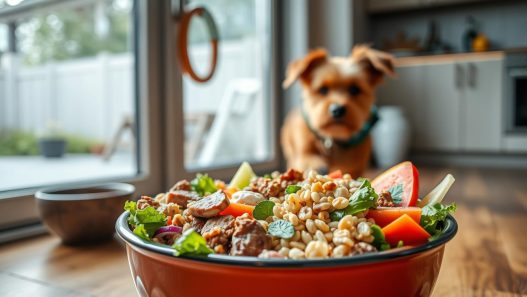



Many pet parents experience the common frustration of watching their furry friends sniff at their food and walk away. This behavior can leave them worried about their pet’s health and appetite. Fortunately, this guide aims to help you understand why some dogs become selective eaters and how to create meals that even the fussiest can enjoy.
With the right combination of food choices, feeding routines, and environmental adjustments, most picky eating habits can be addressed. From identifying potential medical causes to selecting appealing foods, this article will cover everything you need to know. We will also explore using toppers like bone broth and establishing consistent feeding schedules.
With patience and effective strategies, any pet parent can assist their picky dog in developing healthier eating habits. This guide draws on expert advice from veterinarians and experienced pet owners who have successfully tackled similar challenges. Remember, every dog is unique, so the solutions presented here will help you find what works best for your individual pet.
Join us as we explore the flavor fix that can transform mealtime from a struggle into a joyful experience for both you and your furry friend!
Key Takeaways
- Understanding the reasons behind picky eating can help in addressing the issue.
- Food choices and feeding routines play a crucial role in a pet’s appetite.
- Incorporating toppers like bone broth can make meals more appealing.
- Consistency in feeding schedules is important for developing healthy habits.
- Every pet is unique, so multiple options should be explored.
Understanding Why Dogs Become Picky Eaters
The sight of a dog walking away from their bowl can leave pet parents feeling anxious about their eating habits. Understanding the reasons behind this behavior is essential in addressing it effectively. Dogs can develop picky habits for various reasons, often linked to their routine, diet, or health.
Common Reasons for Selective Eating
One of the most common causes of selective eating is boredom. Eating the same meal day after day can lead to disinterest. Just like us, dogs appreciate variety in taste and texture.
Another factor is overindulgence in treats or table scraps. When dogs are given too many tasty options, they may hold out for something more exciting instead of eating their regular meals.
Texture and flavor preferences also play a significant role. Some dogs prefer the soft, rich consistency of canned food, while others enjoy the satisfying crunch of dry kibble.
Behavioral Factors Influencing Appetite
Flavor fatigue can occur when a dog eats the same protein source, like chicken, for months. This can lead to disinterest at mealtime. Additionally, food is a primary reinforcer for dogs, meaning they are biologically programmed to want and need food. Picky eating often signals an underlying issue rather than mere stubbornness.
Some dogs develop aversions to certain foods after negative experiences, such as digestive upset from specific ingredients. Environmental factors like stress or changes in the household can also temporarily decrease a dog’s appetite.
The Role of Food Preferences and Sensitivities
Learned behavior plays a significant role in picky eating. When pet parents offer tastier options after a refused meal, dogs quickly learn that holding out leads to better food. Age-related changes, including teething in puppies or dental discomfort in senior dogs, can also make eating painful and contribute to apparent pickiness.
Understanding the root cause of picky eating is the first step toward creating a solution that works for both the dog and the pet parent. By addressing these factors, you can help your furry friend develop healthier eating habits.
Identifying Medical and Behavioral Causes Behind Picky Eating
When a beloved companion refuses to eat, it can be a troubling experience for any pet parent. Understanding the reasons behind this behavior is crucial for finding effective solutions. It’s important to rule out any medical issues before concluding that a dog is simply being a picky eater.
When to Consult Your Veterinarian
Pay close attention to any sudden changes in your pet’s eating habits. If your dog refuses food for more than 24 to 48 hours, this is a significant red flag. Additionally, if you notice weight loss, vomiting, or diarrhea, it’s time to consult your veterinarian. These symptoms can indicate serious health problems that require immediate attention.
Medical Conditions That Affect Appetite
Several medical conditions can impact a dog’s appetite. Dental issues, such as broken teeth or gum disease, can make chewing painful. This discomfort may lead to a dog avoiding their bowl altogether. Gastrointestinal problems, food sensitivities, and allergies can also create negative associations with eating, causing aversions to certain foods.
Moreover, hormonal changes during adolescence or heat cycles in intact female dogs can temporarily decrease appetite. Recognizing these factors is essential for understanding why your pet may be acting differently at mealtime.
Learned Behavior and Environmental Stressors
Sometimes, picky eating is a learned behavior. If a pet parent panics and immediately offers tastier toppers or treats after a refusal, the dog learns that they can hold out for something better. Environmental stressors, such as moving to a new home or loud noises, can also suppress a dog’s appetite. Changes in household routines may trigger anxiety, leading to decreased interest in food.
In multi-pet households, social dynamics can affect eating habits as well. If one dog feels intimidated by another during mealtime, they may eat less or avoid food entirely. Keeping a journal of your dog’s eating habits can help identify patterns and provide valuable information to your vet.
Choosing the Right Foods for Picky Dogs
Finding the right food for your four-legged friend can feel like a daunting task, especially when they turn their nose up at every option. However, understanding the types of food available can make a significant difference in mealtime success.
Types of Dog Food That Appeal to Selective Eaters
There are various formats of food that can cater to different preferences. Here are some options:
- Wet or Canned Food: This type often has a stronger aroma and softer texture, making it more appealing, especially for older dogs or those with dental issues.
- High-Quality Dry Kibble: Look for kibble made with named proteins like beef or salmon, free from unnecessary fillers. The satisfying crunch can entice many dogs.
- Combination Meals: Mixing wet and dry food can provide variety and keep mealtime interesting.
Using Food Toppers and Broth for Enhanced Flavor
Food toppers can transform a boring bowl into an irresistible meal. Consider these options:
- Bone Broth: Adding warm bone broth can enhance the aroma and stimulate appetite.
- Freeze-Dried Meat: Sprinkle some freeze-dried meat pieces or shredded chicken to make meals more exciting.
- Warm Water: Simply warming the food or adding warm water can release enticing smells that dogs love.
Balancing Nutrition with Palatability
While it’s essential to choose foods that are tasty, they must also meet your pet’s nutritional needs. Here are some tips:
- Opt for real, whole ingredients like meat and vegetables that dogs can see and smell.
- Experiment with different proteins such as fish, lamb, or duck to find what your dog enjoys.
- When transitioning to new food, do so gradually over several days to prevent digestive upset.
- Ensure that the food provides complete nutrition suitable for your dog’s age, breed, and health status.
Mastering Dog Nutrition for Picky Eaters
Crafting meals that excite your pet’s palate is essential for fostering a healthy appetite. Understanding the right ingredients can make a world of difference in how your furry friend responds to their meals. Here’s how to ensure your picky dog gets the best nutrition possible.
Prioritizing Real Meat and Whole Ingredients
The first step in creating meals for selective eaters is to read ingredient labels carefully. Always prioritize foods where real meat, such as beef, chicken, or salmon, is listed as the first ingredient. This ensures your pet receives a diet rich in essential amino acids and natural flavor, making it more appealing to picky eaters.
Additionally, look for whole, recognizable ingredients like carrots, peas, brown rice, and sweet potatoes. These not only enhance the taste and texture of the food but also support better digestion and overall wellness.
Avoiding Artificial Additives and Fillers
It’s crucial to avoid foods containing artificial additives, colors, and fillers. Picky dogs often reject meals with synthetic tastes, which can lead to allergies or digestive discomfort. By choosing natural ingredients, you can help your pet develop a healthier relationship with their food.
Tailoring Diets to Age, Breed, and Health Needs
Every dog has unique nutritional needs based on their age, breed, and health status. Puppies, senior dogs, and those with specific health concerns require tailored diets that support their life stage and body type. For instance, small breeds may need calorie-dense nutrition, while large breeds benefit from joint support formulas.
High-quality proteins are essential for muscle maintenance and energy levels. Incorporating healthy vegetables and complex carbohydrates adds fiber for digestive health, ensuring your pet feels full and satisfied.
To provide complete and balanced meals, consider consulting with your veterinarian or a canine nutritionist. They can help you design a diet plan that meets your picky dog’s unique nutritional requirements.
| Ingredient Type | Benefits |
|---|---|
| Real Meat | Rich in essential amino acids and natural flavor |
| Whole Ingredients | Improves taste, texture, and digestion |
| Healthy Vegetables | Adds fiber and nutrients for overall health |
| Limited Additives | Reduces risk of allergies and digestive issues |
Creating a Feeding Routine That Encourages Better Eating Habits
Establishing a consistent feeding routine can significantly improve your pet’s eating habits. Dogs thrive on predictability, and having set meal times helps them anticipate when food will be available. This can reduce anxiety around mealtime and encourage them to eat.
Setting Consistent Meal Times and Portions
Offer food at the same time each day. This consistency helps your furry friend learn when to expect their meals. Portion control is also crucial. Ensure that the amount of food provided aligns with your pet’s ideal weight and the guidelines on the packaging.
Proper Feeding Duration and Cleanup Practices
It’s recommended to leave food out for a limited duration, typically 15 to 20 minutes. After this time, remove the bowl, even if your pet hasn’t finished eating. This method encourages them to eat during mealtime instead of waiting for treats or scraps.
Keeping a clean feeding area is essential. Presenting fresh food at each meal makes the experience more appealing and sanitary. A tidy space can also enhance the smell of the food, enticing your pet to eat.
Limiting Treats and Table Scraps to Reset Appetite
Limiting treats and table scraps is vital. High-value snacks can spoil your pet’s appetite and teach them to hold out for something better than their regular meal. Reducing between-meal snacks ensures your dog is hungry when it’s time to eat.
Resetting a picky dog’s appetite may take several days of strict routine. Consistency from pet parents is key to breaking the cycle of picky eating behavior. Using the “tough love” feeding method, where you present the meal and remove it if uneaten, can help reinforce this routine.
| Feeding Practice | Benefits |
|---|---|
| Consistent Meal Times | Helps dogs anticipate food availability |
| Limited Feeding Duration | Encourages eating during mealtime |
| Portion Control | Prevents overfeeding and maintains appetite |
| Clean Feeding Area | Enhances food appeal and hygiene |
| Limiting Treats | Prevents spoiling of regular meals |
Enhancing Mealtime with Environment, Exercise, and Training
Creating an inviting atmosphere for meals can encourage your pet to eat with enthusiasm. A calm and stress-free environment plays a vital role in a picky dog’s willingness to eat. By making some simple adjustments, you can help your furry friend feel more comfortable and engaged during mealtime.
Optimizing Feeding Location and Bowl Choice
The physical setting where your pet eats can significantly impact their appetite. Choose a quiet area free from distractions, such as loud noises or foot traffic. This helps create a relaxed atmosphere, allowing your dog to focus on their meal.
Additionally, selecting the right bowl is essential. Stainless steel bowls are hygienic and easy to clean, preventing odors that can affect the taste of food. Avoid plastic bowls, as they can harbor bacteria and alter the food’s smell.
For senior or arthritic dogs, consider using raised feeders to make eating easier. Flat-faced breeds may benefit from shallow, wide bowls designed for their unique eating style.
Incorporating Daily Physical Exercise to Boost Appetite
Daily physical activity can naturally stimulate your pet’s appetite. Engaging in walks, fetch, or even swimming can help burn calories and trigger the body’s need to refuel. A short play session or walk about 30 minutes before mealtime can mimic the natural behavior of working for food, encouraging your dog to arrive at the bowl with a healthy appetite.
Using Training and Enrichment to Make Eating Fun
Gamifying mealtime can transform it into an engaging activity. Using puzzle feeders, food balls, or snuffle mats taps into your dog’s natural hunting instincts, making eating a rewarding experience. These toys not only provide mental stimulation but also help manage stress and boredom, which can contribute to picky eating.
Incorporating training games that involve food can create positive associations with mealtime. Tossing kibble for your dog to chase or using meals as rewards during training sessions can reinforce desired behaviors and build confidence around eating.
Celebrating and praising your dog when they eat can further enhance their mealtime experience. Use an excited tone to encourage your pet, reinforcing the idea that eating is a positive activity.
| Feeding Practice | Benefits |
|---|---|
| Quiet Feeding Area | Reduces anxiety and encourages relaxed eating |
| Stainless Steel Bowls | Hygienic and do not retain odors |
| Daily Exercise | Stimulates appetite and encourages healthy eating |
| Feeding Toys | Engages natural instincts and reduces boredom |
| Positive Reinforcement | Builds confidence and encourages good eating habits |
Conclusion
In conclusion, addressing the needs of picky eaters can be a rewarding journey for pet parents. Understanding the root causes of picky behavior is essential. Whether it’s a matter of preference, texture, or health, identifying the issue is the first step.
Choosing high-quality foods with real meat and whole ingredients is crucial. Simple additions like bone broth or freeze-dried meat can enhance meals significantly. Establishing a consistent feeding schedule helps develop reliable eating habits.
Creating a calm environment and incorporating fun training games can turn mealtime into a positive experience. Always keep an eye on your pet’s health and consult a vet if you notice concerning signs.
With patience and creativity, you can help your furry friend enjoy every meal, making mealtime a joyful occasion for both of you!