

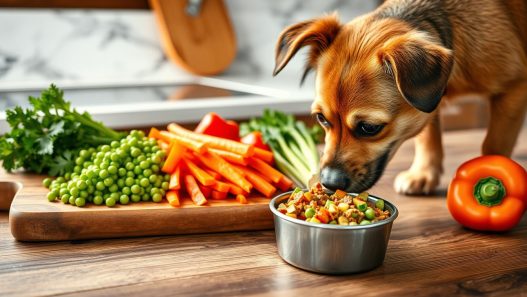
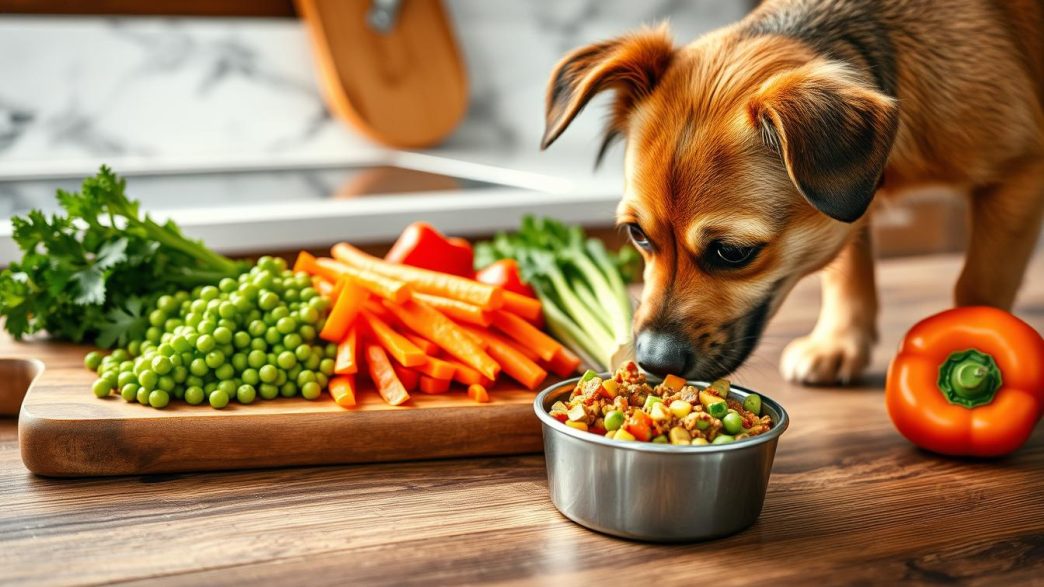
As a dog parent, you may have faced the challenge of a pup turning away from kibble or carefully sorting through their bowl. You’re not alone—selective eating is common among our furry friends. This guide aims to provide you with practical feeding advice while ensuring your dog enjoys their food.
The goal here isn’t just to make food tempting; it’s about blending appealing flavor, digestible ingredients, and complete nutrition. Throughout this article, you’ll find a listicle format that covers the causes of picky eating, along with seven enticing recipes like Lamb & Squash and Organic Chicken.
It’s essential to recognize that sudden changes in appetite, weight loss, or prolonged refusal to eat should prompt a visit to the vet. We will explore gently cooked, minimally processed options that may appeal to dogs who find dry food unappetizing. Remember, each dog’s needs are unique, and finding the right fit can make all the difference.
Understanding Picky Eating in Dogs: Causes and Concerns
Seeing your dog turn away from their bowl can be a perplexing situation for many pet parents. Understanding the reasons behind this behavior is crucial for ensuring your furry friend stays healthy and happy. Picky eating isn’t just a phase; it can stem from various health-related, behavioral, and environmental factors.
Health-related issues often play a significant role in a dog’s appetite. Conditions like sensitive stomachs, allergies, and dental disease can lead to discomfort while eating. If your dog experiences nausea, gas, or bloating, they may associate food with these unpleasant feelings. As a result, they might refuse their regular meals.
In addition to health concerns, behavioral and environmental factors can also impact your dog’s eating habits. Stress from loud noises, changes in the household, or a new environment can lead to a lack of interest in food. Furthermore, inconsistency in feeding times or frequent treats can create confusion about when it’s time to eat.
Age and activity level are crucial considerations as well. Senior dogs may experience a diminished sense of smell and taste, making food less appealing. Puppies and small dogs often require more frequent meals and different nutrient ratios to support their growth. Low-activity dogs may naturally eat less, but they still need nutrient-dense food to maintain their health.
It’s essential to differentiate between occasional appetite changes and consistent picky eating. If your dog refuses food for more than 24 hours or shows signs of lethargy, weight loss, or other health issues, it’s vital to consult a veterinarian. Remember, addressing potential medical problems should be a priority before making significant changes to your dog’s diet.
- Picky eating is a consistent pattern, such as refusing regular food while accepting treats.
- Digestive discomfort, dental pain, and food allergies can make eating unpleasant.
- Behavioral triggers include stress, household changes, and inconsistent feeding schedules.
- Age and activity level influence appetite, with senior dogs losing some sense of smell.
- Contact a veterinarian if refusal lasts more than a day or occurs with other concerning symptoms.
Why Nutritious Meal Ideas for Picky Dogs Matter
Every dog owner knows the struggle of trying to find food that their furry friend will actually eat. While it’s essential to make meals appealing, it’s equally important to ensure that they are balanced and healthy. This balance is vital for dogs who may not consume a variety of foods.
Balanced nutrition plays a significant role in your dog’s overall health. Complete meals help provide essential protein, healthy fats, vitamins, minerals, and fiber. Even if your dog eats smaller portions or avoids certain textures, these nutrients are crucial for maintaining energy levels and muscle health.
It’s important to note that picky eaters may consume enough calories on some days but still miss out on vital nutrients. Over time, deficiencies in vitamins, minerals, amino acids, or fatty acids can lead to various health issues. This is why focusing on balanced meals is key.
When selecting recipes, look for those that include whole proteins, digestible carbohydrates, and quality produce. Meals should ideally meet AAFCO standards for all life stages. This means real meat should be the first ingredient, with minimal synthetic additives. These guidelines ensure that your dog receives a well-rounded diet.
Good nutrition leads to practical outcomes. It supports steady energy, a healthy body condition, comfortable digestion, and even contributes to a glossy coat. Remember, toppers and treats should complement a complete meal, not replace it. Homemade diets should also be formulated with veterinary guidance to ensure they meet your dog’s needs.
Top Nutritious Meal Ideas for Picky Dogs That Appeal to Taste and Health
Finding the right food for your furry friend can feel like a never-ending quest. To help you navigate this journey, we’ve compiled a list of seven enticing recipes. Each one features a unique protein source and a blend of wholesome ingredients that can cater to various tastes and dietary needs.
Lamb & Squash Recipe: High-Protein Flavor with Organic Veggies
This recipe showcases Australian-raised lamb, organic quinoa, squash, and sweet potatoes. The combination provides a rich, high-protein option. Quinoa absorbs savory meat juices, enhancing the flavor and making it more appealing to your pup.
Venison & Zucchini Recipe: Novel Protein for Sensitive Dogs
For dogs that may be tired of common poultry or beef, this recipe uses wild-hunted Texas venison. It features organic zucchini and squash, offering a gamey taste and a gently cooked texture that can entice even the most selective eaters.
Grain-Free Fish Recipe: Omega-3 Rich and Gentle on Digestion
This aromatic option includes wild-caught pollock, salmon skin, sweet potatoes, zucchini, and spinach. Rich in omega-3 fatty acids, it supports skin, coat, and brain health while being gentle on digestion.
Beef & Quinoa Recipe: Mineral-Rich and Appetite-Boosting
Combining USDA-inspected ground beef with organ meats, quinoa, and vegetables, this recipe creates a savory, mineral-rich dish. It’s perfect for dogs that reject bland or highly processed food.
Organic Chicken Recipe: Certified Organic Cuts for Rich Flavor
This full-flavored recipe utilizes free-range chicken drumstick meat, liver, heart, gizzard, skin, and organic vegetables. It offers a delicious option that many dogs find irresistible.
Chicken & Rice Recipe: Easy-to-Digest Classic
Combining hormone-free chicken with organic white rice, sweet potatoes, kale, and peas, this recipe is familiar and soft in texture. It’s a classic choice that many dogs enjoy.
Grain-Free Turkey Recipe: Protein-Rich and Grain Sensitive
This recipe contains 65% USDA-inspected turkey and 35% organic vegetables, including sweet potatoes, kale, spinach, and blueberries. It’s a protein-rich option for dogs that are sensitive to grains.
Remember, while grain-free options can be appealing, some dogs thrive on rice or quinoa. It’s important to investigate food sensitivities with your veterinarian rather than assuming preferences alone.
Key Ingredients Enhancing Flavor and Nutrition in Dog Meals
Understanding the right ingredients can make a significant difference in your dog’s dining experience. Recognizable components not only boost nutrition but also improve mealtime appeal. Let’s explore how specific ingredients contribute to both flavor and health.
Role of Sweet Potatoes, Spinach, and Squash in Digestion
Sweet potatoes, squash, and similar produce provide essential fiber and moisture. These elements can create a gentle texture, making meals easier for your dog to accept and digest. The natural sweetness of sweet potatoes can also enhance flavor, making them a favorite among many pups.
Spinach and kale are packed with plant nutrients and antioxidants. These ingredients complement animal-based nutrition without overshadowing it. They help support overall health, ensuring your dog gets a balanced diet.
Benefits of High-Quality Protein Sources Like Lamb, Beef, and Salmon
When it comes to protein, options like lamb, beef, chicken, turkey, venison, and salmon offer various aromas and textures. This variety allows dog parents to identify which proteins their furry friends prefer. Each protein source provides unique flavors that can entice even the most selective eaters.
Additionally, organ meats such as liver and heart contribute strong savory appeal and naturally occurring nutrients. These ingredients enhance the overall flavor profile, making meals more enticing.
Fish and fish oil are excellent sources of omega-3 fatty acids, which support skin and coat health. It’s important to consult with your veterinarian before adding concentrated oil supplements to your dog’s diet.
Choosing the Right Dog Food: What to Look for When Buying for Picky Eaters
Choosing the right food for your furry companion can often feel overwhelming. With so many options available, it’s essential to understand what to look for to meet your dog’s needs. This section will guide you through evaluating nutrition, ingredient quality, and suitable food types.
When selecting food, start by evaluating the nutritional adequacy. Ensure the product is complete and balanced for your dog’s specific life stage, size, and health needs. This is crucial for maintaining their overall well-being.
Evaluating Nutrition and Ingredient Quality
Look for clearly named animal proteins as the first ingredient. Recognizable produce and responsible sourcing are vital for quality. Avoid vague terms like “animal fat” or “meat meal,” as they do not provide clarity on what your dog is consuming.
Food Types Suitable for Picky Dogs: Fresh, Wet, and Rotational Diets
Consider different food types based on your dog’s preferences. Gently cooked fresh food may offer a stronger aroma and softer texture than dry kibble. Wet food can be a great option for dogs that prefer moisture or have dental discomfort. Homemade meals should always be formulated with veterinarian-approved recipes to ensure they meet your dog’s dietary needs.
Rotational diets can add variety to your dog’s meals, but be cautious. Frequent or poorly managed changes can lead to digestive upset and make it harder to identify a problem ingredient.
Reading Labels for Transparency and Ingredient Integrity
When reading labels, look for transparency in ingredient sourcing. Ensure that the food meets AAFCO standards for all life stages. Remember that claims like “grain-free,” “organic,” or “human-grade” do not guarantee a complete nutritional profile. Professional advice is essential, especially if health conditions are present.
| Food Type | Texture | Aroma | Convenience | Storage |
|---|---|---|---|---|
| Gently Cooked Fresh Food | Soft | Strong | Moderate | Refrigerate |
| Wet Food | Moist | Strong | High | Refrigerate |
| Dry Food | Crisp | Mild | High | Store in a cool, dry place |
| Homemade Diets | Varies | Varies | Low | Depends on ingredients |
In summary, selecting the right food involves careful consideration of nutritional quality, ingredient integrity, and your dog’s specific needs. By following these guidelines, you can ensure your dog enjoys their food while maintaining a healthy diet.
Encouraging Better Eating Habits in Picky Dogs
Getting your dog to enjoy their food can be a tricky endeavor. Fortunately, there are several low-pressure strategies you can use to encourage better eating habits. By introducing variety and maintaining consistency, you can help your pup develop a healthier relationship with their food.
Switching Proteins and Rotating Recipes to Stimulate Interest
One effective way to keep your dog engaged with their food is by rotating proteins. Consider mixing options like turkey, lamb, venison, beef, chicken, or fish. This should only be done after your dog has adjusted to the initial recipe and it is nutritionally complete.
Additionally, try introducing new recipes gradually. This can help prevent digestive upset and allow your dog to adapt to different flavors and textures over time. It’s important to be patient, as dogs may take up to two weeks to fully accept a new food.
Using Healthy, Tasty Toppers to Enhance Meal Appeal
Adding toppers can also make meals more enticing. Consider using small amounts of warm water, plain bone broth, or wet food to enhance the aroma of their dish. You can also add mashed sweet potato, pumpkin, or plain cooked meat to create a more appealing mix.
However, be mindful that toppers should not exceed 10% of your dog’s daily intake. Keeping them limited ensures your dog does not learn to hold out for these additions instead of eating their main food.
Establishing Consistent Feeding Schedules and Boundaries
Consistency is key when it comes to feeding. Serve meals on a predictable schedule and leave the bowl available for about 15-20 minutes. After that time, calmly remove the bowl until the next scheduled feeding. This helps establish boundaries and encourages your dog to eat when food is offered.
When introducing changes, always observe your dog’s stool quality and appetite. Allow several days or longer for your pup to adjust to new textures or flavors. Remember, gradual changes can lead to a more positive eating experience.
Nutrition Support and Veterinary Recommendations for Sensitive Eaters
Navigating the dietary needs of your dog can be a challenging journey, especially when they have a sensitive stomach. Providing the right nutrition is crucial for their health and happiness. In this section, we will explore how to support your dog’s unique nutritional needs and the importance of consulting a veterinarian.
Probiotics and Gut Health for Improved Digestion
Probiotics can play a significant role in supporting normal gut function for some dogs. These beneficial bacteria help maintain a healthy balance in the digestive system. They can be particularly helpful during carefully managed food transitions.
However, it’s essential to choose the right products and doses with veterinary input. As one expert states,
“Probiotics can aid in digestion, but they should not replace a proper diagnosis.”
Incorporating Omega-3 Fatty Acids for Coat and Brain Health
Omega-3 fatty acids, found in sources like salmon and fish oil, are vital for maintaining healthy skin and a shiny coat. These nutrients also support brain function and nutrient absorption. Incorporating them into your dog’s diet can enhance their overall health.
Be cautious, though. Adding oil or supplements indiscriminately can lead to digestive issues and excess calories. Moderation is key to achieving the desired benefits without causing problems.
Consulting a Veterinarian for Tailored Feeding Plans
Consulting a veterinarian is essential for developing a tailored feeding plan. This is especially important for dogs with allergies, chronic illnesses, or weight management needs. A veterinarian can help evaluate food intolerances and recommend appropriate diets.
It’s crucial to seek professional advice if your dog experiences recurring diarrhea, vomiting, or weight loss. Regular assessments can help ensure your dog stays healthy and happy.
- Probiotics may support normal gut function during food transitions.
- Salmon and fish oil provide omega-3 fatty acids for skin and brain health.
- Avoid adding supplements indiscriminately to prevent digestive problems.
- Consult a veterinarian for recurring health issues or dietary concerns.
- Develop a tailored feeding plan for dogs with specific health needs.
Effective Strategies for Managing Mealtime with Picky Dogs
Managing mealtime for your dog can be a challenge, especially if they are selective about their food. Implementing a few effective strategies can make a significant difference. Here are some practical tips to help your furry friend enjoy their food more.
Gradual Food Transition Plans to Avoid Digestive Upset
When introducing new food, a gradual transition is key. This helps avoid digestive issues and makes it easier for your dog to accept the change. Follow this seven-day transition plan:
- Days 1-2: 25% new food and 75% old food.
- Days 3-4: 50% new food and 50% old food.
- Days 5-6: 75% new food and 25% old food.
- Day 7: 100% new food.
If your dog shows signs of discomfort, such as loose stool or vomiting, slow down the transition. It’s important to monitor their energy and appetite during this time.
Using Food Puzzles and Interactive Feeding to Enhance Engagement
Engaging your dog during mealtime can make eating more enjoyable. Consider using food puzzles, Kongs, slow feeders, or lick mats. These tools encourage your dog to work for their food, which can be both fun and rewarding.
Dogs that enjoy foraging or licking may find these interactive options particularly appealing. They can also help slow down fast eaters, promoting better digestion.
Creating Quiet, Positive Eating Environments
Establishing a calm and quiet space for meals is essential. Dogs can feel anxious in noisy or busy environments. Set up a feeding area away from household traffic, loud appliances, or other pets. This will help your dog feel more comfortable while eating.
If you have multiple dogs, consider using separate bowls to prevent competition and stress during mealtime. A peaceful setting encourages a positive relationship with food.
Finally, keep track of your dog’s appetite, stool quality, energy levels, and weight changes. This information can be invaluable when discussing any concerns with your veterinarian.
Behavioral Approaches to Overcome Picky Eating Challenges
Enhancing your dog’s mealtime through thoughtful behavioral approaches can foster a healthier relationship with food. Implementing calm and supportive strategies can make a significant difference in how your pup perceives their meals.
Positive Reinforcement and Making Mealtime Rewarding
Using positive reinforcement can create a joyful atmosphere around food. After your dog finishes their meal, offer calm verbal praise or a brief play session. This builds a positive association with eating.
Instead of hovering or pleading, allow your dog to enjoy their food in peace. This reduces anxiety and pressure, making mealtime more enjoyable.
Avoiding Overfeeding Treats and Reducing Food Pressure
It’s important to limit treats to avoid diminishing your dog’s appetite at mealtime. Excessive treats can lead to reduced hunger and reinforce food refusal. Keep treats modest and account for them in their daily calorie plan.
When your dog rejects food, avoid immediately replacing it with a favorite recipe. This behavior may reinforce their reluctance to eat regular food.
Involving Your Pup in Food Preparation to Boost Interest
Involving your dog in safe food preparation routines can spark their interest in meals. Let them observe the preparation steps or hear the bowl being filled. This engagement can create excitement around mealtime.
However, ensure they don’t have access to unsafe ingredients. Observing the process can help your pup feel more connected to their food.
Combining these behavioral strategies with a complete recipe and gradual changes can lead to better eating habits. Always consult with your veterinarian if food refusal persists, as underlying health issues should be ruled out first.
- Use calm verbal praise, a brief play session, or a walk after the dog eats to create a positive association with the meal.
- Avoid begging, hovering, repeated hand-feeding, or immediately replacing rejected food with a favorite recipe, because these responses may reinforce food refusal.
- Keep treats modest and account for them in the daily calorie plan, especially when the dog is already eating small meals.
- Let the pup observe safe preparation steps, hear the bowl being prepared, or participate in a simple routine without giving access to unsafe ingredients.
- Combine behavioral strategies with a complete recipe, gradual changes, and veterinary guidance rather than assuming every dog is simply being difficult.
Conclusion
As you navigate your dog’s dietary preferences, remember that finding the right food can be both rewarding and challenging. The best choices combine flavors and textures your dog enjoys with complete, balanced nutrition tailored to their life stage and health status.
Consider the featured protein options, from savory beef and chicken to novel venison and aromatic fish. These can be paired with vegetables and carefully selected carbohydrates to create appealing recipes.
Introduce new recipes gradually and monitor your dog’s appetite and stool. Limit toppers and treats to maintain their interest in regular food, and establish predictable feeding routines.
If your dog consistently refuses food or shows signs of distress, seeking veterinary guidance is essential. Finally, explore fresh, gently cooked dog food options that support a healthy diet and make mealtime enjoyable.