
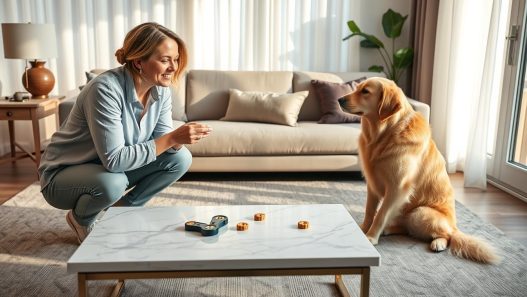

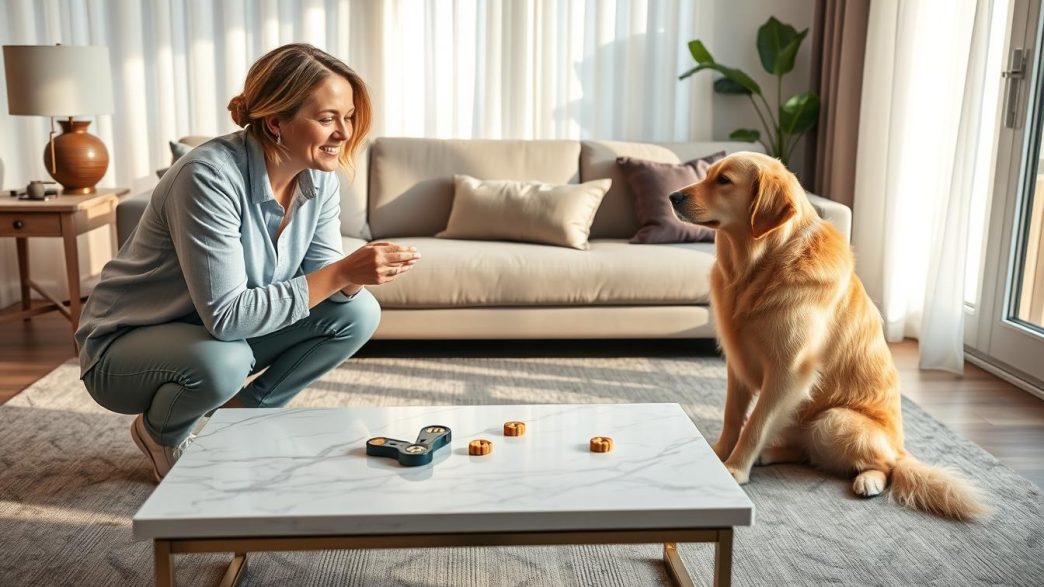
Addressing unwanted behavior in our pets can be a challenge. However, gentle correction offers a friendly and effective way to guide them. This approach focuses on calmly redirecting actions rather than resorting to fear or harsh punishment. By showing what to do instead, we create a positive learning environment.
Reward-based methods are at the heart of this process. They help build trust and improve communication, leading to a healthier relationship between pets and their owners. Each pet is unique, learning at their own pace based on factors like age, breed, and personality. It’s essential to measure progress against individual expectations rather than comparing to others.
This guide will cover foundational skills such as sit, recall, and heel. These commands not only keep pets safe but also allow them more freedom in daily life. Remember, kind training requires clear boundaries, patience, and consistency. Ultimately, it should be a rewarding experience for both pets and their owners.
Key Takeaways
- Gentle correction means redirecting behavior without fear.
- Reward-based methods foster trust and communication.
- Every pet learns differently; adjust expectations accordingly.
- Foundational skills enhance safety and freedom.
- Kind training is engaging and rewarding for all.
Understanding Gentle Correction and Its Benefits
Understanding how to guide our pets through unwanted behaviors is essential for a harmonious home. Gentle correction is a calm change in direction. It involves interrupting unwanted actions, reducing access to problems, and reinforcing safer choices immediately. This method not only protects trust but also fosters confidence and emotional well-being in our pets.
Punishment-based techniques, such as yelling or using shock collars, can lead to fear and aggression. Instead, positive reinforcement proves to be more effective for long-term learning. When pets associate desired behaviors with rewards, they are more likely to repeat those actions. This creates a positive learning environment.
To establish clear household rules, owners should address common behaviors like jumping, barking, and pulling on the leash. Consistency is key. Both puppies and adult dogs need realistic expectations and frequent feedback. Allowing enough time for them to grasp new commands is crucial before increasing the difficulty.
It’s important to note that gentle correction does not mean permitting unsafe behavior. Owners can use management tools, such as barriers or distance, to help maintain a safe environment. Calm removal from stressful situations is also effective. Professional support can be sought if needed, all while preserving the dog’s confidence.
| Technique | Description | Benefits |
|---|---|---|
| Gentle Correction | Calmly redirecting unwanted behavior | Builds trust and reduces fear |
| Positive Reinforcement | Rewarding desired behaviors with treats or praise | Encourages repetition of good behavior |
| Consistent Rules | Establishing clear expectations for behavior | Helps pets understand boundaries |
| Management Tools | Using barriers or distance to prevent unsafe actions | Maintains a safe environment for pets |
The Role of Positive Reinforcement in Dog Training
Using positive reinforcement is a powerful way to encourage desired behaviors in pets. This method focuses on rewarding actions that owners want to see, such as sitting quietly, walking beside the handler, or returning when called. When pets receive something they value immediately after a good behavior, they are more likely to repeat it.
To make the most of this approach, it’s essential to identify what motivates your pet. Some dogs may respond best to treats, while others may prefer toys, praise, or playtime. Understanding these preferences can significantly enhance the effectiveness of your training sessions.
Timing is also crucial. Deliver the reward right after the correct behavior so your pet knows exactly what action earned it. This clarity helps reinforce the desired behavior. Pairing a consistent verbal marker, hand signal, or clicker with rewards can also aid in teaching basic commands.
It’s important to avoid giving repeated cues, as this can lead to confusion. Instead, aim for short, upbeat training sessions. These are usually more productive than long, exhausting drills, especially for puppies with shorter attention spans or dogs learning in distracting environments.
“Positive reinforcement not only teaches desired behaviors but also strengthens the bond between pets and their owners.”
Below is a table summarizing effective rewards and their benefits:
| Reward Type | Description | Benefits |
|---|---|---|
| Treats | Small pieces of meat or cheese given immediately after a desired action | Highly motivating for most pets |
| Toys | Favorite toys offered as a reward for good behavior | Encourages play and engagement |
| Praise | Verbal affirmations or petting after a correct action | Strengthens emotional connection |
| Playtime | Engaging in fun activities as a reward | Reinforces positive experiences |
Essential Dog Training Techniques for Gentle Correction
Creating a solid foundation for obedience can greatly enhance the bond between you and your pet. This section will cover three essential skills: sit, recall, and heel. Each skill plays a vital role in promoting good behavior and ensuring a positive experience at home.
Sit Training: The Foundation Skill
Begin sit training in a quiet room. Use a treat or another reward to guide your pet into position. Mark the moment their rear touches the floor and reward immediately. Practice this before meals, at doorways, near the crate, and during calm pauses.
As your pet becomes more comfortable, gradually increase the duration and distractions. Instead of repeating the command louder, use this skill to gently interrupt jumping, rushing, or loss of focus.
Recall Training: Building Reliable Responses
Start recall training indoors or in a secure area. Move only a short distance away and say your chosen recall cue once. Reward your pet enthusiastically for turning toward you and reaching your side. Remember, never punish them for coming back.
To build reliability, use a long leash or an enclosed space before adding distance and distractions. Make returning to you rewarding with treats, praise, toys, or a brief play session.
Heel Training: Establishing Leadership and Connection
Choose one consistent position beside you for heel training. Reward your pet for checking in and walking near your leg. Use changes in direction or pace to encourage their attention without harsh corrections through the leash.
These foundational skills work together: sit helps your pet pause, recall brings them back, and heel fosters connection and safe movement beside you.
| Skill | Steps | Benefits |
|---|---|---|
| Sit | Guide into position, mark, and reward. | Interrupts unwanted behaviors, enhances focus. |
| Recall | Call once, reward for coming back. | Builds reliability and trust. |
| Heel | Maintain position, reward for attention. | Strengthens connection and safety. |
Common Mistakes to Avoid in Dog Training
Many pet owners unknowingly make mistakes that hinder effective learning. These errors can lead to frustration for both the owner and the pet. Understanding these common pitfalls is crucial for fostering a positive training environment.
One major mistake is using punishment as a training method. Hitting, yelling, or employing shock collars can damage the bond between you and your pet. Such methods may lead to fear, aggression, or other behavioral issues, including excessive barking.
Another common error is failing to set clear boundaries. Inconsistent rules create confusion for pets. Every person in the household should use the same cues, boundaries, and rewards. This consistency helps establish a clear understanding of what is expected.
Additionally, many owners repeat commands endlessly, which can confuse pets. It’s important to be concise and clear. Training sessions should be kept short to maintain your pet’s focus, especially with puppies who may have shorter attention spans.
Moving to busy environments too quickly is another mistake. It’s best to first establish reliable behavior at home. Gradually introduce distractions like people, animals, and sounds to help your pet adjust.
When frustration arises, it’s beneficial to pause. End the session with an easy success to keep morale high. If challenges persist, consider seeking help from a qualified behaviorist or reputable training classes.
- Avoid aversive methods: Hitting, yelling, or using shock collars can worsen behavior problems.
- Establish consistent rules: Ensure everyone in the household uses the same cues and boundaries.
- Keep commands clear: Avoid repeating commands and maintain focus during training sessions.
- Gradually introduce distractions: Build reliable behavior at home before moving to busy environments.
- Seek professional help: Don’t hesitate to ask for assistance with persistent behavioral issues.
Practical Tips for Effective and Kind Training Sessions
Creating a nurturing environment for learning new behaviors can greatly enhance your pet’s experience. Start by choosing a quiet area at home for your training sessions. This helps minimize distractions, allowing your pet to focus better. Use high-value treats, a favorite toy, or a leash when appropriate. Have a clear plan with one or two specific goals for each session.
Keep your lessons brief and regular. Short sessions prevent your pet from becoming overwhelmed. Incorporate play or “recess” periods to keep things fun. Always stop before your puppy or adult dog gets tired, distracted, or frustrated.
When teaching new skills, increase difficulty in small steps. Change only one factor at a time, such as distance, duration, or location. This gradual approach helps your pet adjust without feeling stressed.
Encourage consistent practice throughout daily life. For example, ask for a sit before meals, at doorways, or during greetings. Reward calm behavior naturally to reinforce good habits.
Remember that age, health, and breed can affect progress. Older pets may need a veterinary evaluation if they experience pain or changes in senses. Be patient and understanding of their unique needs.
Finally, end every session with a command your pet already performs well. Follow this with praise or a reward to ensure training remains a positive experience.
| Tip | Description | Benefits |
|---|---|---|
| Quiet Environment | Begin in a low-distraction area. | Enhances focus and learning. |
| Short Sessions | Keep lessons brief and regular. | Prevents overwhelm and frustration. |
| Gradual Difficulty | Change one factor at a time. | Helps with adjustment and confidence. |
| Consistent Practice | Incorporate commands into daily life. | Reinforces good behavior naturally. |
| Positive Endings | Finish with a known command. | Builds confidence and a positive experience. |
Behavioral and Health Benefits of Gentle Training
The benefits of kind training extend beyond mere obedience, positively influencing a pet’s overall well-being. Establishing predictable boundaries and consistent training sessions helps dogs feel secure. They learn what behaviors earn them access, attention, praise, or rewards. This clarity reduces confusion and anxiety, leading to a happier pet.
Moreover, gentle correction fosters mental enrichment. Engaging in learning commands, solving simple challenges, and practicing recall can reduce boredom. It provides an appropriate outlet for energy, which is essential for a healthy lifestyle.
Gentle training also aids in managing common behavior concerns. It can prevent excessive barking, destructive chewing, jumping, and pulling before they become deeply ingrained habits. This proactive approach supports a peaceful home environment.
Safety is another significant advantage. Reliable responses to commands like recall, sit, and controlled leash behavior can lower the risk of accidents. This is especially crucial around roads, doors, unfamiliar animals, and visitors.
It’s important to adapt progress to your pet’s age, breed, and health. Older pets may require veterinary evaluation if physical conditions affect their ability to respond. Pain, mobility issues, or sensory changes can impact training outcomes.
Lastly, shared practice strengthens communication and trust. This connection allows owners and pets to enjoy more activities together, enhancing their relationship at home and in the community.
“Gentle training nurtures not only obedience but also emotional stability and a lasting bond.”
Conclusion
Transforming unwanted behaviors into positive actions can be a rewarding journey. Gentle correction is about preventing unsafe choices, calmly redirecting actions, and rewarding the desired behaviors. Consistent practice over time is key.
Skills like sit, recall, and heel serve as powerful foundations for safety and communication. They also pave the way for more advanced learning. Remember, improvement takes time, and every pet learns at their own pace.
Focus on short, enjoyable lessons and valuable rewards. Clear boundaries and patience are essential. Start by choosing one behavior to practice in a quiet setting. Celebrate small successes and seek help from a qualified trainer or behaviorist when needed.