


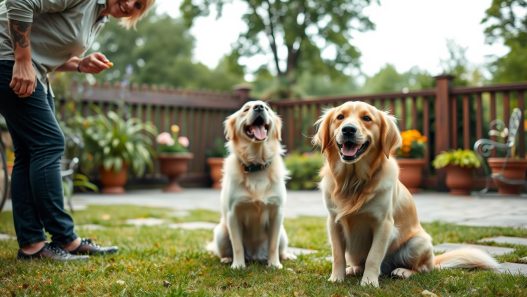
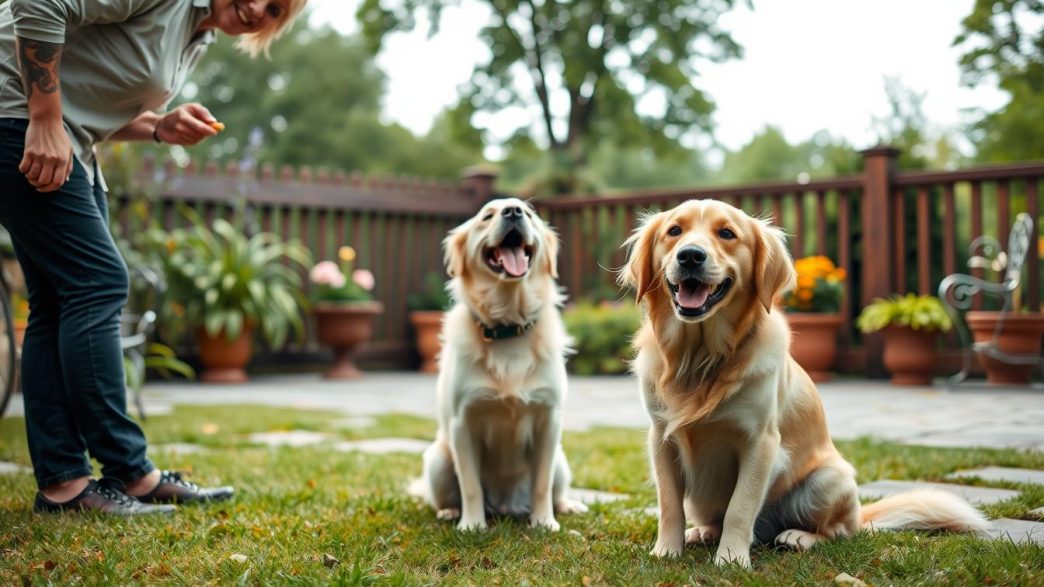
Training your pet is not just about commands; it’s about building a strong bond. When you engage in training, you create a connection that enhances your relationship. This process can transform simple cohabitation into a deep, trusting partnership. By focusing on understanding and connection, you pave the way for lasting behavior changes.
Establishing a comfortable environment at home allows your pet to learn without fear. Dogs thrive when they feel safe, making it easier for them to grasp new concepts. This approach not only prevents boredom but also channels their energy positively. With basic obedience skills, your furry friend gains the freedom to enjoy life, whether it’s running freely in the park or greeting guests calmly.
This guide will take you through each step of the journey, from understanding the reasons behind these methods to practical actions you can implement right away. The bond you cultivate during training sessions becomes the foundation for a happier, calmer home where both you and your pet can thrive.
Key Takeaways
- Building a strong bond enhances your relationship with your pet.
- A comfortable environment encourages learning without fear.
- Basic obedience skills provide freedom and safety for your pet.
- Training prevents boredom and channels energy positively.
- This guide offers practical steps for effective training.
Understanding the Importance of At-Home Dog Training Techniques
Engaging in the art of guiding your pet goes beyond mere instructions; it fosters a meaningful relationship. Training your furry friend brings numerous benefits that enhance both your lives. A well-trained dog can live happily with their family, avoiding unwanted behaviors while strengthening the bond you share.
Teaching basic obedience skills, such as sit, wait, and come, gives your pet the freedom to enjoy life safely. This means they can run off-lead and meet friends without worry. Dogs are intelligent and love to learn, making training a fantastic way to keep them engaged and prevent boredom.
The Benefits of Training for You and Your Pet
Consistent training enriches your daily life in many ways:
- Reduces stress from managing unwanted behaviors.
- Creates a more predictable and harmonious household routine.
- Equips your pet with skills to navigate the human world confidently.
- Strengthens the emotional connection between you and your companion.
- Promotes calmness and contentment in your dog.
How Training Strengthens Your Bond and Improves Behavior
Training sessions build trust and mutual respect through clear communication. Dogs who receive regular guidance feel secure and understand what is expected of them. This sense of security opens up a world of freedom, allowing them to participate in family outings and enjoy adventures without compromising safety.
Moreover, training provides essential mental stimulation for intelligent pets. Without it, they may become bored and develop destructive behaviors out of frustration. By investing time in training, you gain peace of mind, knowing you can guide your pet through any situation with confidence.
Using Positive Reinforcement: The Key to Successful Training
Effective training is rooted in the art of positive reinforcement, where encouragement shapes behavior. This method is not just about commands; it focuses on rewarding your pet for the actions you want to see more often. When you use positive reinforcement, you create a nurturing environment that fosters trust and strengthens your bond.
What is Positive Reinforcement?
Positive reinforcement involves giving your pet something they truly enjoy when they exhibit a desired behavior. This could be a tasty treat, a favorite toy, or enthusiastic praise. By doing this, you increase the likelihood that your pet will repeat that behavior in the future. Almost all veterinarians endorse this approach as the most effective and humane way to guide your pet.
Choosing the Right Rewards: Treats, Toys, and Praise
Identifying the right rewards is crucial. Some pets respond best to small pieces of meat or cheese, while others may prefer a squeaky toy or simply your affection. The key is to discover what truly motivates your individual pet. Soft, chewy treats often work better than hard ones, so be sure to experiment to find what excites your furry friend the most.
Avoiding Reinforcing Unwanted Behaviors
While focusing on positive reinforcement, it’s equally important to avoid reinforcing unwanted behaviors. For instance, if your pet barks to get your attention, giving in only encourages that behavior. Instead, wait for calmness before offering any reward. This way, you ensure that the reinforcement is only associated with good behavior, helping your pet learn effectively.
In summary, adopting a positive reinforcement approach not only builds a strong relationship with your pet but also leads to more effective and enjoyable training sessions. Remember, training should be a fun experience for both you and your pet, creating a joyful partnership that thrives on trust and respect.
Structuring Your Training Sessions Effectively
The way you structure your training sessions can greatly influence your pet’s learning experience. To ensure success, consider a few essential tips that can transform your approach. Keeping sessions short and frequent is one of the most effective strategies.
Keeping Sessions Short and Frequent
Most dogs thrive with brief training sessions. The American Kennel Club recommends keeping sessions to just five minutes maximum. This duration helps prevent your pet from becoming distracted or frustrated.
Even five minutes of focused work, repeated multiple times throughout the day, can yield remarkable results. Short bursts of training are far more effective than lengthy sessions that may overwhelm your furry friend.
Starting in a Low-Distraction Environment
Begin every new skill in a quiet room in your home. This minimizes distractions from other people, animals, or noises that can slow down the learning process. For instance, if you’re teaching your pet to sit, avoid starting in a busy park where their attention may wander.
Once your pet consistently performs the behavior on cue, you can begin to practice in different environments. This process, known as “proofing,” helps your pet generalize the desired behavior, allowing them to respond reliably in various situations.
Ending Sessions on a Positive Note
Always conclude each session with a command your pet already knows well. Ending on a positive note builds confidence and keeps your pet eager for the next opportunity to learn. This practice reinforces their skills and fosters a joyful training atmosphere.
Additionally, pay attention to your pet’s body language during sessions. Recognizing when they become distracted or frustrated allows you to pause or wrap up before hitting a point of diminishing returns.
By mastering these simple structural tips, you can transform training from a hit-or-miss effort into a consistent, rewarding routine that fits seamlessly into your daily life.
Consistency: The Foundation of Effective Dog Training
Establishing a consistent approach in training can significantly enhance your pet’s learning experience. Dogs are exceptionally detail-oriented creatures. They notice every subtle variation in your commands, tone, and body language.
To your pet, commands like “sit,” “sit down,” and “Fido, sit” are entirely different cues. Therefore, it’s crucial to use the same command every time you ask for a specific behavior. This strategy minimizes frustration for both you and your pet, helping them understand your requests clearly.
Using Clear and Consistent Commands
Every person in your household must agree on and use the same words and intonation when asking for a specific behavior. This uniformity is vital for your pet’s learning. Inconsistent rules can create confusion. For instance, if one person allows the pet on the couch while another forbids it, your furry friend will become anxious and uncertain.
Ensuring Everyone in the Household is on the Same Page
To avoid confusion, involve everyone in the family, including children and visitors, in the training process. Here are some practical tips:
- Hold a family meeting to discuss the commands and boundaries you will use.
- Use the same rewards and praise to reinforce good behavior.
- Practice commands together to ensure everyone is comfortable.
- Remind guests of the rules to maintain consistency.
Recognize that consistency extends beyond words to your expectations and follow-through. If you ask for a sit, you must gently ensure it happens every time. This way, your pet learns that commands are not optional.
A united, consistent approach from all the people in your pet’s life accelerates learning. It reduces frustration and builds a predictable world where your pet feels secure and confident.
Breaking Down Complex Behaviors into Manageable Steps
Breaking down complex behaviors into simple steps can make learning enjoyable for your pet. When you have a clear idea of the behavior you want to teach, it becomes easier to break down the training into small, attainable steps. This approach not only enhances your pet’s learning but also keeps them motivated and engaged.
Dogs learn better and enjoy training sessions more when they experience frequent wins. If your pet struggles to understand what you’re asking, consider simplifying the task. For instance, when teaching the cue “down,” if your dog appears confused, start by rewarding them for simply lowering their head. Gradually increase the criteria as they begin to understand.
Building Skills Gradually for Better Learning
Starting small is particularly beneficial for more complex behaviors like “stay” or when modifying behaviors. For example, when training “come,” begin by praising and rewarding your pet for taking even a single step toward you. This incremental approach makes it easier to build up to the full behavior as your furry friend gains confidence.
Examples: Teaching “Come,” “Stay,” and Tricks
Here’s a detailed breakdown of how to teach essential commands:
| Command | Step 1 | Step 2 | Step 3 |
|---|---|---|---|
| Come | Praise for taking a step toward you | Increase distance gradually | Add distractions |
| Stay | Start with a short duration | Gradually increase time | Introduce distance and distractions |
| Tricks | Begin with simple actions | Reward for partial completion | Build up to full trick |
Understanding that patience is essential is crucial. Just like people, dogs learn at different rates. Comparing your pet’s progress to others can create unnecessary pressure. Instead, celebrate each small victory along the way. This approach keeps both you and your pet motivated, transforming training into a rewarding journey rather than a race to the finish line.
Incorporating Fun and Variety to Keep Your Dog Engaged
Injecting joy and variety into your pet’s learning process can make a world of difference. Training should be an enjoyable experience for both you and your furry friend. When sessions are fun, they become something your dog looks forward to, fostering a deeper bond between you two.
Always keep it positive, and try mixing things up to maintain interest. Incorporating short play sessions into your training can refresh your dog’s focus. For example, a quick game of fetch or tug can serve as a dynamic reward between repetitions, keeping the mood light and exciting.
Mixing Training with Play and Toys
Discover how weaving play into your routine keeps your pet engaged and eager to learn. By transforming rigid drills into joyful bonding experiences, you create a training environment that is both productive and enjoyable.
Consider using your dog’s favorite toys as part of the training process. A brief game with a squeaky toy can energize your sessions, making them more appealing. This not only releases energy but also encourages your pet to stay focused.
Teaching Tricks Alongside Basic Obedience
Explore the magic of teaching tricks alongside basic commands. Dogs naturally pick up on our enthusiasm when they perform fun actions like rolling over or shaking hands. This positive energy encourages them to love showing off their skills.
Variety is essential; rotating through different commands, locations, and rewards can prevent boredom. Keeping your pet’s mind challenged in new ways every day makes training more enjoyable and effective.
Lastly, remember to praise every small improvement. Recognizing progress, no matter how minor, keeps your dog motivated. This approach allows you to enjoy the journey rather than fixating solely on the end goal.
A playful, varied approach to training strengthens your bond immeasurably. Your dog will come to see you as a source of fun and excitement, creating shared adventures that enhance your life together.
| Activity | Benefit | Example |
|---|---|---|
| Mixing Play | Increases engagement | Short tug-of-war sessions |
| Teaching Tricks | Enhances enthusiasm | Roll over, shake hands |
| Praising Progress | Boosts motivation | Celebrate small wins |
When to Seek Professional Help and Additional Resources
It’s important to identify when your pet’s behavior issues exceed your ability to manage them effectively. Dogs are complex beings and can exhibit behaviors that are beyond the scope of the average person to change. If you find yourself struggling with your pet’s behavior, it may be time to consult a qualified professional.
Recognizing the signs that indicate a need for expert help is crucial. Issues such as aggression, severe anxiety, destructive tendencies, or phobias that do not improve with consistent training warrant professional guidance. Seeking help is not a sign of failure; it’s a responsible choice that can lead to a happier, well-adjusted life for your pet.
Recognizing Challenging Behaviors That Require Experts
Understanding the difference between a dog trainer and a certified behaviorist is essential. A dog trainer can help with obedience and skill-building, while a behaviorist specializes in complex behavioral issues. If your pet exhibits excessive barking, fear-based reactions, or deep-seated anxieties, consulting a behaviorist is advisable.
Finding a Positive Reinforcement-Based Trainer or Classes
When searching for a professional dog trainer, take your time to do some research. Look for trainers who use positive reinforcement techniques rather than punishment-based methods. Reading reviews and asking for references can help you find a qualified trainer who suits your needs.
Consider enrolling in training classes that not only provide expert guidance but also offer valuable socialization opportunities for your pet. Group classes can create a supportive community of fellow dog owners, enhancing your learning experience.
Professional trainers often accelerate your progress significantly. They bring years of experience with various types of dogs and problems, allowing them to quickly identify effective solutions tailored to your unique situation. This support can empower you to become a more effective teacher for your pet long after the formal sessions end.
Conclusion
Nurturing a strong relationship with your pet goes beyond commands; it’s a journey filled with trust and companionship. Remember, this process is about establishing long-term behavior for a lasting bond. Take it slowly and, above all, have fun.
Learning isn’t linear. Your pet will have good days and challenging days, and progress may fluctuate. Stay calm and keep the big picture in mind. If a session isn’t working, simply pause and try again later with fresh energy.
Reflect on how far you and your pet have come. Celebrate every small step forward, as these contribute to a calmer home and a happier life together. Carry forward the heartfelt approaches you’ve learned, nurturing the unique connection that makes your relationship with your pet one of the most rewarding parts of your life.