

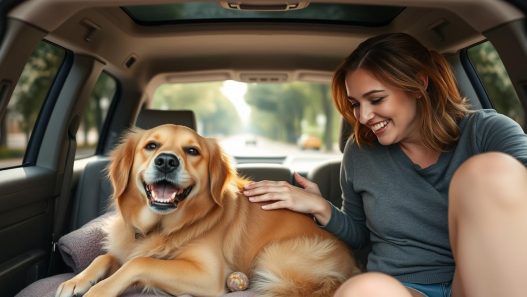


Welcome to a world where adventures become even more delightful when your furry friends join the journey. Many owners now view their four-legged companions as integral family members. This shift has prompted the travel industry to adapt, offering pet-friendly accommodations and services.
Planning a trip can be daunting, especially when considering the comfort of your animal. Some pets thrive on new experiences, while others may prefer the safety of home. Understanding your dog’s personality is key to ensuring a successful getaway.
This guide will help you navigate the essentials of taking your pup on the road. From pre-trip vet visits to choosing the right lodging, we cover it all. By prioritizing your dog’s needs, you can create unforgettable memories together.
Key Takeaways
- Discover how to make your road trip enjoyable for both you and your dog.
- Learn about the growing trend of pet-inclusive travel options.
- Find tips on assessing your dog’s readiness for travel.
- Understand the importance of planning ahead for your pet’s comfort.
- Explore essential gear and safety measures for a smooth journey.
Preparing Your Dog for a Joyful Road Trip
Traveling is an adventure that transforms when your beloved animal joins the ride. Before you embark on your journey, it’s essential to ensure your dog is prepared for the trip. A visit to the veterinarian can help address any health concerns and set the stage for a smooth experience.
Dr. Jana Bryant, DVM, emphasizes the importance of consulting your vet before you hit the road. Schedule a checkup well in advance to discuss your travel plans. This way, you can ask if your dog needs any additional vaccinations based on your destination.
Consulting Your Veterinarian for Health and Safety
Your veterinarian is a valuable resource for ensuring your dog is medically ready to travel. They can provide personalized recommendations tailored to your pup’s needs. For instance, if you’re heading to the Northeast, your vet may suggest a Lyme vaccine and tick preventative. For trips to southern states, leptospirosis vaccinations might be essential.
Essential Vaccinations and Health Certificates
Obtaining a health certificate from your veterinarian is crucial. This document confirms that your dog has been examined and shows no signs of contagious diseases. Make sure it’s dated within 10 to 30 days of departure. Additionally, request both an electronic and printed copy of your pup’s most recent medical records. This is also a good time to verify that your dog’s microchip information is accurate.
About half of pet owners travel by car, and some dogs experience motion sickness. Signs include excessive drooling, paw licking, whining, or yawning. Discuss these symptoms with your vet, who can prescribe anti-motion sickness medication if needed. Addressing this early helps prevent negative associations with car rides.
Acclimating Your Dog with Practice Trips and Travel Gear
To ensure a successful journey, acclimate your dog to travel gear gradually. Start by letting them sniff and investigate items like carriers and harnesses. Use these items for short periods at home, rewarding your pup with praise and treats to build positive associations.
Below is a summary of key considerations for preparing your dog:
| Preparation Step | Description |
|---|---|
| Vet Consultation | Discuss health and vaccinations tailored to your travel destination. |
| Health Certificate | Obtain a certificate confirming your dog is healthy and free of contagious diseases. |
| Motion Sickness | Consult your vet about symptoms and possible medications. |
| Acclimation | Introduce travel gear gradually with positive reinforcement. |
Navigating Pet Parenting and Travel with Dogs: Rules, Regulations, and Travel Modes
Setting off on an adventure can be even more thrilling when your four-legged companion is by your side. Understanding the rules and regulations for traveling is essential for a smooth experience. Whether you’re flying or driving, being prepared will ensure your pup enjoys the journey just as much as you do.
Understanding Air Travel Requirements and Restrictions
When planning to travel by air, always book a direct flight whenever possible. This minimizes the chances of your dog being left on the tarmac during extreme weather or mishandled during layovers.
Here are some key tips for air travel:
- Purchase a USDA-approved shipping crate that is large enough for your animal to stand, sit, and turn around comfortably.
- Line the crate with absorbent bedding like shredded paper or towels for accidents.
- Tape a small pouch of dried food outside the crate so airline personnel can feed your pup during unexpected delays.
- Freeze a small dish of water the night before departure so it won’t spill during loading but will melt by the time your dog is thirsty.
- Ensure the crate door is securely closed but never locked. Attach “Live Animal” stickers and include your name, cell phone number, destination phone number, and a clear photo of your pet.
- Know that each airline has its own rules. For example, dogs flying with American Airlines must be at least 8 weeks old and cannot be sedated.
- Be aware that airlines will not allow dogs to fly if temperatures exceed 85°F or drop below 45°F for more than four hours.
Car Travel Guidelines for Safe and Comfortable Journeys
For car travel, the safest way to transport your dog is in a well-ventilated crate secured so it won’t slide or shift during sudden stops. This provides the best protection in case of an accident.
If you choose not to use a crate, always keep your dog in the back seat using a harness attached to a secured seatbelt. Never allow your pup to ride with their head outside the window.
When crossing state lines, carry your pet’s rabies vaccination record. Check with your vet to see if a health certificate is required at certain interstate crossings.
International and Interstate Travel Considerations
For international travel, contact the foreign office of the country you’re visiting well in advance. Many countries require quarantine periods, and a USDA-accredited veterinarian must sign off on health certificates, which can take weeks or months.
Being informed about these regulations will help you plan effectively. This way, you can focus on enjoying your trip together.
Packing Smart: Essential Gear and Supplies for Traveling with Your Dog
Thoughtful packing makes all the difference in creating a smooth travel experience for your pup. The right gear ensures comfort and safety, making your journey enjoyable. Here are some essential items to consider before you hit the road.
Choosing the Right Carrier, Crate, and Harness
Selecting the appropriate carrier or crate is crucial. Look for one that has:
- A leak-proof bottom to contain any accidents.
- Excellent ventilation to keep your dog comfortable.
- Enough space for your dog to stand up and turn around.
The Sherpa carrier is a popular choice that meets most major airline requirements. It’s backed by the Worldwise Guaranteed On-Board program, which refunds your flight and pet fee if you’re denied boarding due to the carrier.
For car travel, invest in a crash-tested harness that attaches to a secured seatbelt. If you use a crate, ensure it’s properly secured to prevent sliding during sudden stops.
Food, Water, Medications, and Travel Feeding Tips
Pack a dedicated travel kit for your pup. This should include:
- Food in a kibble carrier to keep it fresh.
- A collapsible travel bowl for easy feeding.
- Plenty of bottled water to avoid stomach discomfort from unfamiliar sources.
Follow a smart travel-feeding schedule. Give your dog a light meal three to four hours before departure. Avoid feeding them in a moving vehicle to prevent motion sickness.
Comfort Items, Entertainment, and Emergency Supplies
Don’t forget comfort items that give your dog a sense of familiarity. Consider packing:
- Their favorite stuffed animal or blanket.
- A cozy travel bed that’s machine washable.
- Enrichment toys that can be stuffed with food to keep them entertained.
Bring high-value training treats like Zukes or Fruitables to reinforce positive behavior. However, avoid overfeeding treats right before a car ride or take-off.
Prepare for accidents by including:
- An enzyme cleaning solution for messes.
- Plenty of poop bags and extra potty pads.
- A couple of plastic trash bags for soiled items.
Ensuring Safety and Comfort on the Road: Tips for a Smooth Journey
Prioritizing your dog’s safety and comfort can transform any road trip into a memorable adventure. It’s essential to take the right precautions to ensure your furry friend feels secure throughout the journey.
Securing Your Dog in the Vehicle
Securing your dog properly in the vehicle is non-negotiable for safety. The safest option is a crash-tested crate that’s large enough for your dog to stand, sit, lie down, and turn around in. Make sure it’s firmly anchored so it won’t shift during abrupt stops.
If you choose not to use a crate, always keep your dog in the back seat using a well-fitted harness that attaches to a secured seatbelt. Never allow your pup to ride with their head outside the window or sit in the front seat where airbags pose a serious risk.
Never leave your animal alone in a parked car for any amount of time. On a hot day, even with windows cracked, the interior can become a deadly furnace within minutes. In cold weather, the car acts like a refrigerator, which can cause your pet to freeze.
Planning Rest Stops and Exercise Breaks
Planning your route with your dog’s needs in mind is crucial. Map out regular rest stops, and go beyond typical highway rest areas. Adding a park to your itinerary allows your pup to stretch their legs, do some scent work, and get meaningful exercise.
Keep your dog hydrated throughout the journey by offering bottled water at every stop. Wait until they’ve calmed down from the excitement of a break before encouraging them to drink. An overexcited dog often forgets to hydrate.
Managing Anxiety, Motion Sickness, and Emergencies
If your dog experiences motion sickness, consult your veterinarian about anti-nausea medication. Watch for early signs like excessive drooling, yawning, whining, or licking their paws so you can intervene before they become truly uncomfortable.
For dogs with travel anxiety, your vet may prescribe calming medications. However, be aware that sedatives are generally not recommended for air travel as they can increase the risk of breathing, ear, and heart problems during pressure changes.
Have the name, address, and phone number of several urgent care veterinary clinics along your route and near your final destination. This way, you’re prepared to act quickly in any emergency situation.
When flying with a pet in the cargo hold, tell every airline employee you encounter that you have an animal on board. This ensures they’re prepared to provide additional attention if needed. If your flight is delayed or you have any concerns about your pet’s welfare, insist that airline personnel check on the animal whenever feasible.
Conclusion
Hitting the road is a thrilling experience, especially when you have your cherished companion along for the journey. Thoughtful preparation is the key to ensuring a smooth adventure. From gathering health documents to planning pet-friendly stops, every detail matters.
The rise of pet-inclusive travel options makes it easier than ever for pet parents to include their furry friends in life’s adventures. Always remain flexible and patient, as unexpected situations may arise.
If a trip seems unsuitable for your dog, consider hiring a trusted sitter or finding a reputable boarding facility. For those who want peace of mind, working with a travel advisor can simplify logistics, allowing you to focus on creating cherished memories.
So pack that crate, double-check your travel documents, and prepare for an unforgettable adventure on the open road!