
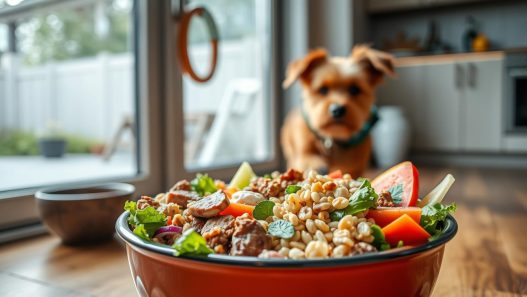

Does your furry companion turn their nose up at every bowl you set down? You are certainly not alone. Many pet parents struggle with the daily challenge of managing dog nutrition for picky eaters. It can feel like a constant battle to ensure your best friend receives the fuel they need to thrive.
Understanding why your pet acts this way is the first step toward a solution. Often, selective habits stem from simple preferences or underlying health needs. By identifying these triggers, you can turn mealtime into a joyful bonding experience rather than a stressful chore.
Mastering the art of feeding picky eaters is essential for their long-term vitality. With the right strategies, you can transform their bowl into a source of excitement. Let’s explore how to bring flavor and health back to your home.
Key Takeaways
- Identify the root causes behind your pet’s selective appetite.
- Learn how to balance essential nutrients with irresistible flavors.
- Discover simple techniques to make mealtime more engaging.
- Understand when to consult a veterinarian regarding dietary changes.
- Build a consistent routine that encourages healthy eating habits.
Main Section 1: Understanding Picky Eaters
Navigating the world of canine dining can feel like a puzzle when your dog refuses to eat. While it is easy to feel frustrated, identifying the root cause is essential for improving your pet’s overall dog nutrition. By observing your dog’s habits, you can begin to decode the mystery behind their selective appetite.
Identifying Picky Eating Behaviors
Picky eating often manifests in subtle ways that go beyond simply leaving food in the bowl. You might notice your dog sniffing their meal, taking a single bite, and then walking away in search of something else. Consistency is key when monitoring these behaviors to see if they are temporary or a long-term habit.
Some dogs may also exhibit “begging” behaviors, waiting for a better offer rather than eating their kibble. Keeping a log of these actions helps you determine if the issue is related to the food itself or external distractions. Recognizing these patterns is the first step toward better dog food preferences management.
Common Reasons for Picky Eating
Many owners inadvertently contribute to selective habits by offering too many human food scraps. When a dog learns that holding out for “people food” results in a tastier reward, they naturally become more selective with their own meals. This cycle can significantly disrupt balanced dog nutrition over time.
Sensory experiences also play a massive role in how a dog perceives their dinner. If the texture is too dry or the aroma is not appealing, a dog may reject the meal entirely. Understanding these sensory triggers allows you to adjust your approach to meet their specific needs.
The Role of Genetics in Food Preferences
Beyond environment, biology dictates much of how a dog interacts with their bowl. Certain breeds have evolved with specific dog food preferences based on their ancestral roles and metabolic needs. These genetic predispositions influence which scents and textures a dog finds most rewarding.
| Behavior | Potential Cause | Recommended Action |
|---|---|---|
| Sniffing and walking away | Lack of sensory appeal | Warm the food slightly |
| Begging for table scraps | Learned selective habit | Stop human food treats |
| Eating only specific textures | Genetic preference | Mix wet and dry food |
| Refusing food entirely | Possible health issue | Consult your veterinarian |
Every dog is an individual, and their genetic makeup influences their relationship with food. By combining patience with a deeper understanding of these biological factors, you can create a feeding routine that satisfies both their health requirements and their unique palate.
Main Section 2: Building a Flavorful and Nutritious Diet
Transforming mealtime into an exciting event requires a focus on high-quality nutrition. By selecting the right healthy ingredients, you can create meals that are both delicious and beneficial for your pet. Effective meal planning for dogs is the secret to keeping them satisfied and eager for every bite.
Healthy Ingredients That Dogs Love
The foundation of a great meal lies in the quality of the components you choose. Incorporating fresh, whole foods can make a significant difference in how your dog perceives their dinner.
Consider adding these nutrient-dense options to their bowl:
- Lean Proteins: Chicken, turkey, or lean beef provide essential amino acids.
- Fiber-Rich Vegetables: Steamed carrots, green beans, or sweet potatoes aid digestion.
- Healthy Fats: A small drizzle of fish oil or coconut oil supports a shiny coat.
Combining Textures and Flavors
Sometimes, a dog’s lack of interest stems from a boring or repetitive texture. You can easily fix this by mixing different food types to create a more appealing sensory experience.
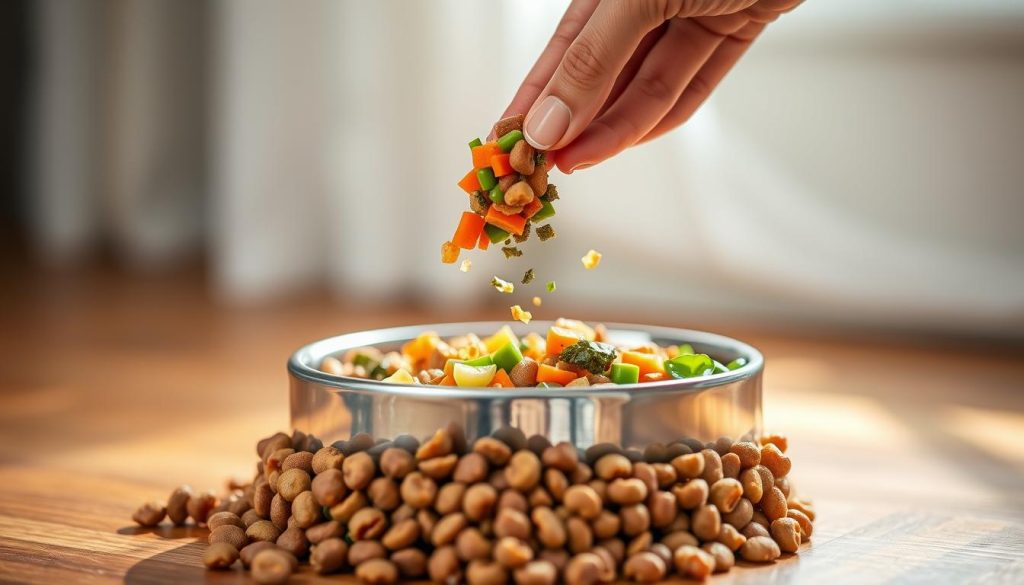
Try combining crunchy kibble with a spoonful of warm, savory wet food or a splash of low-sodium bone broth. This simple technique adds moisture and aroma, which often encourages even the pickiest eaters to dive right in.
The Importance of a Balanced Diet
While flavor is important, your primary goal should always be long-term wellness. Proper meal planning for dogs ensures that every bowl contains the right ratio of proteins, fats, and carbohydrates.
A balanced diet provides the energy your dog needs to stay active and the vitamins required for a strong immune system. When you prioritize nutrient density, you ensure your companion thrives while enjoying every meal you serve.
Main Section 3: Practical Meal Ideas for Picky Dogs
Transforming your dog’s mealtime from a chore into a celebration is easier than you might think. By focusing on fresh, high-quality components, you can encourage even the most stubborn eaters to enjoy their food. Small adjustments often lead to big changes in your pet’s appetite and overall enthusiasm.
Homemade Recipe Inspirations
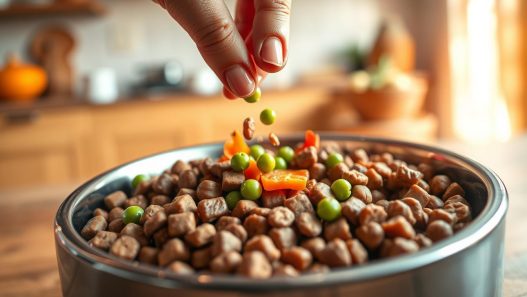
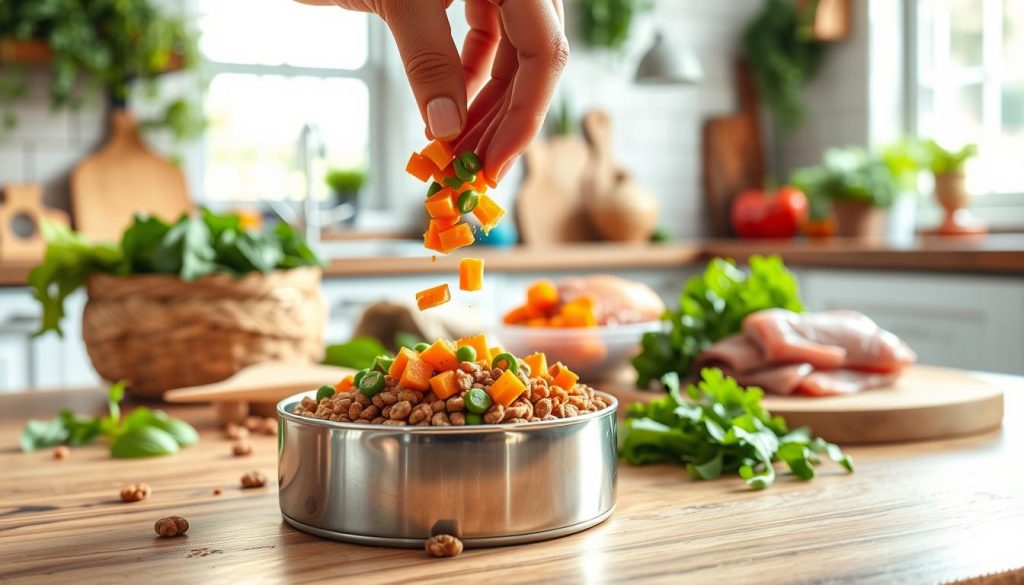
Preparing homemade dog meals does not require you to be a professional chef. You can start by mixing lean proteins like boiled chicken or turkey with steamed vegetables such as carrots and green beans. These healthy ingredients provide essential nutrients while offering a texture that many dogs find irresistible.
“The secret to a happy dog is often found in the simplicity of their bowl, where love meets nutrition in every bite.”
Creative Meal Combinations
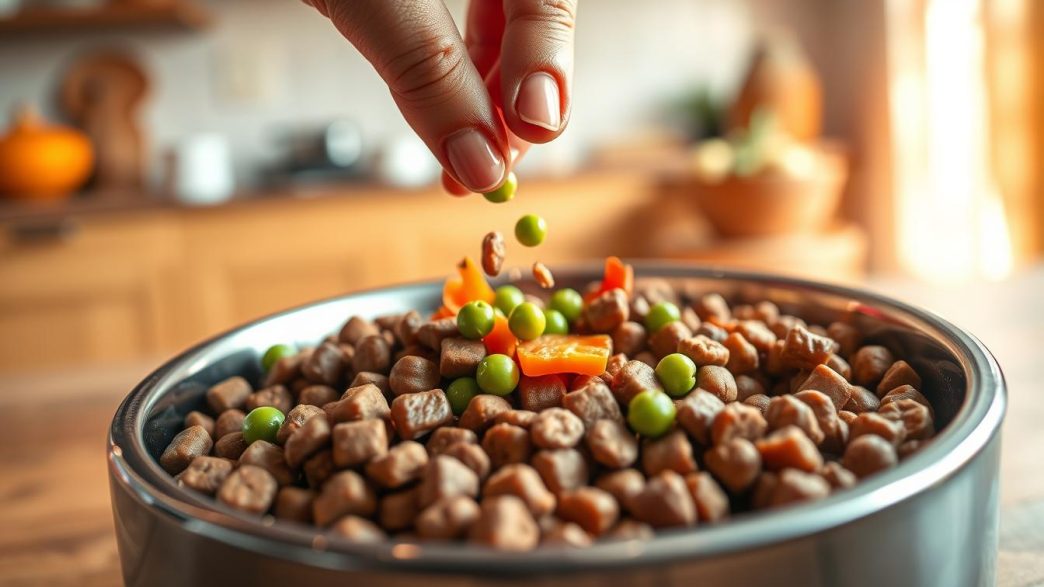
If you prefer to keep using standard kibble, you can easily enhance it with dog food toppers. A spoonful of plain Greek yogurt or a drizzle of low-sodium bone broth can completely change the sensory experience for your pet. These additions add moisture and flavor without the need for complex preparation.
Try rotating different toppers throughout the week to keep things interesting. You might find that your dog prefers a sprinkle of freeze-dried liver one day and a bit of mashed pumpkin the next. This variety keeps your pup engaged and prevents mealtime boredom.
Incorporating Leftovers Safely
Many common kitchen leftovers can be safely repurposed into homemade dog meals, provided you follow strict safety standards. Always ensure that any human food you share is free from onions, garlic, grapes, and excessive salt or seasonings. When in doubt, stick to plain, cooked meats and simple vegetables.
Using dog food toppers made from your own dinner leftovers is a great way to reduce waste while treating your pet. Just remember that these additions should only make up a small portion of their total daily intake. Balancing these treats with healthy ingredients ensures your dog maintains a stable and nutritious diet every single day.
Main Section 4: Tips for Transitioning to New Foods
Successfully introducing new flavors to your pup is a journey that rewards patience and careful planning. When you decide to upgrade your dog’s nutrition, the method you use matters just as much as the ingredients. Proper meal planning for dogs ensures that their digestive system remains stable while they explore exciting new tastes.
Gradual Introduction of New Foods
Abrupt changes in a canine diet often lead to unwanted gastrointestinal upset. To prevent this, you should mix the new food with the old food over a period of seven to ten days. This slow process allows your dog to adjust to the nutrient profile of their new homemade dog meals without stress.
Start by replacing only a small portion of the current food with the new option. Gradually increase the ratio of the new meal while decreasing the old one until the transition is complete. This steady approach is the gold standard for maintaining a healthy gut.
If you notice any signs of discomfort, simply slow down the process by keeping the ratio the same for an extra day or two. Consistency is key to successful meal planning for dogs. Below is a simple guide to help you manage this change effectively.
| Days | Old Food Ratio | New Food Ratio |
|---|---|---|
| 1-3 | 75% | 25% |
| 4-6 | 50% | 50% |
| 7-9 | 25% | 75% |
| 10+ | 0% | 100% |
Using Positive Reinforcement
Patience is your best tool when your pup is hesitant to try something different. You can use dog food toppers to make the new meal more enticing and rewarding. A little bit of extra flavor can go a long way in building confidence during mealtime.
Always offer plenty of verbal praise when your dog eats their new homemade dog meals. Positive reinforcement creates a happy association with the food, making them more likely to accept it in the future. If they seem unsure, try adding healthy dog food toppers like a sprinkle of steamed vegetables or a small amount of broth to spark their interest.
“The secret to a healthy dog is not just in the bowl, but in the gentle encouragement provided during every meal.”
Remember that every dog moves at their own pace. By staying positive and consistent, you will successfully expand their palate and improve their overall well-being.
Conclusion
Turning your kitchen into a hub for canine health requires patience and a bit of culinary flair. You hold the power to change how your pet views their bowl by paying close attention to specific dog food preferences.
Consistency remains the secret ingredient for long-term success. By offering high-quality, balanced meals, you support your pet’s vitality for years to come. Small, gradual shifts in ingredients often yield the best results for picky eaters.
Brands like Purina Pro Plan or Blue Buffalo offer diverse options that help you explore what your dog enjoys most. Keep a simple log of which proteins or textures spark excitement during dinner. This data helps you refine your approach to dog food preferences over time.
Your journey toward better canine nutrition starts with one healthy choice at a time. Share your favorite homemade recipes or successful ingredient swaps with other pet parents in your community. Your experiences provide valuable insights for those struggling with similar feeding challenges.