



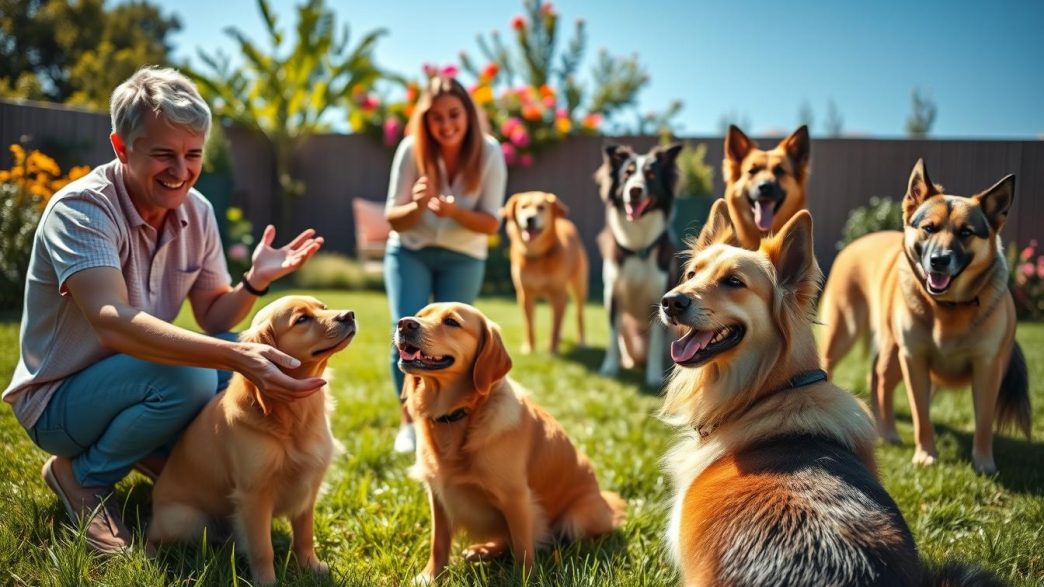
Building a harmonious life with your canine companion starts with how you communicate. Many experts now agree that reward-based systems are the gold standard for modern dog training. By focusing on what your pet does right, you create a bridge of trust that lasts a lifetime.
Using positive reinforcement training methods helps your furry friend feel safe and eager to learn. Instead of relying on fear or dominance, you encourage good choices through praise and treats. This approach fosters a deep, cooperative bond that makes daily life much more enjoyable for everyone in your household.
When you prioritize encouragement, you transform your pet into a happy and responsive partner. This guide will show you how to implement these strategies effectively. Get ready to see your relationship with your dog flourish through kindness and consistency.
Key Takeaways
- Reward-based systems build stronger bonds between owners and pets.
- Veterinary behaviorists consider this approach the gold standard for success.
- Focusing on desired actions creates a more confident and happy animal.
- Consistency in your approach leads to faster and more reliable results.
- Kindness fosters a cooperative environment that reduces stress at home.
Understanding Positive Reinforcement
Many pet owners find that the secret to a well-behaved dog lies in the science of positive reinforcement. This approach focuses on rewarding the actions you want to see more often, rather than focusing on punishment. By shifting your perspective, you can create a communication style that your dog truly understands.
What is Positive Reinforcement?
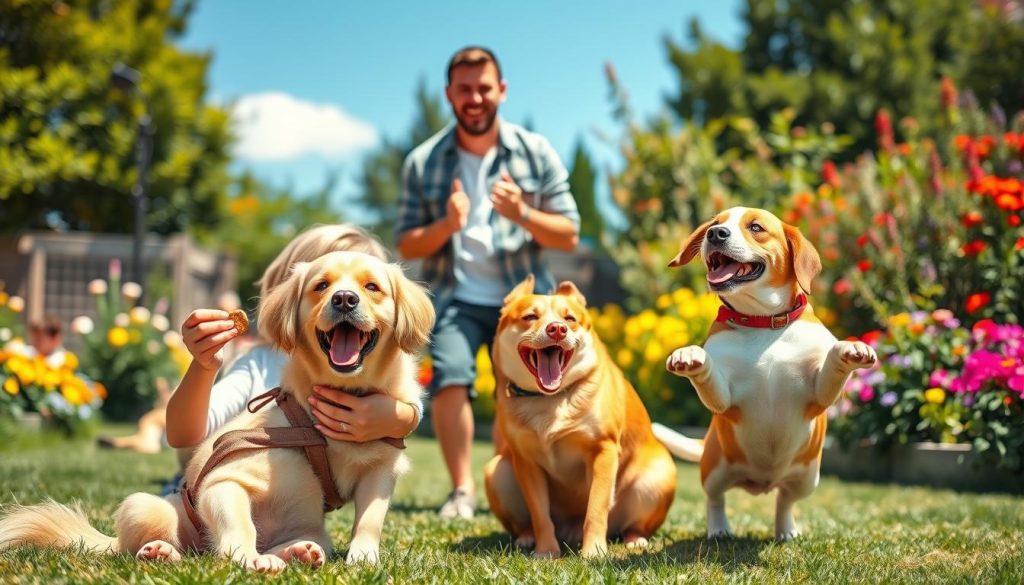
At its core, this method involves adding a pleasant consequence immediately after a desired behavior occurs. When your dog sits on command and receives a treat, they learn that sitting leads to a positive outcome. This simple psychological principle encourages the dog to repeat the action in the future.
Consistency is the engine that drives this process. By marking the exact moment of success with a clicker or a verbal cue, you help your pet connect their choice to the reward. This clarity makes learning faster and much more enjoyable for both of you.
Benefits of Positive Reinforcement
Using this technique is a powerful tool for behavior modification that builds long-term trust. Unlike fear-based methods, reward-based training strengthens the bond between you and your pet. Your dog learns to look to you for guidance rather than acting out of anxiety.
This approach also fosters a more confident animal. When dogs feel safe to experiment with behaviors to earn rewards, they become more engaged and eager to learn. You will likely notice that your dog becomes more attentive and responsive to your cues over time.
Common Myths about Positive Reinforcement
Some people worry that using treats will lead to a spoiled or demanding pet. However, this is a common misconception. When applied correctly, rewards are simply a form of payment for a job well done, much like a paycheck for a human.
Another myth suggests that this method is less effective for serious behavior modification. In reality, scientific studies show that positive methods often yield more permanent results than punitive ones. By focusing on what your dog does right, you create a foundation of mutual respect that lasts a lifetime.
Fundamental Training Techniques
Mastering effective training techniques is the cornerstone of a harmonious relationship with your canine companion. By focusing on clear communication and positive reinforcement, you can shape your dog’s behavior in a way that feels rewarding for both of you. Consistency remains the most vital element when teaching your pet new skills.
Basic Commands: Sit, Stay, and Come
Teaching your dog to sit, stay, and come provides the structure they need to feel secure. To teach “sit,” hold a high-value treat near your dog’s nose and slowly move it upward, allowing their head to follow and their bottom to lower naturally. Once they sit, immediately reward them with the treat and verbal praise.
For “stay,” start with short durations and small distances. Use a flat palm signal and reward your dog only when they remain in place for the requested time. When practicing “come,” always use an enthusiastic tone to ensure your dog associates returning to you with a positive experience.
Addressing Barking with Rewards
Excessive barking often stems from boredom or a desire for attention. Instead of scolding, which can increase anxiety, try to redirect your dog’s focus toward a quiet behavior. When your dog stops barking, offer a treat or a favorite toy to reinforce the silence.
Positive reinforcement works best when you catch your dog being quiet. By rewarding them for choosing to remain calm, you teach them that silence is more beneficial than noise. This approach helps lower their stress levels while keeping your home peaceful.
Leash Manners: Walking Without Pulling
Improving your dog’s leash manners is essential for enjoyable outdoor adventures. If your dog pulls, stop walking immediately and wait for them to return to your side or look back at you. Once the leash is loose, resume walking as a reward for their calm behavior.
Consistency is the secret to success during these walks. Never allow your dog to reach a destination by pulling on the leash, as this accidentally rewards the behavior. With patience and practice, your daily walks will become a relaxing bonding experience for both you and your pet.
Tackling Behavioral Challenges
When your dog faces difficulties, effective behavior modification strategies can turn stress into success. Every pet owner encounters hurdles, but these moments offer a unique chance to grow closer to your companion. By using gentle, consistent methods, you can help your dog navigate these challenges with confidence.
Separation Anxiety Solutions
Many dogs experience separation anxiety when left alone, leading to pacing, barking, or destructive habits. To help your dog feel secure, start by practicing short departures that gradually increase in length. This process teaches your pet that you will always return, which builds essential trust.
You can also provide engaging puzzle toys or treats to keep their mind occupied while you are away. Creating a calm departure routine helps signal to your dog that being alone is a safe and normal part of the day. Consistency is the most important factor in overcoming this common stressor.
Crate Training Success
Successful crate training provides your dog with a personal sanctuary where they can relax and feel protected. It is vital to make the crate a positive space by filling it with soft bedding and favorite toys. Never use the crate as a form of punishment, as this will create negative associations.
Start by leaving the door open and rewarding your dog for entering the space on their own. Once they are comfortable, you can begin closing the door for short periods while you remain nearby. Over time, your dog will view the crate as their happy place for rest and quiet time.
Socialization Tips for Puppies
Proper puppy socialization is the foundation for raising a well-adjusted and friendly adult dog. Exposing your puppy to new sights, sounds, and surfaces in a controlled way helps them become more resilient. Always ensure these experiences are positive and allow your puppy to retreat if they feel overwhelmed.
Consider inviting friends over or visiting quiet parks to introduce your puppy to different people and environments. Patience is key during this phase, as every puppy learns at their own pace. By prioritizing these experiences, you ensure your young dog grows into a confident companion who handles new situations with ease.
Creating a Positive Training Environment
A calm and focused environment is the secret weapon for successful pet training. When you prepare your home properly, you help your dog focus on the task at hand rather than external chaos. By using positive reinforcement, you can turn your living room into a productive classroom that encourages learning and growth.
Setting Up for Success
To begin, identify a quiet area in your home free from loud noises or heavy foot traffic. Removing distractions allows your dog to concentrate on your voice and body language. Clear cues are essential here, as they provide the structure your pet needs to understand what you expect during each session.
Consistency is Key
Consistency serves as the foundation for all effective training techniques. If you change your commands or expectations frequently, your dog will likely become confused and frustrated. You must ensure that every family member follows the same rules to reinforce new habits effectively.
When everyone in the household uses the same signals, your dog learns much faster. Consistency prevents confusion and builds a sense of security for your pet. This reliability makes the entire process smoother for both you and your furry companion.
Utilizing Rewards Effectively
Timing is the most critical element when you want to reward a specific action. You should aim to deliver a treat or praise the exact second your dog performs the desired behavior. This precise timing helps your dog connect the action to the reward, which is a core principle of positive reinforcement.
Using high-quality training techniques requires you to be observant and quick. If you wait too long, your dog might become distracted by something else, losing the connection between the behavior and the prize. Always keep your rewards ready to ensure you never miss the perfect moment to mark a success.
Conclusion
Your journey toward a well-behaved pet relies on the simple power of kindness. Consistent, reward-based training changes how your dog views the world and their place within your home.
Patience serves as your greatest asset when teaching new skills. Every small victory builds trust and strengthens the connection you share with your canine companion.
Brands like Purina or Zuke’s offer high-quality treats that make these moments of learning even more rewarding. Using these tools helps turn daily practice into a fun game for both of you.
Focus on the progress you see each day rather than aiming for instant perfection. A calm approach creates a secure environment where your dog feels confident and eager to please.
You hold the key to a harmonious life with your pet. Start your next training session with a positive mindset and watch your relationship grow stronger every single day.