
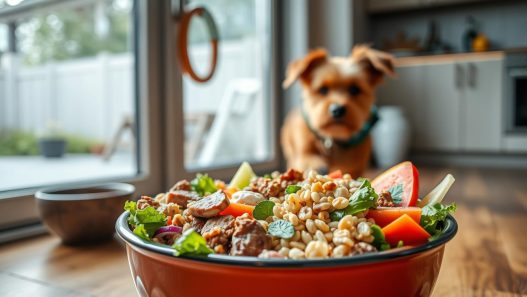

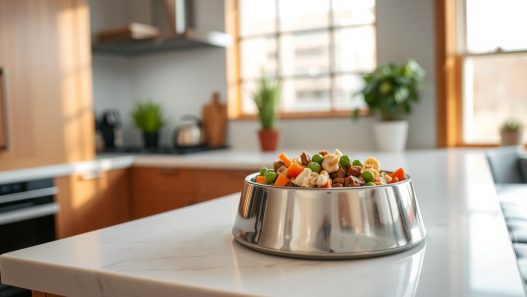
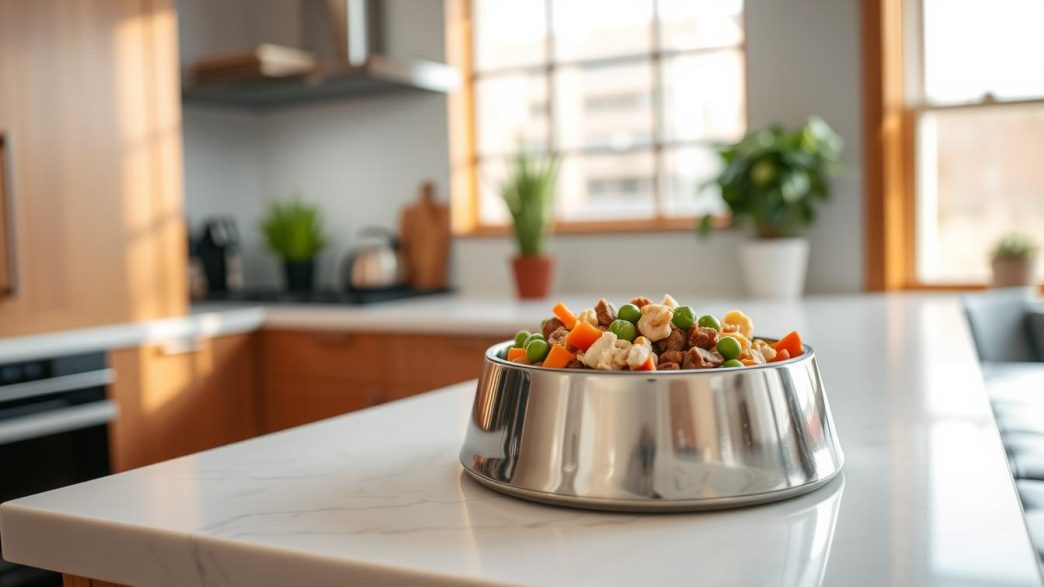
Does your heart sink when you place a bowl of kibble down, only to watch your furry companion turn away in disdain? You are certainly not alone. Many pet parents face the daily struggle of managing a pet that refuses standard meals.
It is exhausting to worry if your best friend is getting enough fuel to thrive. However, finding the right balance between taste and healthy dog nutrition is entirely possible with a little patience.
Understanding the behavioral nuances of canine dining helps transform mealtime from a stressful chore into a bonding experience. By focusing on dog nutrition for picky eaters, you can make informed, compassionate choices that satisfy even the most stubborn appetites. Let’s explore how to keep your pup happy, satisfied, and thriving every single day.
Key Takeaways
- Recognize that mealtime rejection is a common challenge for many pet owners.
- Prioritize high-quality ingredients to ensure your pet receives essential vitamins.
- Observe your pet’s behavioral cues to understand their unique flavor preferences.
- Consult with a veterinarian to rule out underlying health issues before changing diets.
- Introduce new foods gradually to avoid digestive upset and maintain consistency.
Main Section 1: Understanding Your Picky Eater
Does your furry friend act like a food critic at every meal? It can be incredibly frustrating when your dog refuses to eat, but understanding the underlying cause is the first step toward finding a solution. By observing your pet closely, you can determine if the issue is a temporary phase or a deeper problem.

Common Reasons for Picky Eating
Before trying new picky eater strategies, you must rule out health concerns. Sometimes, a lack of appetite is a sign of dental pain, digestive issues, or underlying illness. If your dog suddenly stops eating or shows signs of lethargy, a visit to the veterinarian is always the safest choice.
If your vet gives a clean bill of health, the behavior is likely rooted in habit or preference. Some dogs are simply bored with their current kibble, while others may have learned that refusing food leads to getting tastier treats instead. Identifying these patterns helps you adjust your approach effectively.
Knowing Your Dog’s Unique Tastes
Every dog has a unique palate, much like humans. Some prefer strong, savory aromas, while others might enjoy specific textures like crunchy bits mixed with soft toppers. Paying attention to what your dog gravitates toward can help you create tasty dog meals that they actually look forward to eating.
Consider the environment where you feed your pet as well. Some dogs feel anxious eating in high-traffic areas or near other pets, which can suppress their appetite. Creating a calm, quiet space can make a significant difference in their willingness to finish their bowl.
The Role of Routine and Feeding Habits
Consistency is the foundation of a healthy appetite. Dogs thrive on predictability, and establishing a strict feeding schedule helps regulate their hunger cues. When you provide meals at the same time every day, your dog learns to anticipate and appreciate their food.
Avoid the temptation to leave food out all day, as this can lead to grazing and disinterest. Instead, offer a meal for a set period and remove it if they do not eat. This simple habit reinforces that mealtime is a special event rather than an optional activity.
| Indicator | Medical Concern | Behavioral Preference |
|---|---|---|
| Appetite Change | Sudden and total refusal | Gradual pickiness |
| Energy Levels | Lethargic or weak | Normal and playful |
| Physical Signs | Vomiting or diarrhea | Healthy and active |
| Response to Treats | Refuses all food | Eats treats but not kibble |
Main Section 2: Nutrient-Rich Ingredients Your Dog Will Love
Elevating your dog’s diet starts with selecting the right building blocks for every meal. By focusing on whole, high-quality ingredients, you can provide flavor-packed nutrition that satisfies your pet’s biological needs while keeping them excited for every bowl. Creating tasty dog meals is entirely possible when you understand how to combine textures and aromas effectively.
Protein Sources That Pack a Punch
Protein is the foundation of a healthy canine diet. To keep your dog interested, try rotating between different high-quality sources rather than sticking to just one type of meat.
- Lean Chicken or Turkey: Highly digestible and great for sensitive stomachs.
- Beef or Bison: Rich in iron and provides a robust flavor profile.
- White Fish: An excellent source of lean protein that adds variety to your dog meal ideas.
Flavorful Veggies and Grains
Vegetables and grains provide essential vitamins, minerals, and fiber that support digestion. Many dogs enjoy the natural sweetness of certain produce, which can make their food much more appealing.
Consider adding steamed carrots, green beans, or sweet potatoes to your dog’s bowl. These ingredients offer a satisfying crunch and a boost of antioxidants. Whole grains like quinoa or brown rice can also serve as a great base for flavor-packed nutrition, providing sustained energy throughout the day.
Delicious Fats for Healthy Meals
Healthy fats are the secret ingredient that makes food smell and taste irresistible to dogs. They are vital for skin health, coat shine, and brain function.
Adding a small amount of salmon oil or a teaspoon of coconut oil can transform a plain meal into a gourmet experience. These fats enhance the sensory appeal of your tasty dog meals, ensuring your pet finishes every bite. Always introduce new fats slowly to ensure they agree with your dog’s digestive system.
Main Section 3: Adding Excitement to Meals with Creative Techniques
Transforming your dog’s daily bowl into a culinary adventure is easier than you might think. By introducing small changes to how you serve food, you can turn a routine meal into a rewarding experience. These simple adjustments help keep your pet interested and eager for every bite.
Homemade Broths and Sauces
One of the most effective ways to boost interest is by using dog food toppers. A warm, homemade broth adds moisture and a savory aroma that makes dry kibble much more appealing. You can easily simmer chicken or beef bones with water to create a flavor-packed nutrition boost without any harmful additives like onions or garlic.
These liquids soften the food and provide extra hydration, which is great for dogs who do not drink enough water. Simply pour a small amount over the top of their regular meal to entice even the pickiest eaters. This method ensures your dog receives a delicious meal that smells as good as it tastes.
The Power of Texture
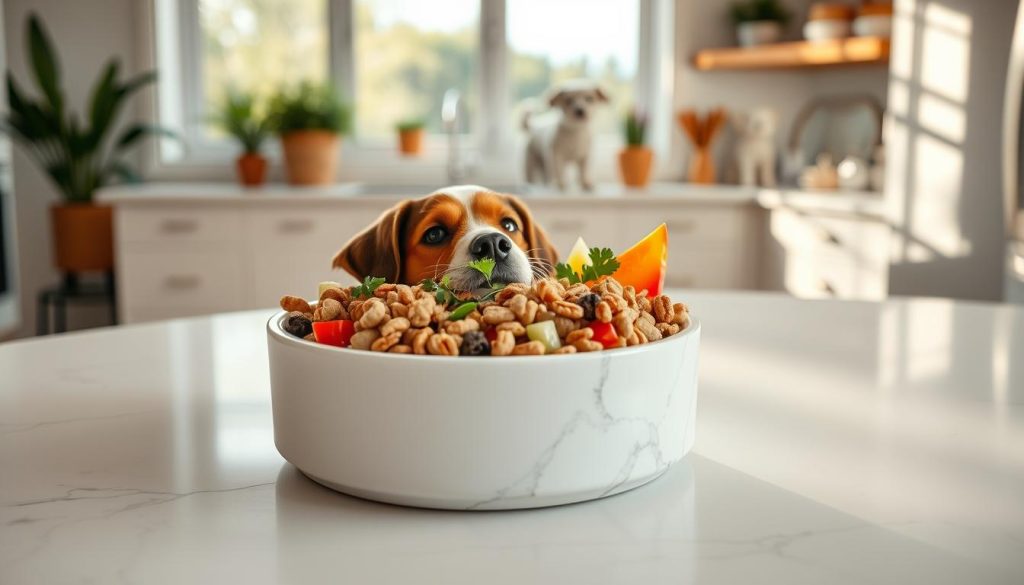
Sometimes, the secret to better dog meal ideas lies in the texture of the food. Dogs often enjoy a mix of crunchy and soft components in their bowl. You can achieve this by adding fresh, steamed vegetables or a spoonful of plain, unsweetened yogurt to their kibble.
Changing the consistency prevents boredom and keeps your dog curious about what is coming next. Experimenting with different combinations allows you to see what your pet prefers most. Always introduce new items slowly to ensure they agree with your dog’s digestion.
Interactive Feeding Techniques
Feeding time should be more than just a bowl on the floor. Using interactive feeding techniques taps into your dog’s natural foraging instincts, making them work slightly for their reward. Puzzle feeders or snuffle mats are excellent tools to slow down fast eaters and provide mental stimulation.
When a dog has to “hunt” for their food, they often find the process much more satisfying. This engagement turns a mundane task into a fun game that builds confidence and focus. Consider these options to enhance your daily routine:
| Method | Primary Benefit | Best For |
|---|---|---|
| Homemade Broths | Flavor-packed nutrition | Picky eaters |
| Texture Mix-ins | Sensory variety | Bored dogs |
| Puzzle Feeders | Mental stimulation | Active dogs |
Main Section 4: Effective Label Reading and Meal Planning
Taking control of your pet’s diet starts with understanding what is actually inside the bag. Many owners feel overwhelmed by long lists of scientific names, but learning to decode these labels is vital for healthy dog nutrition. By focusing on the first five ingredients, you can quickly determine if a product offers the quality your companion deserves.
Understanding Dog Food Labels
Always look for a named protein source, such as chicken, beef, or salmon, as the very first ingredient. Avoid bags that list generic terms like “meat meal” or “animal fat,” as these lack transparency. High-quality foods prioritize whole ingredients over cheap fillers like corn or soy, which offer little nutritional value.
Check the guaranteed analysis section to ensure the protein and fat percentages align with your dog’s activity level. A balanced diet should also include essential vitamins and minerals without excessive artificial preservatives. Being an informed shopper helps you avoid marketing gimmicks that hide poor ingredient quality.
Meal Planning for Balanced Nutrition
Consistency is the cornerstone of a happy, healthy pet. When you plan meals in advance, you ensure that every bowl provides the right balance of nutrients. Start by calculating your dog’s daily caloric needs based on their weight, age, and activity level.
You can create a weekly menu that rotates different proteins and vegetables to keep things interesting. This approach prevents boredom and ensures your dog receives a wide spectrum of vitamins. Remember to account for any treats given throughout the day to avoid overfeeding.
Preparing for Success: Batch Cooking and Storage
Efficient dog meal prep is a game-changer for busy schedules. By dedicating a few hours on the weekend to batch cooking, you can have healthy portions ready for the entire week. Simply portion out the meals into airtight containers and store them in the refrigerator or freezer.
Proper storage is essential to maintain freshness and prevent spoilage. Always label your containers with the date to ensure you use the oldest meals first. This simple habit saves time and guarantees that your dog always has a nutritious meal waiting.
| Ingredient Type | What to Look For | What to Avoid |
|---|---|---|
| Protein | Whole meats (Chicken, Beef) | Meat by-products, generic “meat” |
| Carbohydrates | Sweet potatoes, brown rice | Corn syrup, excessive wheat |
| Fats | Salmon oil, flaxseed | Rendered animal fat |
| Additives | Natural preservatives (Vitamin E) | Artificial colors, BHA/BHT |
Conclusion
Transforming your pet’s relationship with food requires a blend of patience and consistent habits. You now possess the tools to navigate dog nutrition for picky eaters with confidence and ease.
Focus on the small wins during each meal. Your dedication to high-quality ingredients and creative serving styles makes a lasting impact on your dog’s health. Every adjustment you make brings you closer to a balanced diet that your companion truly enjoys.
Observe your dog closely as you introduce new flavors or textures. Their preferences might shift as they age, so stay flexible with your approach. Mastering dog nutrition for picky eaters is a journey that strengthens the bond between you and your pet.
Share your experiences with other dog moms in your community. Your insights help others find the right path for their own selective eaters. Keep experimenting with healthy recipes and watch your dog thrive at every mealtime.