

Walking your dog should be a peaceful escape, not a stressful tug-of-war. Many owners struggle with daily outings, but building a strong bond starts with clear communication. By focusing on leash manners training, you can turn every walk into a calm adventure for both you and your companion.
Consistency is the secret ingredient to success. When you set clear expectations early, your dog learns to look to you for guidance. These simple pet parent tips help you navigate busy streets and quiet parks with newfound confidence.
Positive reinforcement creates a foundation of trust that lasts a lifetime. Instead of focusing on frustration, celebrate the small wins during your journey together. With patience and the right approach, you will transform your daily routine into a rewarding experience that strengthens your connection.
Key Takeaways
- Establish clear boundaries early to ensure consistent behavior during walks.
- Use positive reinforcement to reward calm focus and engagement.
- Prioritize patience to build mutual trust between you and your dog.
- Transform stressful outings into opportunities for meaningful bonding.
- Maintain a steady routine to help your pet feel secure and confident.
Main Section 1: Understanding Leash Manners
Mastering the art of the walk begins with a clear understanding of how your dog perceives the world. When you step outside, your pet is bombarded with new scents, sounds, and sights that trigger natural instincts. Proper leash training helps bridge the gap between these instincts and the expectations of a human-led walk.
What Are Leash Manners?
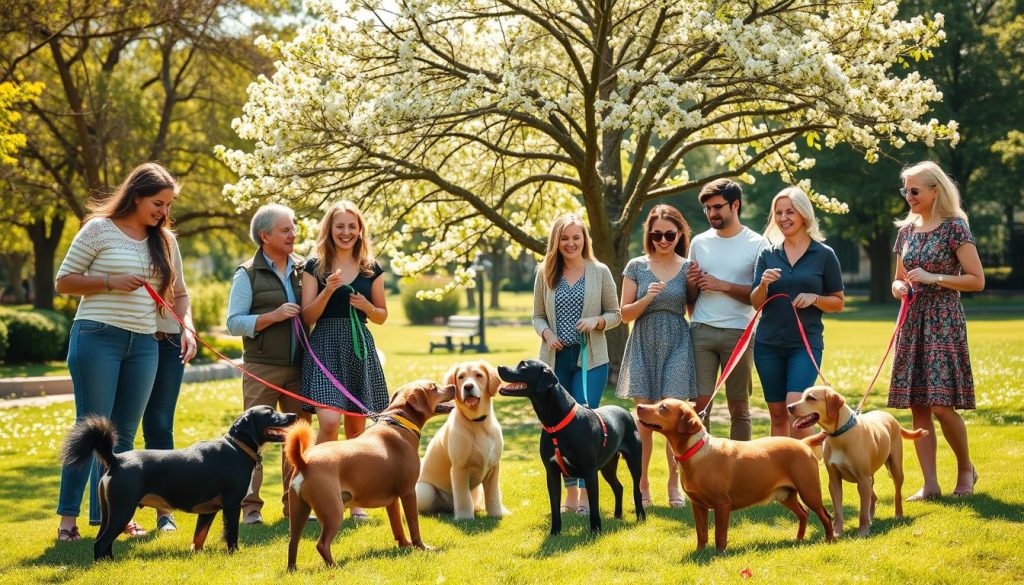
Leash manners refer to the ability of a dog to walk calmly by your side without pulling or straining against the equipment. It is not about strict obedience or rigid heel commands, but rather about maintaining a relaxed connection between you and your pet. A dog with good manners understands that the leash is a tool for communication, not a tether for a power struggle.
Common Issues Encountered
Many owners face significant hurdles during dog walking, often stemming from a misunderstanding of canine behavior. When a dog pulls, they are often simply trying to reach an interesting smell or greet a friend. However, if this behavior is not addressed, it can lead to lunging or even dangerous situations in public spaces.
- Excessive pulling toward distractions.
- Lunging at other dogs or people.
- Refusing to move due to fear or overstimulation.
Benefits of Good Leash Manners
Investing time in training yields long-term rewards for both you and your furry friend. A well-behaved dog is safer in traffic and less likely to cause accidents. Furthermore, dog walking becomes a peaceful bonding experience rather than a stressful chore. By focusing on positive canine behavior, you ensure that every outing is enjoyable and stress-free.
| Behavior Type | Impact on Walk | Training Priority |
|---|---|---|
| Loose Leash | Relaxed and safe | High (Maintenance) |
| Constant Pulling | Stressful and risky | Critical (Immediate) |
| Reactive Lunging | Dangerous and chaotic | Urgent (Safety) |
Main Section 2: The Basics of Positive Reinforcement
Creating a cooperative partnership with your canine companion begins with clear communication. By focusing on what your dog does right, you build a foundation of trust that makes learning enjoyable for both of you.
Understanding Positive Reinforcement
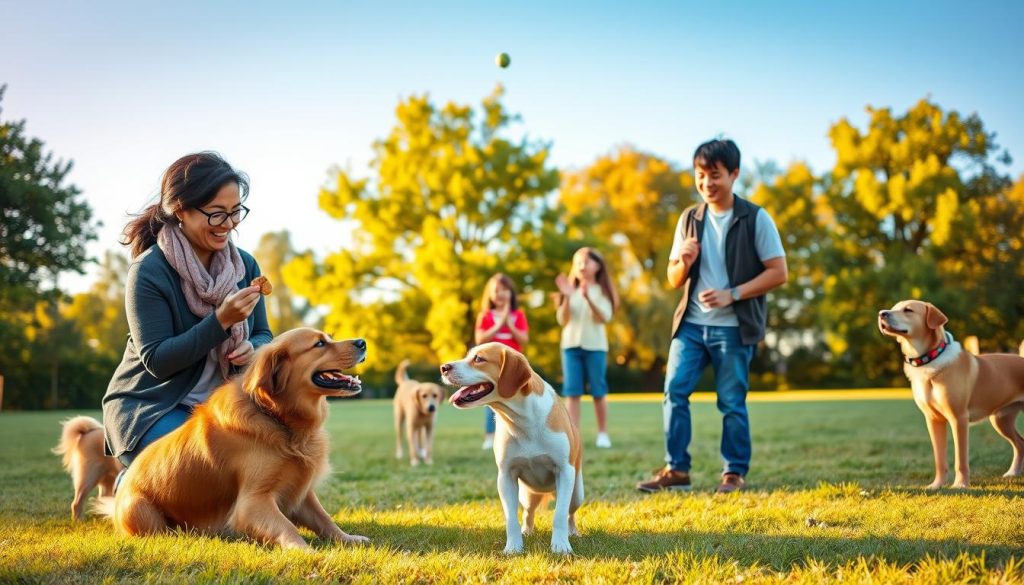
At its core, positive reinforcement involves rewarding a behavior you want to see repeated. When your dog performs a desired action, providing an immediate reward increases the likelihood that they will choose that behavior again in the future.
This method is widely considered the most effective way to improve dog obedience. It shifts the focus from correcting mistakes to celebrating successes, which keeps your pet engaged and eager to learn.
Choosing the Right Rewards
Not all rewards are created equal, and finding what motivates your specific dog is essential. While some dogs are driven by small, tasty treats, others might prefer a favorite toy or enthusiastic verbal praise.
To achieve the best results in dog obedience, identify “high-value” rewards that your pet finds irresistible. Using these special incentives during training sessions ensures your dog stays focused and motivated to perform.
Timing and Consistency
The success of positive reinforcement relies heavily on your ability to mark the behavior at the exact moment it happens. If you wait too long to provide a reward, your dog may become confused about which action earned the prize.
Consistency is equally vital for long-term success. Ensure that everyone in your household follows the same rules and uses the same cues. When your dog knows exactly what to expect, they can learn new skills with confidence and speed.
Main Section 3: Training Techniques for Leash Manners
Transforming your daily walk into a peaceful experience starts with mastering specific training techniques. When you provide clear guidance, your dog learns that walking by your side is the most rewarding place to be. By utilizing positive reinforcement, you create a cooperative partnership that makes every outing enjoyable.
The “Loose Leash” Technique
The goal of this method is to keep the leash in a “J” shape, indicating there is no tension between you and your pet. You should reward your dog frequently for staying within a comfortable distance of your leg.
- Keep high-value treats in your pocket for quick access.
- Mark the desired behavior with a clicker or a verbal “yes” the moment the leash stays slack.
- Practice in low-distraction areas like your living room before heading outside.
Stop-and-Go Method
If your dog begins to pull, the stop-and-go approach is one of the most effective training techniques to discourage the behavior. The moment the leash goes tight, you should stop walking immediately and become a “tree.”
Wait for your dog to look back at you or take a step toward you to create slack. Once the tension is gone, offer praise and continue walking. This teaches your dog that pulling results in a temporary halt, while a loose leash allows the walk to continue.
Distraction Training
Real-world environments are full of exciting sights and sounds that can break your dog’s focus. Implementing positive reinforcement during these moments helps your pet prioritize your presence over external stimuli.
Try these steps to improve focus:
- Start at a distance from the distraction, such as a park or a busy street.
- Ask for a simple command like “sit” or “watch me” when a distraction appears.
- Reward your dog immediately for choosing to look at you instead of the environment.
Consistency is the key to success. With regular practice, your dog will learn to navigate the world calmly while staying connected to you.
Main Section 4: Troubleshooting Common Problems
When your daily walks turn into a tug-of-war, it is time to reassess your approach. Even the most well-behaved dogs can struggle with the environment during a walk. By identifying the root cause of these issues, you can improve your leash training efforts significantly.
Handling Pulling
Pulling often happens because your dog is excited to explore or simply wants to reach a destination faster. Many dogs learn that pulling actually works to get them where they want to go. To change this, you must teach your pet that a tight leash means the walk stops immediately.
Consistency is vital when applying these training techniques. If you allow your dog to pull sometimes, they will continue to try their luck. Always remain stationary until the leash goes slack, then reward your dog for checking in with you.
Dealing with Reactivity
Reactivity is a complex aspect of canine behavior that often stems from fear, frustration, or over-excitement. When your dog sees a trigger, such as another animal or a loud vehicle, they may bark or lunge. The goal is to keep your dog under their threshold where they can still focus on you.
You can manage these moments by increasing the distance between your dog and the trigger. Use high-value treats to redirect their attention back to you before they react. Over time, this helps change their emotional response to the environment.
| Common Issue | Primary Cause | Recommended Solution |
|---|---|---|
| Persistent Pulling | Excitement or habit | Stop-and-go method |
| Leash Reactivity | Fear or frustration | Distance management |
| Ignoring Commands | High distraction | Focus exercises |
Understanding canine behavior allows you to be more patient during difficult walks. By utilizing consistent training techniques, you will build a stronger bond with your pet. Remember that progress takes time, but your dedication to proper leash training will lead to more enjoyable outings for both of you.
Conclusion
Transforming your daily routine into a calm experience requires patience and a steady commitment to positive reinforcement. Every session you spend practicing these methods strengthens the unique connection you share with your pet.
Mastering the art of dog walking is a journey that unfolds over time. You will notice small improvements in focus and behavior as you stay consistent with your training goals.
Applying these practical pet parent tips helps create a predictable environment for your animal. You gain confidence as you navigate busy streets or quiet parks together.
Reliable dog obedience does not happen overnight, but the effort pays off in peaceful outings. Enjoy the process of learning alongside your companion as you build a foundation of trust and mutual respect.
Keep practicing these techniques during your next trip outside. Your dedication ensures many years of happy and stress-free adventures ahead.