

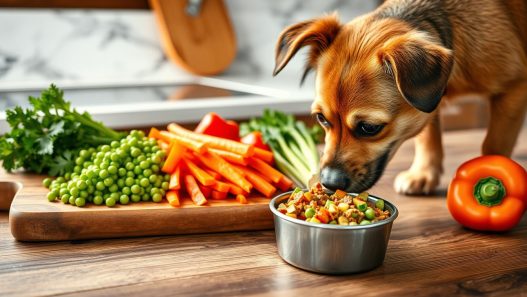


Every pet parent knows the heartache of watching their beloved pup turn up their nose at a carefully prepared bowl of food. It’s a universal struggle that can transform mealtime into a frustrating battle. However, flavorful broths can change that dynamic, turning feeding time into a joyful bonding moment.
In this article, we will explore how to create irresistible options that even the fussiest eaters can’t resist. Picky eating is a common challenge that many face, but the right food choice can significantly impact a dog’s health and happiness.
We will embark on a journey to understand why some dogs become choosy, how much food they actually need, and what types of options are available. From fresh to freeze-dried, there are many choices to consider. Additionally, we will discuss toppers and feeding strategies that can help.
Every dog is unique, and what tempts one may not work for another. This guide will offer a variety of vet-informed options to try. With patience and the right recipe, even the most stubborn eater can learn to enjoy balanced meals again.
Understanding the User Intent Behind Nutritious Meals for Picky Dogs
Seeing your furry friend refuse their food can be disheartening for any pet owner. Many pet parents searching for solutions feel worried and frustrated. They want to find something their pup will eat without sacrificing nutrition. Understanding the reasons behind picky eating is the first step in addressing this challenge.
A dog’s appetite is influenced by various factors. One of the most significant is their sense of smell. Dogs have a superior olfactory sense, making strong, appetizing aromas in food particularly appealing. This is often the first hurdle to overcome when dealing with food picky eaters.
Moreover, taste and texture preferences can vary widely among dogs. Some pups may crave canned chicken-based food, while others might prefer crunchy beefy kibble. Understanding these preferences is crucial in choosing the right meal for your dog.
Additionally, a dog’s internal state plays a role in their appetite. Factors like health, hormones, and feelings of fullness can impact whether they want to eat. A sudden change in eating habits should never be ignored, as it could indicate underlying health issues.
The importance of nutrition cannot be overstated. A dog who skips meals regularly risks missing essential amino acids, vitamins, and minerals needed for energy and overall health. “Nutrition is the foundation of a dog’s well-being,” says Dr. Jane Smith, a veterinarian specializing in canine health.
It’s also important to note that food picky behavior can sometimes be a learned response. Dogs may hold out for something better if they know tastier options are coming. This means consistency and the right food choice matter significantly.
Finding the best dog food for a picky eater is a process of trial and observation. This guide will walk you through every step with expert-backed advice. Before diving into product recommendations, it’s essential to understand the root causes of picky eating and how to distinguish normal preferences from problematic behavior.
| Factor | Impact on Appetite |
|---|---|
| Smell | Strong aromas attract dogs and stimulate appetite. |
| Taste | Preferences vary; some dogs like chicken, others prefer beef. |
| Texture | Crispy kibble vs. soft canned food can influence choices. |
| Health | Illness or discomfort can lead to decreased appetite. |
| Hormones | Hormonal changes can affect hunger levels. |
| Satiety | Feeling full can deter dogs from eating. |
Why Are Some Dogs Picky Eaters?
Many pet owners often find themselves puzzled when their dog refuses to eat. This behavior is rarely a sign of stubbornness. In fact, there are real medical, behavioral, and environmental reasons behind a dog food picky pattern. Understanding these factors is the first step toward solving the problem.
Medical Causes of Picky Eating
Several medical conditions can affect a dog’s appetite. One common issue is dental disease, which can be painful and often occurs below the gum line. This pain may deter a dog from eating. Kidney disease can also lead to nausea, making a dog feel unwell and less likely to eat.
Gastrointestinal blockages from foreign bodies can create discomfort, while arthritis may make it painful for a dog to walk to their food dish. A thorough veterinary exam, including bloodwork and dental X-rays, can help rule out these underlying health issues before labeling a dog as simply food picky.
Behavioral and Environmental Influences
Behavioral factors also play a significant role in a dog’s eating habits. Dogs that receive excessive treats or table scraps may feel too full to find their regular dog food appealing. Some dogs learn that refusing food leads to tastier alternatives, which can reinforce picky eating behavior.
Stress and anxiety can suppress a dog’s appetite as well. Whether it’s harassment from other pets, loud environments, or changes in routine, these factors can create a pattern of picky eating.
Breed, Age, and Life Stage Factors
Breed-specific traits can influence a dog’s food motivation. Some breeds are naturally more food-driven than others. Additionally, age and life stages matter; puppies, seniors, and pregnant or nursing dogs have different nutritional needs and appetite patterns.
Seasonal appetite changes are also common. Many dogs naturally eat less during warmer months or after significant changes in activity levels. This behavior is normal and not a cause for alarm.
If a dog’s eating habits change suddenly or they consistently skip meals, it’s crucial to consult a veterinarian. These changes could signal an underlying medical problem that needs prompt attention.
| Medical Condition | Impact on Appetite |
|---|---|
| Dental Disease | Pain can deter eating. |
| Kidney Disease | Nausea reduces appetite. |
| Gastrointestinal Blockages | Discomfort leads to avoidance. |
| Arthritis | Pain makes reaching food difficult. |
Is Your Dog Truly Picky or Exhibiting Normal Behavior?
Watching a dog turn away from food can be confusing for many pet owners. It’s essential to understand whether your dog is genuinely a picky eater or simply displaying normal food preferences. Distinguishing between the two can help you address their needs effectively.
Normal behaviors include:
- Occasionally skipping a meal.
- Sniffing food and walking away, only to eat later.
- Showing a preference for certain textures or flavors.
However, there are signs that indicate a more serious issue:
- Consistently skipping multiple meals.
- Leaving food untouched for hours or days.
- Refusing to eat unless food is altered or hand-fed.
- Acting nervous around their food bowl.
- Experiencing weight loss, vomiting, or diarrhea.
- Exhibiting lethargy or sudden changes in appetite.
Healthy adult dogs can safely skip a meal occasionally. However, if your dog is a puppy, senior, or has health conditions, it’s crucial to consult a veterinarian if they miss one meal. A vet can help determine whether your dog’s behavior is behavioral or medical.
When to consult a veterinarian:
- If your dog is a puppy or senior.
- If they have a chronic health condition.
- If they haven’t eaten in more than 24-48 hours.
- If they show any signs of illness alongside picky eating.
It’s important to remember that a veterinarian can provide valuable insights into your dog’s health and eating habits. Once medical issues are ruled out, you can focus on understanding how much food your picky eater actually needs to thrive.
| Normal Behavior | Problematic Signs |
|---|---|
| Occasionally skips a meal | Consistently skips multiple meals |
| Sniffs food and walks away | Leaves food untouched for hours or days |
| Prefers certain textures or flavors | Refuses to eat unless food is altered or hand-fed |
| Shows interest in food later | Acts nervous around the bowl |
| Healthy appetite | Weight loss, vomiting, or diarrhea |
How Much Food Should Your Picky Dog Eat?
Understanding the right amount of food for your dog is crucial, particularly when dealing with a fussy eater. Each dog has unique needs based on several factors. These include age, size, activity level, health status, and the specific type of food being offered.
To start, it’s essential to use the feeding chart printed on the dog food label. This chart provides a baseline for how much food your dog should eat daily. However, adjustments may be necessary based on your dog’s individual body condition and response to meals.
Caloric Needs Based on Life Stage and Activity Level
Determining the right portion size is especially critical for a picky eater. A dog who eats inconsistently still needs complete and balanced nutrition to maintain a healthy weight and energy level. Puppies, adult dogs, and seniors have different energy requirements. A food picky eater may need a more calorie-dense formula if they consistently eat less than the recommended portion.
Activity level also plays a significant role. A highly active dog requires more calories per bite, while a sedentary dog may be overfed. This can lead to disinterest in regular dog food, as they might feel full from treats or table scraps.
Using Feeding Charts and Portion Control
It’s advisable to keep a food diary for 3 to 5 days. Record everything your dog consumes, including treats, snacks, and any food used to hide medications. This practice helps assess calorie intake and identify potential overfeeding.
- Use the feeding chart as a starting point.
- Adjust portions based on your dog’s weight and body condition.
- Monitor your dog’s activity level to ensure they are getting the right amount of calories.
- Be mindful of how many treats your dog receives, as too many can disrupt their appetite for regular food.
- Establish a feeding schedule to regulate your dog’s appetite and make mealtime more predictable.
By understanding your dog’s specific needs and maintaining portion control, you can help ensure they receive the right nutrition. This is vital for their health and well-being, especially for those who are selective eaters.
Choosing Nutritious Meals for Picky Dogs: Key Factors to Consider
Choosing the right food for your furry friend can be a daunting task, especially when they are selective eaters. It’s essential to consider several factors to ensure that the food you choose meets their unique needs.
Calorie Density and Balanced Nutrition
The best dog food for picky eaters combines three essential qualities: calorie density for efficient nutrition, balanced nutrients for overall health, and an irresistible aroma, flavor, and texture that tempts even reluctant eaters.
Calorie density matters significantly. A food picky eater who consumes small portions needs a recipe that packs more nutrition per bite. This ensures they still meet their daily requirements for protein, fat, vitamins, and minerals.
Appealing Aroma, Flavor, and Texture
A dog’s powerful sense of smell means that strongly scented foods—especially fresh dog food and wet recipes—are often more enticing than bland kibble. Aroma and flavor play a critical role in attracting picky eaters.
Texture preferences vary widely among dogs. Some may prefer the crunch of dry food, while others love the moisture of canned options. Still, others are drawn to the soft, real-food feel of fresh or freeze-dried alternatives.
Vet-Recommended Ingredients and Standards
When selecting food, look for products that meet AAFCO nutritional adequacy standards for your dog’s specific life stage. Prioritize recipes formulated by board-certified veterinary nutritionists. Diets higher in fat and protein can be more appealing to certain individuals, but these must still be balanced to avoid weight gain or other health issues.
Consider the ingredient list carefully. Named meat sources like chicken, beef, or turkey as the first ingredient signal quality. Avoid artificial additives and fillers that may turn off a discerning pup.
Every food recommended in this roundup has been independently reviewed and rated at least 4 stars by the Dog Food Advisor’s proprietary methodology, ensuring both palatability and nutritional integrity.
Tips for Enticing Your Picky Eater at Mealtime
Transforming mealtime into a delightful experience for your pup can be a rewarding challenge. Implementing a few strategies can help encourage even the most selective eaters to approach their bowl with enthusiasm.
Switching to More Appealing Food Types Gradually
When introducing a new dog food, it’s important to do so gradually. Over a period of 7-10 days, mix increasing amounts of the new food with the old. This approach helps reduce the chances of gastrointestinal upset and gives your dog time to adjust to the new flavor.
Using Food Toppers and Enhancers Wisely
Food toppers can make a big difference in enticing your dog to eat. A spoonful of wet food, a sprinkle of freeze-dried meat, or a dash of low-sodium broth can enhance flavor. However, be cautious—calories from treats and toppers should not exceed 10% of your dog’s total daily intake to maintain a balanced diet.
Warming Food and Establishing Feeding Routines
Warming wet food to around 100°F (38°C) can significantly enhance its aroma, making it more appealing, especially for older dogs or those with a diminished sense of smell. Additionally, establishing a consistent feeding routine is crucial. Serve meals at the same times each day and remove uneaten food after 15-30 minutes. This teaches your dog that food is available only at specific times, sharpening their appetite.
Incorporating Exercise to Stimulate Appetite
Incorporating a brisk walk or a fun play session before meals can naturally stimulate your dog’s hunger. Exercise not only helps keep your pup healthy but also makes them more receptive to eating. It’s important to avoid giving table scraps and excessive treats, as these can fill your dog up and reinforce picky behavior.
Remember, consistency is key. It may take a week or two for your picky eater to adjust to new routines. With patience and persistence, you can create a happier, healthier eating experience for your pup.
Product Roundup: Best Dog Food for Picky Eaters
Finding the right food for your dog can feel like an uphill battle, especially when they are choosy. This product roundup serves as the heart of our article, where you will discover the best dog food options for picky eaters. We have carefully vetted selections across multiple categories: fresh, wet, freeze-dried, and dry. Each option is assessed for quality and palatability.
To ensure that each food earns its place on this list, we applied strict selection criteria. Every product must achieve a minimum 4-star rating from the Dog Food Advisor’s proprietary methodology. This evaluation considers ingredient quality, fat-to-protein ratios, and AAFCO nutritional adequacy tailored to your dog’s life stage.
Criteria for Selection
Expert insights from Dr. Vincent Michels, DVM, reveal that fresh and canned foods often appeal more to picky eaters due to their stronger aroma and flavor. Diets higher in fat and protein can also increase palatability. This roundup includes a variety of formats because every dog is unique. What tempts one food picky eater may not work for another, so we offer options across different textures and protein sources.
Expert Recommendations and Vet Insights
All recommended recipes feature named meat sources like chicken, beef, or turkey as the first ingredient. This ensures high-quality protein that supports muscle maintenance and overall health. Each food has been reviewed by expert animal nutritionist Laura Ward, with input from veterinarians and real dog food consumers. This guarantees real-world palatability and nutritional integrity.
While no single food works for every picky eater, this curated list provides excellent starting points based on expert analysis and thousands of pet parent reviews. You can look forward to exploring categories such as fresh dog food options like Freshpet and The Farmer’s Dog, wet food like JustFoodForDogs Pantry Fresh, freeze-dried picks like Maxbone, and dry food like Orijen.
Best Fresh Dog Foods for Picky Eaters
Finding a meal that your dog will eagerly devour can often feel like a treasure hunt. Fresh dog food is often the gold standard for selective eaters. The real, whole-food ingredients, high moisture content, and natural aromas make these options smell and taste like human food, which dogs find irresistible.
Freshpet Custom Meals: Nutrient-Dense and Natural
Freshpet Custom Meals are a nutrient-dense, natural option made with 100% natural US farm-raised chicken, eggs, carrots, pumpkin, and ground oats. With a dry matter analysis of 47.1% protein and 29.4% fat, these meals provide a satisfying, calorie-dense experience for your pup. Developed by board-certified veterinary nutritionists, Freshpet meets AAFCO standards for all life stages, ensuring a safe and balanced choice for dogs of any age.
Just Food For Dogs Fresh Frozen Chicken & Rice
Just Food For Dogs Fresh Frozen Chicken & Rice is a vet-formulated, human-grade recipe. It features chicken thighs, long grain white and brown rice, chicken liver, and kale, providing 29.7% protein and 12.5% fat on a dry matter basis. These meals can be stored safely for up to two years and only require refrigeration once opened, offering convenience alongside palatability for busy pet parents.
The Farmer’s Dog Beef Recipe Overview
The Farmer’s Dog Beef Recipe is a top choice that derives the majority of its protein from fresh beef. With a dry matter analysis of 39% protein and 29% fat, this option creates a rich, satisfying meal that appeals to beef-loving dogs. One pet parent shared that their very picky eater would only eat Freshpet, while another noted that Just Food For Dogs was the only food their fussy dog would consistently finish.
Fresh food’s high moisture content also supports hydration and can be easier to chew for senior dogs or those with dental issues. This makes it a versatile choice for picky eaters at any life stage.
Top Wet Dog Food Options for Picky Eaters
Finding a satisfying option for your dog can often seem like an impossible task, especially when they have discerning tastes. Wet dog food has emerged as a top choice for many pet owners looking to entice their selective eaters. Its high moisture content—around 75%—helps retain natural flavor and creates a strong, appetizing aroma that dry kibble simply cannot match.
JustFoodForDogs Pantry Fresh Beef & Russet Potato
One standout option is JustFoodForDogs Pantry Fresh Beef and Russet Potato. This recipe features beef and beef hearts as the primary protein sources, along with potatoes, carrots, and sweet potatoes for a hearty, satisfying meal. With an impressive nutritional profile of 28% protein and 28% fat on a dry matter basis, it boasts a fat-to-protein ratio of 100%. This rich, calorie-dense recipe is sure to appeal to dogs who crave bold flavors.
This Pantry Fresh range is vet-recommended and made with human-grade ingredients. It is shelf-stable for up to two years without refrigeration until opened, offering both convenience and quality. The soft, moist texture is easier to chew for seniors or dogs with dental issues, and the gravy-like consistency can be mixed with dry food to boost overall palatability.
Advantages of Wet Food for Picky Dogs
Wet food’s strong aroma can stimulate a dog’s appetite, even when they are feeling under the weather or stressed. This makes it a valuable tool for encouraging consistent eating. Here are some key benefits of wet food:
- High moisture content retains natural flavor and aroma.
- Soft texture is easier for older dogs or those with dental problems.
- Can be used as a complete meal or a topper on dry kibble.
- Stimulates appetite, especially in dogs that may be feeling unwell.
One pet parent shared that their dog relishes whichever fresh food recipe they receive, highlighting the brand’s consistency and appeal. Wet food can truly be a game-changer for those navigating the challenges of feeding a selective pup.
| Product | Main Ingredients | Protein (%) | Fat (%) | Carbohydrates (%) | Fat-to-Protein Ratio |
|---|---|---|---|---|---|
| JustFoodForDogs Pantry Fresh Beef & Russet Potato | Beef, Beef Hearts, Potatoes, Carrots, Sweet Potatoes | 28 | 28 | 36 | 100 |
Leading Freeze-Dried Dog Foods to Tempt Finicky Appetites
Introducing a new type of dog food can feel like a breath of fresh air for those struggling with finicky eaters. Freeze-dried options are gaining popularity among pet parents looking for innovative solutions. These foods combine the nutritional density of raw ingredients with the convenience of dry formulations.
One standout option is the Maxbone Glow Up Turkey Meal. This recipe features farm-raised turkey and turkey liver as primary protein sources. It also includes spinach, sweet potato, and chia seeds, providing a well-rounded diet for your pup.
With an impressive nutritional profile, this meal boasts 49.5% protein and 31.5% fat on a dry matter basis, with only 8% estimated carbohydrates. This combination creates a protein-rich, low-carb meal that satisfies a dog’s natural carnivorous instincts.
This recipe is formulated by a veterinary nutritionist and meets AAFCO standards for all life stages, including large breeds. It’s also grain-free, making it suitable for dogs with sensitivities.
The benefits of freeze-dried food are numerous. The freeze-drying process preserves the food’s natural aroma and flavor, while the crunchy texture provides a satisfying eating experience that many dogs find irresistible.
Here are some reviews from pet parents:
- One owner shared that their 7-year-old Cavalier King Charles Spaniel happily ate for the first time in her life with Maxbone.
- Another mentioned that their picky Chihuahua devoured it immediately.
Freeze-dried food can be served dry as a complete meal or rehydrated with warm water or broth for a softer texture. It can also be crumbled as a topper on other dog food to boost flavor.
Additionally, freeze-dried options are especially useful for travel or busy households. They require no refrigeration and maintain their nutritional integrity for extended periods.
Dry Dog Food Recommendations for Picky Eaters
Choosing the right dry food can be a game-changer for your selective pup. While dry dog food is often less aromatic than wet or fresh options, certain high-quality kibble recipes can still tempt picky eaters. These recipes feature rich meat content and a satisfying crunch that can appeal to even the fussiest eaters.
Orijen Original: High Protein and Balanced Nutrition
Orijen Original stands out as a top recommendation for picky eaters. This dry food features a generous blend of fresh chicken, turkey, salmon, whole herring, and chicken liver as its primary ingredients. This meat-based, biologically appropriate diet is designed to meet the nutritional needs of your dog.
The nutritional profile is impressive, boasting 43% protein and 20% fat on a dry matter basis, with 28% estimated carbohydrates. This combination creates a high-protein, moderate-fat recipe that supports lean muscle and sustained energy for your dog.
Orijen is crafted by Champion Petfoods, a respected manufacturer known for using fresh, regional ingredients. They avoid artificial additives, which enhances the food’s natural flavor and appeal. Additionally, this recipe meets AAFCO standards for all life stages, including large breed puppies. This makes it a versatile choice for multi-dog households or growing pups.
What Makes Dry Food Suitable for Picky Dogs?
Dry food can be suitable for picky eaters for several reasons. The crunchy texture can be satisfying for dogs who enjoy chewing. Furthermore, the concentrated nutrition means even small portions deliver substantial calories and nutrients. This is particularly beneficial for dogs that may not eat large amounts.
Here are some sample reviews from pet parents:
- One pet owner shared that their picky eater eats Orijen as soon as the bowl is placed down.
- Another noted that their Chow Chow will only eat Orijen Regional Red and refuses all other brands.
To enhance the appeal of dry food, consider adding warm water, broth, or a spoonful of wet food. This can release more aroma and make it more enticing for a dog that prefers softer textures.
| Product | Main Ingredients | Protein (%) | Fat (%) | Carbohydrates (%) | Fat-to-Protein Ratio |
|---|---|---|---|---|---|
| Orijen Original | Chicken, Turkey, Salmon, Whole Herring, Chicken Liver | 43 | 20 | 28 | 47 |
Enhancing Meals with Dog Food Toppers for Picky Eaters
Elevating your dog’s dining experience can turn a dull meal into a culinary delight. Dog food toppers are one of the simplest and most effective tools for transforming a boring bowl of kibble into an exciting meal that a picky eater actually looks forward to.
There are various types of toppers available, each with unique benefits:
- Freeze-dried meat crumbles: These add protein and a meaty flavor that many dogs find irresistible.
- Wet food spoonfuls: Adding a bit of wet food can enhance moisture and aroma, making the dish more appealing.
- Bone broth: This adds flavor and hydration, perfect for enticing your pup.
- Pumpkin puree: A healthy option that can aid digestion while providing a sweet taste.
- Plain cooked chicken or beef: These high-value proteins can motivate even the fussiest eaters.
- Commercial topper products: Specifically designed to enhance flavor and aroma, these can be very effective.
The benefits of using toppers are significant. They add moisture, boost aroma, introduce new textures, and provide a flavor punch that can reignite a dog’s interest in their regular food without requiring a complete diet change.
However, it’s essential to follow the golden rule of toppers: calories from treats and toppers should never exceed 10% of a dog’s total daily calorie intake. Otherwise, the diet becomes unbalanced, and the dog may gain unwanted weight.
Here are some practical tips for using toppers without overfeeding:
- Measure portions carefully to avoid excess calories.
- Reduce the base food slightly to compensate for topper calories.
- Choose low-calorie options like broth or vegetables for dogs watching their weight.
Be cautious against using table scraps as toppers. Human foods can be high in fat, sodium, and seasonings that are harmful to dogs, and they can reinforce begging behavior.
To keep mealtime exciting, consider rotating toppers. A picky eater may eventually tire of the same topper, so variety keeps mealtime engaging while still maintaining a consistent base diet.
Remember, toppers are a temporary tool to encourage eating. The goal is to gradually reduce reliance on them as the dog develops more consistent eating habits.
| Type of Topper | Benefits |
|---|---|
| Freeze-dried meat crumbles | Adds protein and flavor |
| Wet food spoonfuls | Enhances moisture and aroma |
| Bone broth | Boosts flavor and hydration |
| Pumpkin puree | Aids digestion and adds sweetness |
| Plain cooked chicken or beef | High-value protein for motivation |
| Commercial topper products | Designed to enhance flavor and aroma |
Considering Homemade Diets for Picky Dogs
Creating a homemade diet can be a tempting solution for those with choosy pups. Many pet parents consider this option because it allows them to control every ingredient and tailor the recipe to their dog’s specific preferences. However, this approach requires careful planning and consideration.
Pros and Cons of Homemade Meals
Homemade diets come with both advantages and challenges. Here are some key points to consider:
- Pros:
- Complete control over ingredient quality.
- The ability to avoid allergens or additives.
- Potential for highly palatable, fresh food that even the fussiest dog may find irresistible.
- Cons:
- Time-consuming and expensive to prepare.
- Often nutritionally incomplete without proper supplementation.
- Can lead to serious health issues over time if not balanced correctly.
It’s crucial to note that an appropriate vitamin and mineral supplement is absolutely essential. It is impossible to meet a dog’s nutrient requirements with human foods alone, no matter how varied the ingredients. Following a precise recipe with specific amounts of each ingredient is mandatory. Ingredients cannot be freely substituted, as each food item has a unique nutrient profile that affects the overall balance.
Unfortunately, most homemade dog diet recipes found online are not designed by nutritionists or veterinarians. Many have been found to be deficient in one or more essential nutrients, putting a dog’s long-term health at risk. Therefore, consulting a veterinarian before starting a homemade diet is strongly recommended. Ask for a referral to a board-certified veterinary nutritionist who can formulate a balanced recipe tailored to your dog’s individual needs.
For most picky eaters, a high-quality commercial fresh or wet food is a safer and more convenient alternative. These options still deliver the real-food taste dogs crave without the nutritional risks associated with homemade diets.
When to Seek Veterinary Advice for Your Picky Dog
Recognizing when your pup’s selective eating may require professional help is essential for their well-being. While many dogs may simply be food picky, certain signs can indicate serious health issues. If your dog hasn’t eaten in more than 24-48 hours, it’s time to consult a veterinarian.
Look out for medical red flags, such as:
- Vomiting or diarrhea
- Lethargy or sudden weight loss
- Any abrupt change in appetite
These symptoms could signal underlying problems like dental disease, kidney issues, or gastrointestinal upsets. A thorough examination, including bloodwork and dental X-rays, can help identify the root cause. Remember, timely intervention can make all the difference in your dog’s health.