

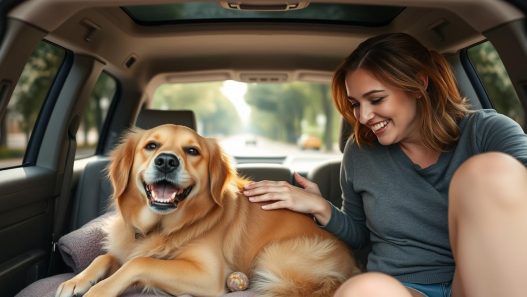
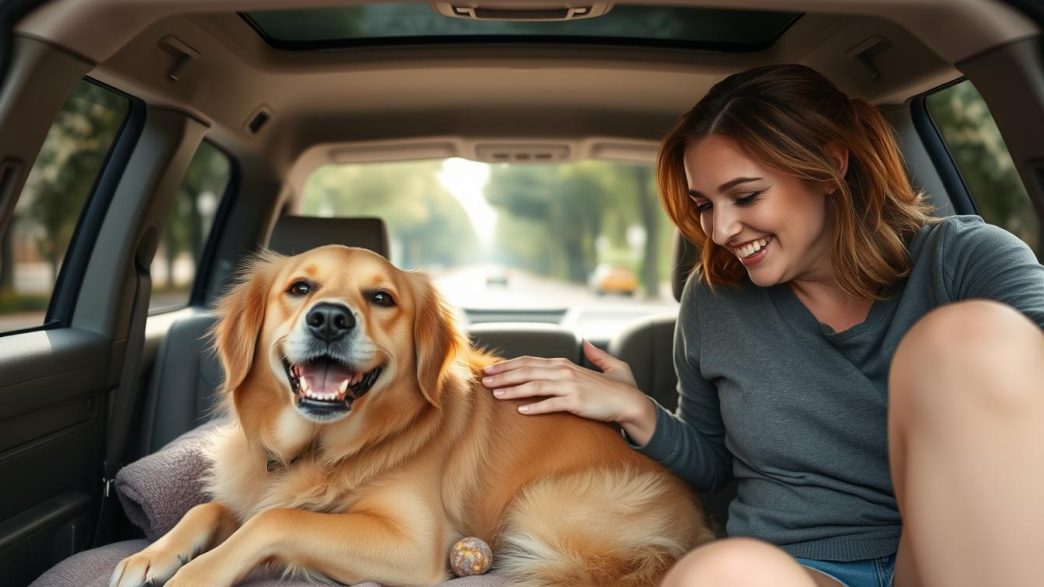
Welcome! If you’re reading this, you likely know the special place your dog holds in your heart and home. Few relationships in nature are as remarkable as the bond between humans and their pups. This bond is not just a product of wishful thinking; it’s rooted in biology and science.
Research shows that dogs genuinely bond with their humans in ways similar to parent-child relationships. This emotional connection is backed by chemical and behavioral evidence. Throughout this article, we will explore the science behind this bond, the signals that show it, and everyday habits that can deepen it.
No matter where you are in your journey, there are always new ways to grow closer. We’ll discuss topics like oxytocin, body language, trust-building, and practical bonding activities. Understanding this bond helps you become a more attuned companion, enhancing your pup’s overall wellbeing and quality of life.
Let’s view our dogs not just as pets, but as true partners in life, filled with love and joy.
Key Takeaways
- The bond between humans and dogs is scientifically proven and deeply rooted.
- Dogs exhibit behaviors that mirror parent-child relationships.
- Understanding this bond enhances the wellbeing of both pets and owners.
- There are practical activities to strengthen your relationship.
- Recognizing your dog as a partner enriches daily life.
Understanding the Emotional Connection with Dogs: Science and Signals
Let’s delve into the fascinating science behind our bond with our furry friends. This relationship is supported by a wealth of research that highlights how dogs and humans communicate and connect. A key player in this bond is oxytocin, often referred to as the “love hormone.” This chemical plays a crucial role in how we feel towards one another.
The Role of Oxytocin in Bonding
When humans and dogs engage in mutual eye contact, both species experience a spike in oxytocin levels. This phenomenon is known as the oxytocin-gaze positive loop. A 2015 study from Japan revealed that the longer the gaze lasts, the greater the increase in oxytocin. Interestingly, wolves do not exhibit this response, highlighting a unique aspect of the bond between dogs and humans.
Research conducted by neuroscientist Gregory Berns demonstrated that a dog’s caudate nucleus, part of the brain’s reward system, lights up when they sniff their owner’s scent. This reaction underscores the depth of their attachment and emotional response.
Behavioral Evidence of Emotional Attachment
Behavioral cues further support the emotional bond we share. Dogs often seek eye contact, similar to how children interact with their parents. When startled, they tend to run to their owners for comfort, displaying attachment behaviors reminiscent of human children.
How Dogs Read Human Emotions
In addition to their affectionate behaviors, dogs have a remarkable ability to read human emotions. A 2016 study found that dogs can match facial expressions to vocal tones. They are more likely to look at a face that corresponds to the tone of voice they hear, whether it’s happy or angry. This ability validates what many owners have sensed all along: dogs are deeply attuned to our feelings.
While dogs may not experience love in the same way humans do, the emotional bond is undeniable. Recognizing everyday moments of eye contact and sniffing as meaningful exchanges can strengthen this bond. Embrace these interactions as part of a beautiful partnership.
| Study | Findings |
|---|---|
| 2015 Japanese Study | Longer gaze increases oxytocin levels in both dogs and humans. |
| Gregory Berns’ Research | Dog’s caudate nucleus lights up when sniffing owner’s scent. |
| 2016 Emotion Recognition Study | Dogs match human facial expressions to vocal tones. |
The Evolutionary Bond Between Humans and Dogs
Understanding the evolution of our bond with dogs sheds light on their unique role in our lives. This relationship has been developing for somewhere between 15,000 and 40,000 years. Dogs are the only large carnivores that humans have successfully domesticated. This makes the bond between the two species truly one of a kind.
Domestication was a two-way street. Over generations, dogs evolved cognitive and emotional tools tailored to read and respond to human behavior. This adaptation allowed them to become integral members of our families.
In contrast, wolves, even those raised by humans from birth, do not show the same social compatibility. They lack the attunement to human cues that dogs possess. For instance, dogs are uniquely wired to follow human pointing gestures. They make eye contact and seek out human faces when faced with problems they cannot solve alone.
These abilities are not mere tricks. They result from thousands of generations of selection for social compatibility with humans. The outcome is an animal that genuinely seeks human company and finds comfort in it. Moreover, dogs experience measurable stress from prolonged separation.
This evolutionary bond forms the foundation for everything you experience daily with your pup. Each wagging tail and trusting gaze is a reminder of the deep history shared between our species. Appreciate the journey that has brought us together and celebrate the companionship that enriches our lives.
Recognizing Your Dog’s Emotional Attachment: Body Language & Behavior
The bond we share with our furry companions can be observed through their body language. Dogs express their feelings in various ways, and understanding these signals can enhance your relationship. Observing how your dog behaves can reveal their attachment and trust.
Key Body Language Indicators of Attachment
One of the clearest windows into the strength of the bond is a dog’s body language. For instance, when you return home, many dogs greet you with full-body excitement. This often includes vigorous tail wagging, jumping, and excited barking.
Soft, relaxed eye contact is another key indicator of attachment. This gaze releases oxytocin in both you and your dog, fostering a deeper bond. Additionally, when a dog leans their body weight against you or lays their head in your lap, it signifies deep trust and comfort.
Emotional Attachment Through Daily Routines
Attached dogs display happiness during shared activities, whether it’s walks, playtime, or training sessions. They often try to comfort you by nuzzling or licking when they sense sadness or anxiety. This behavior shows their awareness of your feelings.
Moreover, attached dogs frequently initiate cuddles. You might find them snuggling on the couch or curling up at your feet while you work. These moments are not just cute; they reflect a strong bond.
In daily routines, you may notice your dog following you from room to room. They might bring you gifts like toys or choose to sleep next to you. Sleeping close is especially meaningful because dogs are most vulnerable during sleep. Choosing to rest near you signals that they see you as a trusted part of their pack.
How Trust and Affection Build a Lasting Bond
Building a strong relationship with your dog requires a foundation of trust and affection. These two elements are crucial for a lasting bond. They grow stronger through consistent, positive interactions over time.
Eye contact plays a vital role in this relationship. It acts as a powerful bonding tool, triggering the release of oxytocin in both you and your dog. This creates a sense of mutual love and connection that deepens your relationship.
Physical closeness, such as cuddling and petting, is another way dogs and humans communicate affection. Simply sitting side by side can foster feelings of safety and warmth.
Researchers have applied attachment theory to dogs, revealing that they display the same four classic attachment behaviors as human infants. These behaviors include:
- Using their owner as a secure base.
- Showing distress when the owner leaves.
- Seeking comfort upon the owner’s return.
- Not being easily soothed by strangers.
This desire to seek proximity is not a sign of neediness; rather, it is a normal behavior in attached animals. The quality of your emotional engagement matters greatly. Calm time spent together significantly contributes to your dog’s emotional health and the strength of your bond.
Recognize that your presence, voice, and attention are meaningful to your dog in ways beyond treats or rewards. Building trust takes time and patience, but every small moment of affection adds up to a deeper, more resilient connection.
Everyday Ways to Strengthen Your Emotional Connection
Every day presents fresh opportunities to deepen your bond with your pup. By engaging in simple, enjoyable activities, you can enhance the trust and affection that define your relationship. Here are some practical tips to help you strengthen that bond without needing special training or equipment.
Positive Reinforcement and Treat-Based Training
One effective method to boost your dog’s emotional attachment is through positive reinforcement training. Using treats creates a happy association between following commands and receiving rewards from you. This not only makes training fun but also reinforces your role as a trusted leader.
Incorporate short, engaging training sessions into your day. These moments build teamwork, communication, and mutual trust. Your dog will look forward to these sessions, strengthening your bond even further.
Sharing Calm Activities and Routines
Calm activities are vital for enhancing your relationship. Enjoy leisurely walks, quiet time on the couch, or simply resting side by side at home. These shared moments provide comfort and security, making your dog feel more connected to you.
Consistent daily routines also help your dog feel secure. Being a predictable, comforting presence strengthens your bond, as your dog learns to rely on you.
Creating Meaningful Mealtime Rituals
Mealtime can be a special bonding experience. Consider creating rituals, such as practicing a few commands before serving food. This transforms an everyday necessity into a shared experience that your dog will cherish.
Look for small moments throughout the day to connect. Whether it’s a gentle scratch behind the ears or a few minutes of focused play, these interactions matter. Remember, the goal is not perfection but presence. Dogs thrive on the quality of time spent together.
By framing these activities as opportunities to be a true team, you and your dog can work and relax together in harmony. Embrace these moments, and watch your bond grow stronger.
| Activity | Benefit |
|---|---|
| Positive Reinforcement Training | Creates a happy association and builds trust. |
| Calm Shared Activities | Enhances comfort and connection. |
| Mealtime Rituals | Turns meals into bonding experiences. |
How Your Emotions Affect Your Dog’s Wellbeing
The wellbeing of your pup is closely linked to your own feelings and emotions. Dogs are remarkably sensitive creatures. They can detect subtle changes in their human companions’ emotional states. This sensitivity can significantly impact their health and behavior.
Dogs possess an extraordinary sense of smell, allowing them to sense changes in human cortisol levels. This hormone is often associated with stress. When you experience stress, your dog can pick up on it even before you say a word. They also notice changes in your facial expressions, posture, and tone of voice. All these cues help them gauge how you are feeling at any moment.
When owners are anxious, their dogs often mirror that energy. Studies show that dogs living with anxious people frequently display signs of chronic stress themselves. Conversely, dogs who are around calm and confident owners tend to exhibit similar traits. This dynamic illustrates that the emotional exchange in the human-dog relationship is a true two-way street.
Taking care of your mental health is essential for your dog’s wellbeing. A dog does not need special training to notice when their person is having a hard day. They automatically pick up on a combination of cues. By modeling calm and confident energy, you can support your pup’s emotional health.
Understanding this mutual influence helps you interpret your dog’s behavior with compassion. It encourages you to respond with patience rather than frustration. The emotional exchange between you and your dog is a natural and powerful part of life together.
| Observation | Impact on Dog |
|---|---|
| Increased Cortisol Levels | Dog senses stress, may show anxiety |
| Calm Demeanor | Dog reflects calmness, feels secure |
| Positive Interactions | Strengthens bond, enhances wellbeing |
Addressing Challenges in Building Emotional Connections
Building a meaningful bond with your dog isn’t always straightforward and can come with its own set of challenges. Recognizing these challenges is the first step in overcoming them. Every dog is unique, and their behavior can be influenced by various factors.
One common issue is separation anxiety. This condition is not a training failure or a personality flaw. Instead, it is a predictable response of an animal with a genuine attachment bond to a painful separation. Dogs often show signs of distress when left alone, which can be heart-wrenching for owners.
Understanding Separation Anxiety and Velcro Behavior
Many dogs exhibit what is known as “velcro behavior.” This means they follow their owners from room to room. This proximity-seeking behavior is both adaptive and normal in attached animals. It shows how deeply they value your presence.
However, it’s important to remember that bonding capacity varies. Individual dogs may have different tendencies based on their breed, early life experiences, and the quality of their relationship with their owners. Dogs who faced early neglect or abuse may form bonds more cautiously. Yet, with patience and consistent positive interaction, most dogs can learn to build strong, trusting relationships.
Factors Influencing Bond Strength: Breed, Experience, and Environment
Understanding these factors can help owners approach behavioral challenges with compassion. Instead of punishment, which is often ineffective, supportive methods yield better results. Recognizing a dog’s behavior through the lens of attachment shifts your perspective from frustration to understanding.
Every dog expresses attachment differently. This can depend on their personality, breed, and life experiences. It’s crucial to approach each situation with an open heart and mind. With time, patience, and consistent care, even dogs with difficult pasts can learn to trust and love their people deeply.
Conclusion: Nurturing a Lifelong Emotional Bond with Your Pup
The bond between you and your pup is a remarkable journey that unfolds daily. This relationship is one of the most extraordinary in the natural world. The science of oxytocin, the evolutionary history of these animals, and their everyday signals of attachment all contribute to a deep understanding of your shared life.
Recognizing that this bond is scientifically documented and biologically grounded enriches your experience. Every gaze, lean, cuddle, and shared routine is a meaningful part of your lifelong emotional bond. Nurturing this connection is an ongoing journey filled with opportunities to deepen trust and affection.
By applying the tips from this article, you can better meet your pup’s needs and interpret their behavior with compassion. Remember, the time and care you invest will return to you tenfold in loyalty and joy. Celebrate this unique partnership as a true team effort, enhancing life for both of you.