
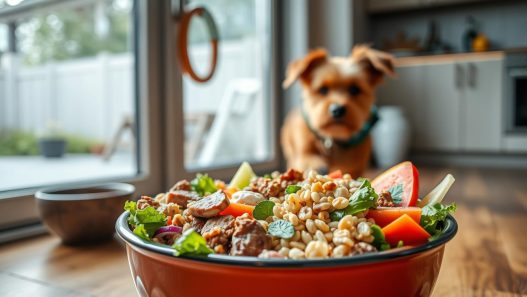

Welcome to the ultimate guide for pet parents who face the challenge of finding exciting snacks that their furry friends will actually enjoy. Many dogs can be quite selective, making treat time a source of frustration. This guide aims to transform that experience into something fun and rewarding.
Understanding why some dogs turn their noses up at common snacks is essential. With the right approach, you can create treats that not only appeal to their taste buds but also support their overall health. High-quality options can be a game-changer during training sessions, keeping your best friend engaged and motivated.
In this article, we will explore various types of treats, including single-ingredient and limited-ingredient options. These can be especially appealing to those who are more discerning. Balancing calories and nutrition is crucial, ensuring that treats remain a beneficial part of your pup’s daily routine.
Get ready to dive into vet-recommended choices, homemade recipes, and expert strategies. By the end, you’ll have everything you need to make treat time a joyful experience for your beloved companion.
Key Takeaways
- Learn how to make appealing snacks that excite your pet.
- Discover why some pets are more selective with their food.
- Understand the role of high-quality snacks in training.
- Explore single-ingredient options that can entice even the choosiest.
- Balance calories and nutrition for a healthy treat routine.
- Find homemade recipes and expert tips for crafting delightful snacks.
Understanding the Needs of Picky Eaters
Exploring the reasons behind a dog’s selective eating habits can lead to better treat choices. Just like humans, every pup has unique preferences that shape their behavior. While many dogs eagerly accept most snacks, some are naturally more selective.
Understanding why your dog turns away from certain options starts with recognizing that picky eaters often have heightened sensitivity to smell and flavor. This sensitivity can significantly influence their choices.
Additionally, some dogs develop picky habits due to past experiences. For instance, being offered too many options or having negative associations with certain textures can lead to a refusal of specific treats.
Behavioral factors also play a role. Anxiety, stress, or changes in routine can affect a dog’s willingness to accept treats during training sessions. If a dog feels uneasy, they may be less likely to try something new.
Health concerns should not be overlooked. Issues like dental pain, digestive discomfort, or food allergies can cause a dog to refuse treats they once loved. Consulting with a vet or veterinarian is essential if your dog’s picky eating appears suddenly or is accompanied by other symptoms.
Interestingly, certain breeds are more prone to selective eating, but any dog can develop refined preferences over time. The strong smell of a treat often determines whether a picky pup will show interest. High-aroma options typically work best.
Recognizing the difference between a temporary preference and a deeper health issue helps you respond appropriately to your dog’s needs. By understanding the root causes of picky eating, you can choose treats and strategies that align with your dog’s natural inclinations.
| Factor | Description |
|---|---|
| Personality | Each dog has unique preferences that influence their food choices. |
| Smell Sensitivity | Picky eaters often have heightened sensitivity to flavors and aromas. |
| Past Experiences | Negative associations with certain textures can lead to picky habits. |
| Behavioral Factors | Anxiety or stress can affect a dog’s willingness to accept treats. |
| Health Issues | Dental pain or allergies may cause refusal of previously loved treats. |
“Just like people, every dog has a unique personality that influences their food and treat preferences.”
How to Choose the Right Dog Treats
Finding the perfect treats for your pup involves understanding their unique preferences. The right snacks can make a world of difference in their enjoyment and health. With so many options available, it’s essential to focus on a few key factors when selecting the best choices.
Key Ingredients to Look For
Start by scanning the ingredients list on any package. Prioritize treats with real meat, organs, or whole foods as the first ingredient. High-quality protein sources like beef, chicken, and lamb provide the savory flavor that picky dogs crave while supporting muscle health.
Avoid treats loaded with artificial colors, flavors, and fillers. These can dilute taste and offer little nutritional value for your best friend. Instead, look for options that feature simple, recognizable ingredients.
Treat Texture and Size Considerations
The texture of a treat plays a huge role in acceptance. Some dogs prefer crunchy chews, while others gravitate toward soft, chewy options. Consider your dog’s age and dental health when selecting texture. Senior dogs may need softer treats that are gentler on their teeth.
Size matters for both safety and training purposes. Bite-sized pieces prevent choking and allow for quick consumption during training sessions. Smaller treats are also ideal when watching your dog’s calorie intake.
Matching Treats to Your Dog’s Purpose and Preferences
It’s important to match the treat’s purpose to your dog’s needs. Whether you’re using it for positive reinforcement, distraction, or simply showing love, the right treat can enhance the experience. A variety of textures and flavors keeps treat time exciting and helps you discover what your individual dog finds irresistible.
Look for limited-ingredient options that make it easier to identify and avoid potential allergens affecting your pup. Remember that the best dog treats combine palatability with nutrition, ensuring every bite contributes to your dog’s overall wellbeing.
| Ingredient Type | Description |
|---|---|
| Real Meat | Look for chicken, beef, or lamb as the first ingredient for high protein content. |
| Whole Foods | Ingredients like sweet potatoes or carrots provide additional nutrients. |
| Avoid Fillers | Stay away from treats with artificial colors, flavors, and unnecessary fillers. |
| Texture | Choose based on your dog’s preference—soft, chewy, or crunchy. |
| Size | Opt for smaller treats to manage calorie intake and ensure safety. |
The Importance of High-Value Treats for Picky Dogs
The right treats can be a game-changer for training picky eaters. High-value treats are specially designed to capture your pup’s attention. They often feature a strong smell and rich flavor that even the most selective dogs can’t resist.
What makes a treat high-value? Simplicity is key. These treats usually contain a limited list of ingredients, such as freeze-dried liver or dehydrated meat. This focus on quality ensures that they pack an intense taste without any fillers.
The powerful aroma of high-value treats is essential. It immediately grabs your dog’s attention, making them perfect for training in distracting environments. When you reserve these special snacks for crucial training moments, such as recall practice or behavior modification, their effectiveness is maximized.
Using high-value treats strategically helps build a positive association with food. This reinforces desired behaviors in your dog. However, remember that the value of a treat is ultimately determined by your individual dog’s reaction. What works for one may not work for another.
Incorporate high-value treats sparingly. This prevents your dog from becoming desensitized to their appeal over time. These treats are especially useful during the early stages of training when you need maximum motivation and engagement from your pup.
Rotating between different high-value options keeps the experience novel and exciting. Remember, high-value treats should still be nutritious, supporting your dog’s health while satisfying their refined palate.
Best Nutritious Dog Treats for Picky Eaters
Selecting the best snacks for your furry friend can be an exciting journey. Understanding what makes certain treats appealing is key to keeping your pet engaged and happy. Let’s explore some top options that can delight even the most selective pups.
Single-Ingredient and Limited Ingredient Options
Single-ingredient options are a game-changer for discerning eaters. These treats deliver pure, undiluted flavor that even the fussiest dogs find appealing. Limited ingredient choices minimize the risk of triggering food sensitivities while maximizing the taste your pup craves.
Popular Protein Choices: Beef, Chicken, Lamb, and Novel Proteins
When it comes to protein, beef-based treats, such as jerky strips and freeze-dried tripe, offer a rich, savory profile that most dogs find absolutely irresistible. Chicken jerky treats provide a lean protein source with a familiar flavor that appeals to dogs of all breeds and sizes.
Lamb is an excellent choice for dogs with sensitivities to more common proteins, offering a novel yet delicious alternative. Additionally, novel proteins like rabbit and venison can entice dogs who have developed aversions to standard meat options.
Freeze-Dried, Air-Dried, and Jerky Treat Varieties
Freeze-dried treats lock in nutrients and intense flavor through a gentle preservation process that maintains the raw meat’s natural appeal. Air-dried varieties, like Ziwi’s lamb training treats, offer a convenient, shelf-stable option with a jerky-like texture that dogs adore.
Jerky treats combine chewiness with concentrated flavor, making them perfect for both training sessions and special rewards. Exploring different protein sources and treat textures helps you discover the perfect combination that makes your dog’s tail wag with excitement.
Top 12 Vet-Recommended Treats to Try
Selecting the ideal treats for your beloved companion can transform snack time into a joyous occasion. Here, we present a curated list of the best dog treats that have won over even the most stubborn eaters. These options are not only delicious but also recommended by veterinarians.
Beef Jerky Strips and Beef & Cheddar Treats
Beef Jerky Strips from The Dog Bakery combine irresistible flavor with added nutritional blends for immunity and digestion support. Additionally, Beef & Cheddar Training Treats by Bocce’s Bakery offer petite, chewy pieces ideal for smaller dogs or those missing teeth.
Dehydrated Cod Skin and Freeze-Dried Salmon Treats
Dehydrated Cod Skin Treats by Open Farm provide a super chewy texture and natural omega-3 fatty acids from 100% cod skin. Freeze-Dried Wild Alaskan Salmon Treats pack healthy omega-3s for skin, coat, and joint health in a flavor dogs love.
Chicken Jerky and Air-Dried Lamb Training Treats
Chicken Jerky Strips from The Dog Bakery come in formulas like “skin & coat” to nourish your pet while satisfying their taste buds. Ziwi’s Air-Dried Lamb Training Treats feature 96% meat in bite-sized pieces, perfectly positioned for positive reinforcement training.
Rabbit, Mini Carrot Cakes, and Other Specialty Picks
Freeze-Dried Farm-Raised Rabbit Treats are an excellent novel protein choice for dogs with allergies or sensitive stomachs. From pumpkin chews to Mini Carrot Cakes for Dogs from The Dog Bakery, specialty picks add variety and excitement to your best dog’s treat rotation.
Making Homemade Nutritious Treats Your Picky Pup Will Love
Crafting your own treats allows you to customize flavors that your pup will love. Making snacks at home gives you complete control over the ingredients, ensuring every bite is packed with the flavors your selective friend craves. One simple recipe that stands out is for crispy sardine treats, which are perfect for enticing even the fussiest eaters.
Simple Single-Ingredient Recipes: Sardine Crispy Treats
If your dog won’t eat any store-bought options, try this super-simple one-ingredient recipe for crispy sardine treats:
- Ingredients: 1 can of boneless, skinless, unseasoned sardines in water.
Instructions:
- Preheat the oven to 400 degrees Fahrenheit.
- Drain sardines thoroughly and remove them from the can.
- Slice the sardines in half lengthways, creating two flat filets from each sardine.
- Pat each sardine half dry with a paper towel.
- Transfer to a parchment paper-lined baking sheet.
- Bake at 400 degrees for 25-30 minutes or until crispy.
- Allow to cool completely before serving.
Store in an airtight container and serve within four days. Because sardines are so pungent, even the most selective dogs will usually snack on them, making this one of the best single-ingredient recipes you’ll find.
Tips for Baking and Storing Homemade Dog Treats
Here are some tips to help keep your homemade snacks fresh and appealing:
- Experiment with other single-ingredient recipes, like dehydrated sweet potato or baked chicken strips.
- Batch preparation saves time and ensures you always have options on hand when your dog deserves a reward.
- Proper storage in an airtight container helps keep treats fresh and safe for up to four days after baking.
- Making treats at home allows you to avoid preservatives and fillers while tailoring flavors to your dog’s specific preferences.
- Homemade natural dog treats strengthen the bond between you and your pup through the care and effort you put into creating them.
- With simple recipes and basic kitchen tools, you can become your dog’s favorite chef and solve picky eating challenges for good.
Strategies to Train and Encourage Your Picky Eater
Transforming mealtime into an enjoyable activity can significantly improve your dog’s eating habits. The key is to create positive experiences that encourage your pup to embrace new flavors and textures. Here are some effective strategies to help you achieve this.
Using Treats for Positive Reinforcement
Positive reinforcement training can turn treat time into a powerful tool for building trust. Reward your dog with a small treat whenever they show interest in their food. This helps create a positive association, reducing any anxiety around mealtime.
Consistency is crucial during training. Use the same high-value options for successful responses to reinforce learning effectively. This will help your dog feel secure and confident in their eating habits.
Incorporating Food Puzzle Toys and Interactive Feeding
Food puzzle toys can make mealtime more engaging and fun. These toys stimulate your dog’s mind while encouraging them to interact with their food. By turning eating into a game, you tap into their natural instincts, making food more appealing.
Interactive feeding methods, such as scatter feeding or using snuffle mats, can also increase motivation. These approaches allow your dog to explore and forage for their food, which can be exciting and rewarding.
Keep training sessions short and frequent to maintain your dog’s interest. Gradually introduce new treats alongside familiar favorites to expand their acceptance over time. Using treats as part of a structured routine gives your dog a sense of purpose, making every reward feel earned and special.
Patience and persistence are essential. Celebrate small victories as your best friend becomes more open to trying new foods and flavors. These strategies not only help keep mealtime positive but also strengthen the bond between you and your furry companion.
Addressing Health Concerns Behind Picky Eating
It’s essential to consider health issues that may be influencing your dog’s eating behavior. If your pup is refusing to eat, it might not just be a matter of preference. Sometimes, picky eating can signal underlying health problems that need attention.
Consulting with your veterinarian is the first step. A vet can help rule out any serious health issues that could be affecting your dog’s appetite. They may recommend diagnostic tests, such as blood work or imaging, to identify the cause of your dog’s selective eating.
Consulting with Your Veterinarian
When your dog suddenly changes their eating habits, a visit to the vet is crucial. This helps ensure that any potential health problems are addressed early. Many dogs refuse food due to dental issues, gastrointestinal discomfort, or allergies.
Dental problems, like broken teeth or gum disease, can make chewing painful. Even the most food-motivated dogs may refuse treats if they associate them with discomfort. Gastrointestinal issues, such as acid reflux or inflammatory bowel disease, can also lead to nausea and decreased interest in food.
Common Underlying Medical Issues to Watch For
Food allergies or intolerances can manifest as picky eating, skin irritations, or digestive upset. These require careful ingredient management to ensure your dog is comfortable and healthy.
- Sudden changes in your dog’s eating habits warrant a visit to the veterinarian to rule out underlying health problems.
- Dental issues can make chewing painful and cause even the most food-motivated dogs to refuse treats.
- Gastrointestinal problems may lead to nausea and decreased interest in food.
- Food allergies can result in picky eating and require careful ingredient management.
- A thorough vet examination helps identify medical causes behind your dog’s selective behavior.
- Once health concerns are addressed, many picky eaters return to their normal eating patterns.
- Your veterinarian can recommend specific diets or treats tailored to your dog’s medical needs.
- Don’t dismiss ongoing picky eating as just a quirk; persistent refusal of food deserves professional attention.
- Working closely with your vet ensures that your dog’s nutritional needs are met.
- Proactive health monitoring gives you peace of mind and helps your dog live a happier life.
Alternative Dog Food and Snack Options for Selective Eaters
Exploring alternative food options can open up a world of flavors for your selective pup. Many dogs are drawn to wet and raw food choices due to their stronger aroma and richer flavor profiles. These types of food often appeal more to picky eaters compared to traditional dry kibble.
Wet and Raw Food Choices
Wet dog food typically offers a more enticing aroma, making it a popular choice for many selective dogs. The moisture content also enhances palatability, which can encourage them to eat. On the other hand, raw food diets provide unprocessed, high-quality meat that closely resembles what dogs would eat in nature. This often wins over those with discerning tastes.
Here are some key benefits of these food options:
- Wet dog food: Offers a stronger aroma and richer flavor profile that many picky eaters find appealing.
- Raw food diets: Provide unprocessed, high-quality meat that mimics natural eating habits.
- Homemade meals: Allow you to customize recipes tailored to your dog’s specific taste preferences.
Homemade Meals Customized for Taste Preferences
Making homemade meals gives you complete control over the ingredients. This way, you can create recipes that cater to your dog’s unique likes and dislikes. Rotating between different food options can prevent boredom and keep mealtime interesting.
Here are some tips for preparing meals:
- Consider adding warm water or low-sodium broth to dry food to enhance its smell.
- Commercial raw and freeze-dried food options offer convenience while delivering nutritional benefits.
- Consult with a veterinarian to ensure balanced nutrition in homemade meals.
- Mixing a small amount of wet food or tasty toppers with regular dog food can help transition picky eaters.
- Patience and a willingness to experiment with flavors and textures can lead to better eating habits.
Finding the right food solution for your selective pup may take time. However, the reward is a healthier, happier dog who looks forward to every meal.
| Food Type | Benefits |
|---|---|
| Wet Dog Food | Stronger aroma and flavor, more palatable for picky eaters. |
| Raw Food Diets | Unprocessed, high-quality meat that mimics natural diets. |
| Homemade Meals | Complete control over ingredients, tailored to specific tastes. |
Exploring Other Treat Types Beyond Traditional Snacks
When it comes to enticing your selective pup, there are many creative options beyond traditional snacks. Exploring different treat types can keep mealtime exciting and engaging for your furry friend. Let’s dive into some delightful alternatives that can captivate even the most discerning eaters.
Frozen Treats: Yogurt and Pumpkin Puree
Frozen treats made from plain yogurt or pumpkin puree offer a refreshing and tasty alternative that picky dogs often adore. These treats are not only easy to prepare but also provide a cooling snack during warm weather. Here are a couple of simple ideas:
- Yogurt Drops: Freeze small dollops of plain yogurt on a baking sheet. Once frozen, these make perfect bite-sized snacks.
- Pumpkin Puree Pops: Mix pumpkin puree with a bit of water, pour it into ice cube trays, and freeze. These pops are not only delicious but also support digestive health.
Interactive Treat Toys and DIY Meatballs
Interactive treat toys, such as treat-dispensing puzzles, can make mealtime more engaging and fun. These toys stimulate your dog’s mind while delivering tasty rewards at a controlled pace. You can also create homemade meatballs that serve as high-value natural dog treats for special occasions. Here’s a quick recipe:
- DIY Meatballs: Combine lean ground meat with dog-safe vegetables, roll them into small balls, and bake until cooked through. These can be frozen for later use.
- Frozen Peanut Butter Bites: Mix peanut butter with mashed bananas, pour into molds, and freeze. These treats provide long-lasting entertainment and a delicious reward.
Exploring creative treat types transforms snack time into an adventure that strengthens your bond with your furry friend. Remember, variety is the spice of life—rotating between frozen, chewy, and crunchy options ensures your pup never gets bored.
| Treat Type | Description |
|---|---|
| Frozen Yogurt Drops | Simple, bite-sized snacks made from plain yogurt that dogs love. |
| Pumpkin Puree Pops | Frozen treats that support digestive health with a naturally sweet flavor. |
| DIY Meatballs | High-value treats made from lean meat and vegetables, perfect for special occasions. |
| Frozen Peanut Butter Bites | Delicious frozen snacks that keep dogs engaged and satisfied. |
Vet and Trainer Advice on Managing Picky Eating
Managing a selective eater can be challenging, but you don’t have to face it alone. Consulting with a veterinarian or a professional dog trainer can provide the insights needed to address picky eating effectively.
When your pup refuses to eat, seeking guidance from a veterinarian is the first step. A qualified vet can rule out any underlying health issues that may be causing your dog’s selective eating. They can perform diagnostic tests and recommend dietary adjustments tailored to your dog’s specific medical needs.
In addition to veterinary care, professional dog trainers bring expertise in behavior modification. They can help you develop effective training strategies for your picky eater. Trainers assess your dog’s motivation levels and suggest the best dog treats to use during obedience and behavior work.
Combining veterinary care with professional training creates a comprehensive approach. This addresses both physical and behavioral factors that contribute to picky eating. Long-term success comes from consistency, patience, and a willingness to adapt your approach as your dog’s preferences evolve.
Regular check-ins with your vet ensure that your dog’s nutritional needs continue to be met as they age and their health changes. Trainers can also teach you how to read your dog’s body language. This helps you recognize subtle signs of food aversion or discomfort.
Building a support network of professionals gives you confidence and resources to overcome even the most challenging picky eating cases. Remember that every small step forward is progress. With expert guidance, your dog can develop healthier eating habits over time.
Helpful Tips for Keeping Treat Time Fun and Nutritious
Keeping treat time exciting and healthy is essential for every pet owner. Balancing calories and nutrition is a crucial aspect of ensuring your pup enjoys their snacks without compromising their health.
Balancing Calories and Nutrition
Understanding that treats should make up no more than 10% of your dog’s daily caloric intake is vital. This means being mindful of the calories in each snack. Choose lower-calorie options for frequent training sessions, saving richer best treats for special rewards.
Rotating Treats to Maintain Interest
To prevent flavor fatigue, rotate through a variety of treats. This keeps your pup excited about snack time. Creating a treat rotation list can help you track which options your dog enjoys most while ensuring nutritional variety.
Incorporating food puzzle toys into treat time adds mental stimulation and slows down fast eaters, promoting better digestion. Chew treats, like dental chews or bully sticks, provide long-lasting entertainment while supporting oral health.
Scheduling treat time as part of your daily routine gives your dog something to look forward to and strengthens your bond. Monitoring your dog’s weight and adjusting treat portions accordingly helps maintain a healthy size without sacrificing enjoyment.
Experimenting with different textures, from crunchy to chewy, can reveal what makes treat time most engaging for your pup. With thoughtful planning, every treat can be both a delicious reward and a positive contribution to your dog’s overall wellbeing.
Conclusion
Transforming treat time into a fun-filled event requires creativity and understanding of your pet’s needs. Finding the right snacks for your furry friend is a journey that demands patience, experimentation, and lots of love.
From recognizing why your dog is selective to exploring high-value options and homemade recipes, you now have a complete toolkit for success. Remember, every dog is unique, and what works for one may not work for another—stay flexible and observant.
The best snacks are those that bring joy to your pup while supporting their health and strengthening your bond. Incorporating training, food puzzles, and variety into treat time turns a challenge into an opportunity for connection.
Don’t hesitate to consult with veterinarians and trainers when you need extra support on your journey with your best friend. Celebrate the small victories, whether it’s a new treat your dog loves or a successful training session fueled by tasty rewards.
With the strategies and recommendations in this guide, treat time can become the highlight of your dog’s day. Here’s to many happy, tail-wagging moments filled with delicious snacks your selective pup will adore!
Thank you for investing in your dog’s happiness and health—now go enjoy some well-deserved treat time together!