

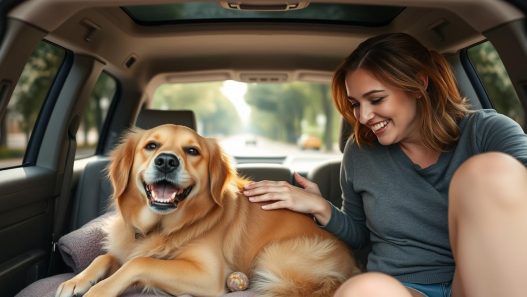
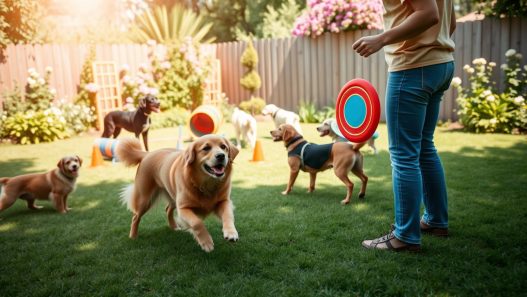
Teaching your furry companion new skills does not have to feel like a chore. By using dog training games, you turn standard lessons into exciting moments of discovery. This playful approach helps your pet stay focused while making the entire process feel like a reward rather than a task.
Incorporating these activities into your daily routine builds a solid foundation for at-home training success. When you prioritize fun, you naturally improve the process of bonding with your dog. This connection ensures your pet remains eager to participate and listen to your cues.
Transforming obedience practice into a joyful experience benefits both the owner and the animal. You will find that your companion looks forward to these sessions every single day. Start small, keep the energy high, and watch how quickly your four-legged friend masters new tricks through these interactive games.
Key Takeaways
- Play-based methods make learning more enjoyable for pets.
- Consistent practice at home strengthens your relationship.
- Interactive activities keep your companion mentally sharp and attentive.
- Positive reinforcement during play builds lasting trust.
- Turning lessons into fun sessions increases daily engagement.
Main Section 1: Understanding Dog Training Games
Training your canine companion does not have to feel like a chore when you incorporate fun games. By shifting your perspective, you can turn standard obedience lessons into exciting challenges that your pet will genuinely enjoy. This approach builds a foundation of trust and cooperation between you and your furry friend.
What Are Dog Training Games?
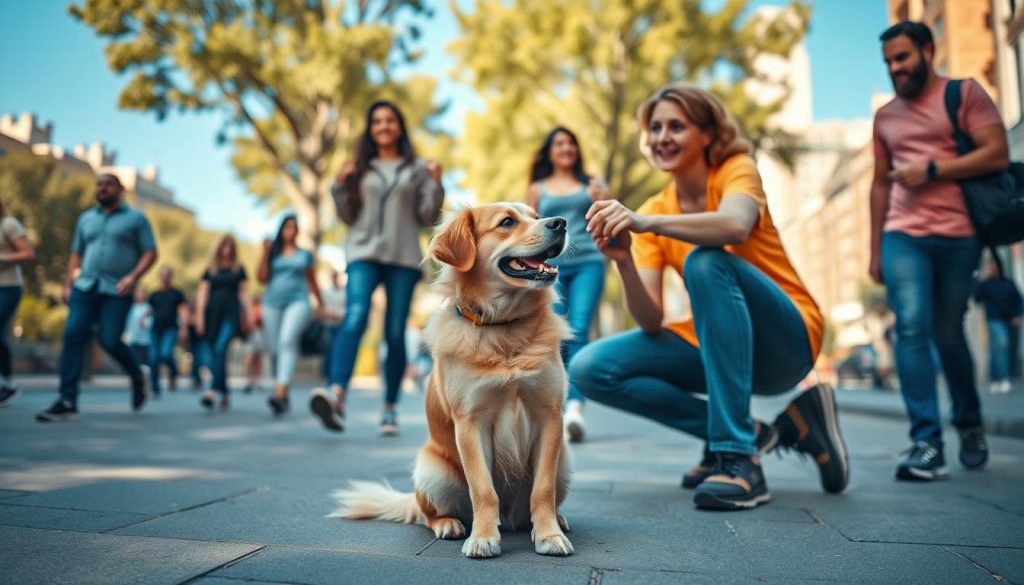
At their core, dog training games are structured activities designed to teach specific behaviors while keeping your pet engaged. These games use natural canine instincts, such as chasing, sniffing, or retrieving, to encourage learning. Instead of repetitive drills, you are creating a dynamic environment where your dog wants to participate.
The philosophy relies on making the process rewarding for the animal. When a dog views a lesson as a game, they are more likely to stay focused and eager to please. This method effectively bridges the gap between discipline and leisure.
Benefits of Training Through Play
The primary advantage of this method is the use of positive reinforcement. By rewarding your dog for correct actions during play, you ensure they associate learning with happiness and success. This creates a lasting bond and encourages a confident, well-adjusted pet.
Furthermore, interactive play provides essential mental stimulation that physical exercise alone cannot offer. This is especially vital during puppy training, as young dogs need to develop their cognitive skills alongside their physical coordination. A tired, mentally satisfied dog is almost always a well-behaved dog.
Choosing the Right Games for Your Dog
Every dog is unique, and selecting the right activity depends on their specific energy levels and breed characteristics. High-energy breeds might thrive on fast-paced fetch games, while more reserved dogs may prefer scent-based puzzles. Always consider your dog’s individual learning style to keep them motivated.
| Dog Personality | Recommended Game Type | Primary Benefit |
|---|---|---|
| High Energy | Agility & Fetch | Physical Fitness |
| Food Motivated | Scent Work | Mental Focus |
| Young Puppies | Basic Impulse Control | Behavioral Growth |
| Senior Dogs | Gentle Puzzles | Cognitive Health |
Ultimately, the goal is to keep the experience fun and stress-free for both of you. If a game seems too difficult or frustrating, simplify the rules until your dog feels successful. Consistent, short sessions will yield the best results over time.
Main Section 2: Interactive Training Games
Interactive play sessions offer the perfect opportunity to combine fun with structured learning for your canine companion. By focusing on dog training games, you can turn ordinary moments into valuable lessons that build trust and focus. These activities rely on positive reinforcement to encourage your pet to listen and engage with you consistently.
Hide and Seek
This classic game is an excellent way to teach your dog the “stay” and “come” commands in a low-pressure environment. Start by having your dog sit and stay while you hide in another room. Once you are hidden, call your dog’s name in an excited tone to encourage them to find you.
When your dog successfully locates you, reward them with plenty of praise or a small treat. This interactive play reinforces the idea that coming to you is always a rewarding experience. Over time, you can increase the difficulty by hiding in more challenging spots throughout your home.
The Shell Game
The Shell Game is a fantastic way to improve your dog’s scent work and problem-solving abilities using simple household items. You only need a few opaque cups and a high-value treat to get started. Place the treat under one cup while your dog watches, then shuffle the cups slowly.
- Encourage your dog to nudge the correct cup with their nose.
- Use positive reinforcement to celebrate every correct choice.
- Keep sessions short to maintain your dog’s interest and enthusiasm.
Tug-of-War with Commands
Many owners worry that tug-of-war encourages aggression, but it is actually a great tool for teaching impulse control. The key is to establish clear rules before the game begins. You must be the one to initiate the play and decide when it ends.
Incorporate specific commands to maintain discipline during the activity:
- “Take it”: Use this to signal that the game has officially started.
- “Drop it”: Teach your dog to release the toy immediately upon your request.
- “Wait”: Use this to pause the action and help your dog practice self-control.
By mastering these dog training games, you create a structured environment where your dog learns to respect your cues. Consistent practice ensures that your pet remains attentive and eager to learn during every session.
Main Section 3: Outdoor Training Games
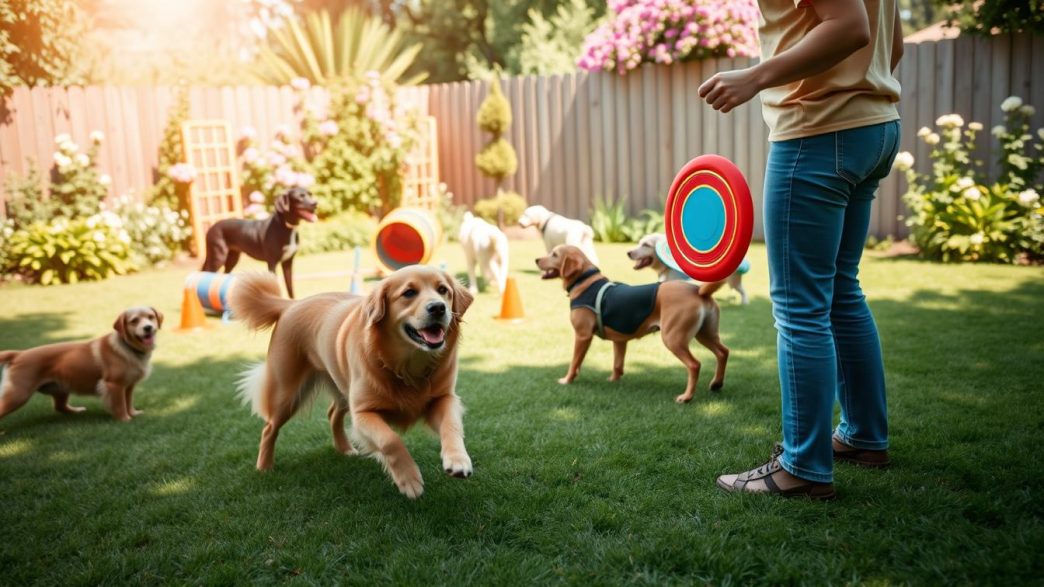
Moving your practice to the backyard transforms standard exercises into exciting adventures. When you step outside, you gain the space needed for more dynamic physical and cognitive challenges. These dog training games help your pet burn off excess energy while learning to focus in a high-distraction environment.
Fetch with a Twist
Traditional fetch is a classic, but you can easily upgrade it to build better impulse control. Instead of throwing the ball immediately, require your dog to sit or wait until you give the release command. This simple pause teaches your dog to regulate their excitement before chasing the prize.
“The greatest pleasure of a dog is that you may make a fool of yourself with him and not only will he not scold you, but he will make a fool of himself too.”
Agility Challenges Using Everyday Items
You do not need expensive equipment to improve your dog’s coordination and confidence. You can construct simple agility courses using items found in your backyard or local park. For example, use a broomstick balanced on two bricks as a low jump or create a weave path using empty flower pots.
These activities provide excellent mental stimulation by forcing your dog to navigate new obstacles. Always keep the experience positive and rewarding to ensure your dog stays engaged. Consistency is the key to building their trust and athletic ability.
Scavenger Hunts
A scent-based scavenger hunt is a fantastic way to engage your dog’s natural instincts. By hiding treats or favorite toys around the yard, you encourage your dog to use their nose to solve problems. This activity offers intense mental stimulation that tires out even the most energetic breeds.
- Start by letting your dog watch you hide the items.
- Gradually increase the difficulty by hiding them out of sight.
- Use a specific command like “find it” to start the game.
Incorporating these dog training games into your outdoor routine keeps your pet happy and sharp. Whether you are playing in the grass or at a local park, the focus remains on building a stronger bond through shared activity.
Main Section 4: Indoor Training Games for Rainy Days
Transform your home into a playground to beat the rainy day blues with your furry friend. When outdoor walks are off the table, dog training games provide the perfect outlet for pent-up energy. These activities keep your pet mentally sharp and physically engaged without needing a backyard.
Treat Disguises
One of the most effective ways to challenge your dog is through scent-based puzzles. You can hide treats inside safe household objects like cardboard boxes, paper towel rolls, or even old towels. This at-home training method forces your dog to use their nose and patience to uncover the reward.
Start by letting your dog watch you hide the treat so they understand the goal. As they get better, make the hiding spots more complex to increase the difficulty. This simple game builds confidence and keeps their brain working hard during long indoor stretches.
Obstacle Course
Building an indoor obstacle course is a fun way to burn off energy using items you already own. You can use pillows as hurdles, blankets as tunnels, and chairs as weave poles. This type of at-home training helps improve your dog’s coordination and focus.
Guide your dog through the course using a favorite toy or a small treat to encourage them. Always keep the movements slow and controlled to ensure safety on slippery floors. By turning your living room into an agility arena, you ensure your dog stays happy and well-behaved regardless of the weather outside.
| Activity Type | Primary Benefit | Difficulty Level |
|---|---|---|
| Treat Disguises | Mental Stimulation | Beginner |
| Obstacle Course | Physical Agility | Intermediate |
| Scent Games | Focus Training | Advanced |
Conclusion
Structured play transforms daily routines into meaningful lessons for your pet. Consistent practice leads to better behavior and creates a deeper connection between you and your animal companion.
You are investing in the long-term success of your puppy training efforts by prioritizing these interactive activities. Every game serves as a building block for a well-adjusted and happy dog.
The process of bonding with your dog through play remains one of the most rewarding experiences you can share. Start with small sessions and maintain a patient attitude as you learn together.
Your commitment to these exercises ensures a lifetime of happiness for your furry friend. Grab a favorite toy from brands like Kong or Chuckit! and begin your journey toward a stronger relationship today.