


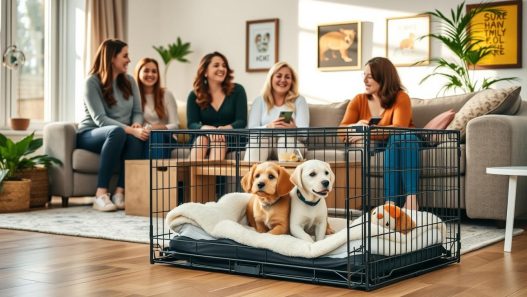
Welcome to the rewarding journey of raising a happy, well-adjusted canine companion. As a busy pet parent, you want to provide the best environment for your new furry family member to thrive.
Establishing a consistent home atmosphere is the first step toward building a deep, stress-free bond. By focusing on structured daily habits, you help your little one feel secure and confident in their new surroundings.
This approach is much more than just a simple tool for management. It serves as a foundational element for long-term success and peace of mind. When you implement these proven methods early, you set the stage for a lifetime of joy and mutual respect.
Let’s explore how these essential puppy training tips and consistent routines can transform your home into a true sanctuary. Your pup will thank you for the clarity and comfort you provide every single day.
Key Takeaways
- Consistent routines help puppies feel secure and reduce anxiety in a new home.
- A dedicated safe space fosters independence and supports healthy behavioral development.
- Early implementation of structured habits prevents common behavioral issues before they start.
- Creating a calm environment strengthens the emotional bond between you and your pet.
- Success relies on patience, positive reinforcement, and a clear, predictable schedule.
Main Section 1: Understanding the Benefits of Crate Training
Crate training is more than just a tool; it is a way to build a foundation of trust and security for your pet. By creating a predictable sanctuary, you help your furry friend navigate the challenges of a new home with much greater ease and confidence.
Providing a Safe Space
Dogs are den animals by nature, which means they often seek out small, enclosed areas to rest. Providing a safe space allows your dog to retreat whenever they feel overwhelmed by household activity or loud noises.
This dedicated area acts as a personal sanctuary where your pet can relax without interruption. When your dog knows they have a private spot, their overall dog comfort increases significantly, leading to a more balanced temperament.
Reducing Anxiety
Many owners struggle with the heartbreak of watching their pets suffer from separation anxiety. A crate provides a secure, den-like environment that mimics the natural instincts of a dog, helping them feel protected even when you are away.
By associating the crate with positive experiences, you can effectively lower stress levels during your absence. This consistent environment serves as a calming anchor, ensuring your dog feels secure rather than abandoned.
Facilitating House Training
One of the most practical advantages of this practice is how it simplifies the house training process. Because dogs naturally avoid soiling their sleeping quarters, a crate encourages them to develop better bladder control.
This method creates a clear, predictable routine that busy owners can easily manage. When you combine consistent scheduling with a safe space, you reduce accidents and build good habits much faster.
| Benefit Category | Primary Advantage | Impact on Dog |
|---|---|---|
| Emotional Health | Reduces separation anxiety | Increased calm |
| Physical Comfort | Enhances dog comfort | Better rest |
| Behavioral Training | Simplifies house training | Faster learning |
Main Section 2: Choosing the Right Crate for Your Dog
Selecting a crate is more than just a purchase; it is an investment in your dog’s dog comfort and security. When you choose the right enclosure, you help your pup view their area as a positive retreat rather than a restrictive cage. This choice directly influences your overall success with crate training.
Types of Crates
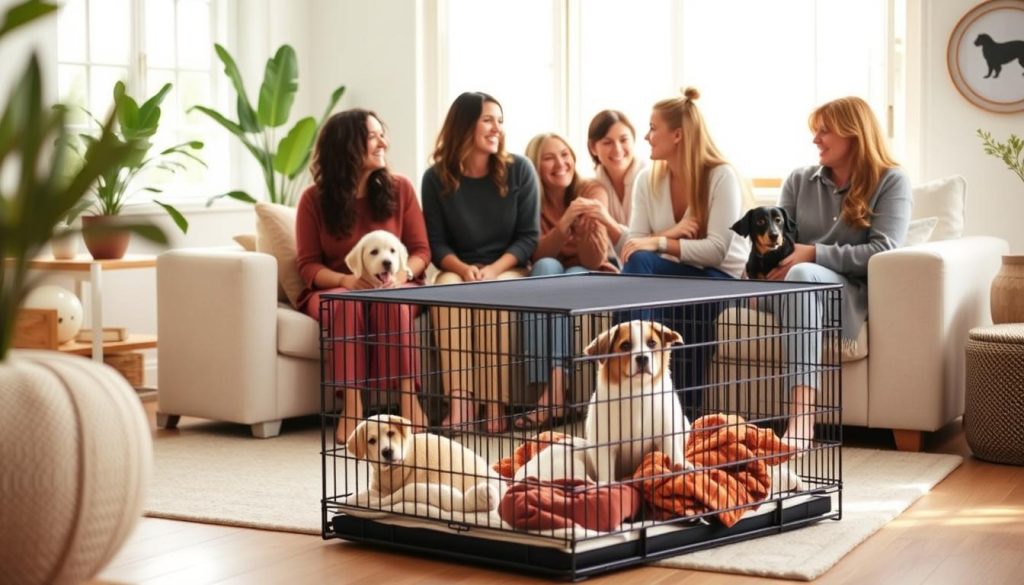
The market offers several styles, each serving different needs based on your lifestyle and your pet’s personality. Wire crates are popular for their ventilation and visibility, allowing your dog to feel connected to the household. Plastic models provide a more den-like, enclosed feel that many dogs find soothing.
Soft-sided crates are excellent for travel but may not be suitable for heavy chewers. Understanding these options is vital for managing dog behavior effectively. Consider the following comparison to help you decide which style fits your home best:
| Crate Type | Best For | Key Benefit |
|---|---|---|
| Wire Mesh | House training | Great airflow |
| Plastic | Anxious dogs | Den-like privacy |
| Soft-Sided | Travel | Lightweight |
Sizing Matters
Proper sizing is critical for your safe space strategy. If the crate is too large, your dog might use one corner as a bathroom, which defeats the purpose of house training. Conversely, a crate that is too small will cause physical discomfort and stress.
“A crate should be just large enough for your dog to stand up, turn around, and lie down comfortably. Anything more is unnecessary, and anything less is unfair.”
Always measure your dog from the tip of their nose to the base of their tail. Adding a few inches ensures they have enough room to stretch without feeling overwhelmed by excess space.
Crate Placement in the Home
Where you place the crate significantly impacts dog behavior and your pup’s ability to settle down. Many owners make the mistake of isolating their pets in a basement or a quiet, distant room. Instead, place the crate in a high-traffic area like the living room or kitchen.
This placement allows your dog to remain part of the family dynamic while still enjoying their own safe space. By keeping them close, you reinforce the idea that the crate is a happy, central part of their life. Consistent crate training in a shared space will ultimately lead to better dog comfort and a more relaxed pet.
Main Section 3: Positive Reinforcement Techniques for Crate Training
Building a bond with your dog starts with making their crate a place they truly love. By focusing on positive reinforcement, you can transform a simple enclosure into a personal sanctuary. This approach ensures your pet feels secure rather than trapped.
Effective crate training relies on patience and consistency. When you view the process as a fun game, your dog will naturally want to participate. These puppy training tips will help you establish a routine that feels rewarding for both of you.
Introducing the Crate
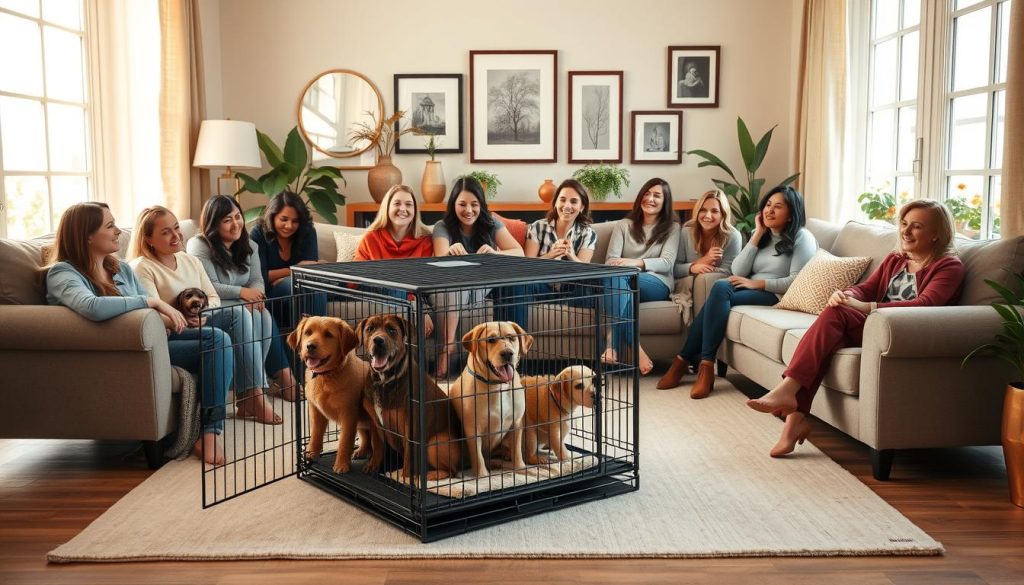
Start by placing the crate in a busy area of your home where your family spends time. Leave the door open and allow your dog to explore the space at their own pace. You want them to feel curious rather than pressured.
Toss a few high-value treats inside to encourage them to step in voluntarily. When they enter, offer calm praise to reinforce the behavior. This simple step builds confidence and helps them view the crate as a happy destination.
Gradual Acclimatization
Once your dog is comfortable entering the crate, you can begin closing the door for short periods. Start with just a few seconds while you remain nearby. This helps them understand that the door closing is not a cause for alarm.
Slowly increase the duration as your dog shows signs of relaxation. Maintaining a calm demeanor during these training routines is essential for success. If your dog seems anxious, simply step back to a previous stage and move at a slower pace.
Creating Positive Associations
You can deepen the bond by providing special toys that are only available inside the crate. Durable chew toys or puzzle feeders filled with peanut butter work wonders for keeping them occupied. These items turn crate training into a highlight of their day.
Consistency is the secret ingredient to long-term success. By rewarding calm behavior with praise and treats, you create a lasting, positive connection. Use the following table to track which rewards work best for your specific dog.
| Reward Type | Best Use Case | Effectiveness |
|---|---|---|
| Small Soft Treats | Initial entry training | High |
| Puzzle Toys | Longer duration stays | Very High |
| Verbal Praise | Reinforcing calm behavior | Moderate |
| Favorite Chew Toy | Reducing separation anxiety | High |
Implementing these positive reinforcement strategies will make your training routines much more effective. Remember that every dog learns at a different speed. Stay patient, keep the atmosphere light, and enjoy the process of helping your pup feel safe and happy.
Main Section 4: Troubleshooting Common Crate Training Issues
If your pup is showing resistance to their new space, you are certainly not alone in this journey. Many pet parents encounter minor setbacks when starting crate training, and these moments are simply part of the learning process. By staying observant, you can identify what your dog is trying to communicate through their actions.
Overcoming Fear and Resistance
When a dog refuses to enter their crate, it often stems from a lack of confidence or past negative experiences. You should first evaluate if the environment feels truly safe for your pet. Sometimes, the root cause is separation anxiety, which makes being confined feel overwhelming rather than comforting.
To help your dog feel more secure, consider these gentle adjustments to your routine:
- Keep the crate door open during the day so they can explore at their own pace.
- Place high-value treats or favorite toys inside to create positive associations.
- Ensure the crate is located in a quiet area where they can still hear your presence.
Managing Excessive Barking
Excessive barking is a common hurdle that tests the patience of even the most dedicated dog owners. It is important to remember that this dog behavior is often a cry for attention or a sign of boredom. Instead of using negative punishment, which can increase stress, focus on rewarding the quiet moments.
You can effectively manage this by using positive reinforcement to shape better habits. Wait for a brief pause in the noise before offering a reward or letting them out. This teaches your dog that calm, quiet behavior is the key to getting what they want. With consistent practice, your pup will learn that the crate is a peaceful haven for rest rather than a place to protest.
Conclusion
Your commitment to crate training creates a foundation of security that lasts for years. This practice transforms your home into a sanctuary where your dog feels truly at peace.
Every small step you take builds a stronger bond with your pet. You provide a sense of stability that helps your dog navigate the world with confidence. Consistent crate training remains one of the most effective ways to support your dog’s emotional health.
Brands like MidWest Homes for Pets offer tools that make this process easier for every owner. Use these resources to maintain a steady routine that benefits your entire household. Your dedication ensures that your furry companion feels safe and loved every single day.
Share your progress with other pet parents in your local community. Your experiences help others understand the value of patience and clear communication. Keep nurturing this special relationship as you continue your journey together.