
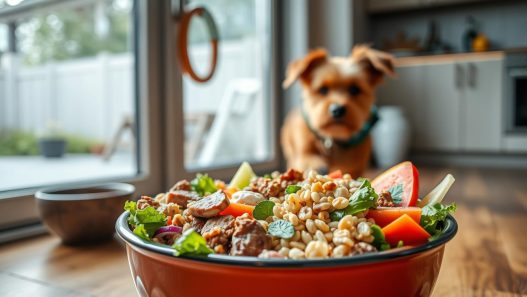



Watching your furry companion turn their nose up at every bowl can be incredibly frustrating. Many pet parents struggle with mealtime resistance, often feeling helpless when their best friend refuses to eat. However, focusing on dog nutrition for picky eaters is a transformative step toward ensuring your pet stays vibrant and healthy.
Understanding why your pet rejects their food is the first step toward a solution. Whether it is a texture preference or a need for more variety, identifying the root cause allows you to adjust your approach effectively. By shifting to wholesome, home-cooked meals, you can tailor ingredients to suit even the most selective palates.
This guide provides a comprehensive roadmap for transitioning your pet to a diet they will actually love. You will learn how to balance essential vitamins while keeping meals exciting and delicious. Prioritizing high-quality ingredients will not only satisfy their hunger but also boost their overall happiness and long-term wellness.
Key Takeaways
- Identify common reasons behind canine food aversion.
- Learn the benefits of transitioning to fresh, home-cooked meals.
- Discover strategies to make mealtime more engaging and rewarding.
- Understand how to balance essential nutrients in homemade recipes.
- Improve your pet’s overall health through better dietary choices.
Main Section 1: Why Homemade Meals?
Preparing meals at home allows you to take full control over what your pet consumes daily. Many owners discover that moving away from processed kibble leads to a happier, more energetic companion. By choosing homemade dog food, you ensure that every bite is packed with wholesome, recognizable ingredients.

Benefits of Homemade Dog Food
The primary advantage of cooking for your pet is the ability to monitor ingredient quality. You eliminate the mystery of fillers, artificial preservatives, and low-grade byproducts often found in commercial bags. Fresh, whole foods provide superior nutrition that supports a shiny coat, healthy skin, and better digestion.
Tailoring to Your Dog’s Preferences
One of the biggest struggles for pet parents is dealing with picky eaters who refuse to touch their food. When you cook at home, you can adjust textures and flavors to match your dog’s specific cravings. If your dog prefers a certain protein or a specific vegetable, you can easily adapt your recipes to ensure they actually enjoy their mealtime.
Cost-Effective Solutions
Many people assume that fresh cooking is expensive, but it can be quite budget-friendly with the right strategy. By utilizing batch cooking, you save time and reduce waste by preparing large portions at once. Sourcing ingredients in bulk or choosing seasonal produce helps keep costs low while maintaining high nutritional standards for your picky eaters. Ultimately, investing in homemade dog food is a sustainable way to provide long-term health benefits for your furry friend.
Main Section 2: Essential Ingredients for Picky Eaters
When your dog turns their nose up at dinner, it is time to rethink the building blocks of their bowl. Selecting the right components is vital when crafting nutritious meals that appeal to even the most selective dogs. By focusing on high-quality, aromatic ingredients, you can create a foundation that encourages your pet to look forward to every mealtime.
Proteins They Love
Protein serves as the cornerstone of any canine diet, providing the essential amino acids needed for muscle maintenance. For picky eaters, the secret often lies in the intensity of the aroma and the texture of the meat. You should prioritize fresh, high-quality sources that offer a strong scent to stimulate their appetite.
Consider rotating between different animal proteins to keep things interesting. Lean options like turkey or white fish are excellent, but many dogs find the richer scent of beef or lamb more enticing. Always ensure the meat is cooked thoroughly to maintain safety while preserving the natural juices that dogs crave.
Flavorful Vegetables
Incorporating healthy ingredients like fiber-rich vegetables adds necessary vitamins and minerals to the diet. Many dogs enjoy the natural sweetness found in certain garden-fresh options. You can lightly steam these vegetables to soften them, which often makes them more palatable for dogs that prefer a softer texture.
- Carrots: Provide a satisfying crunch and a hint of sweetness.
- Green Beans: Excellent for adding volume without excess calories.
- Sweet Potatoes: A great source of energy and digestive fiber.
Nutritious Additions
To ensure your nutritious meals remain balanced, you may need to include specific supplements or healthy fats. A small drizzle of fish oil can provide essential omega-3 fatty acids, which also happens to be a natural flavor enhancer. These healthy ingredients help bridge the gap between a simple bowl of food and a complete, balanced diet.
| Protein Source | Palatability Level | Primary Benefit |
|---|---|---|
| Lean Ground Beef | High | Muscle Support |
| Roasted Chicken | Very High | Easy Digestion |
| White Fish | Medium | Omega-3 Boost |
| Turkey Breast | High | Low-Fat Protein |
By carefully selecting these core elements, you provide the foundation for a healthier lifestyle. Even the most stubborn picky eaters often respond well when you prioritize quality and variety in their daily nutrition.
Main Section 3: Flavor Boosting Techniques
Transforming a bland bowl of kibble into a gourmet feast is easier than you might think. By focusing on flavor boosting, you can turn standard meals into something your pet truly craves. These simple adjustments help entice even the most hesitant eaters by enhancing the sensory profile of their daily nutrition.

Herbs and Spices Safe for Dogs
Many common kitchen herbs are perfectly safe and add a wonderful aromatic appeal to healthy ingredients. Adding a pinch of fresh parsley or basil can make a significant difference in how your dog perceives their meal. Always ensure you are using fresh, organic options to avoid any unwanted pesticides.
Ginger is another excellent choice that aids digestion while providing a unique scent. However, always avoid onions, garlic, and chives, as these are toxic to pets. Stick to these safe, dog-friendly herbs to keep your dog food recipes both tasty and secure.
Broths and Sauces
Homemade broths serve as an excellent topper for various meals. You can easily prepare a nutrient-rich liquid by simmering lean meat with carrots and celery. Remember to strain the solids and ensure the broth is completely cooled before serving it to your furry friend.
These liquids provide essential hydration and a savory punch that encourages picky dogs to finish their bowl. Avoid store-bought versions that contain added salt or preservatives. Using healthy ingredients in your broth ensures your pet gets the best possible nutrition without hidden additives.
Incorporating Natural Enhancers
Beyond herbs and broths, you can use natural enhancers to add texture and taste. A sprinkle of nutritional yeast or a small spoonful of plain pumpkin puree can work wonders for a dog’s appetite. These additions are simple ways to improve the overall quality of your dog food recipes.
| Enhancer Type | Primary Benefit | Best For |
|---|---|---|
| Fresh Parsley | Breath freshening | Dry kibble |
| Bone Broth | Hydration | Hesitant eaters |
| Nutritional Yeast | Savory flavor | Vegetable mixes |
| Ginger Root | Digestive support | Sensitive stomachs |
Main Section 4: Practical Meal Prep Tips
Mastering the art of meal prep is the secret to keeping your pup happy and healthy without spending all day in the kitchen. By organizing your workflow, you can ensure that your pet always has access to fresh, high-quality nutrition. This approach removes the stress from daily feeding and helps you stay consistent with your chosen homemade dog food plan.
Batch Cooking for Convenience
Batch cooking is a game-changer for busy pet owners who want to provide the best nutrition. By preparing large quantities of your favorite dog food recipes at once, you save significant time during the work week. Simply dedicate a few hours on a Sunday to cook, portion, and freeze your meals.
When you cook in bulk, you can easily manage your inventory. Use large pots or slow cookers to handle bigger volumes of ingredients. This method ensures that you always have a healthy meal ready to thaw when your dog gets hungry.
Portion Control and Storage
Proper storage is vital to maintain the nutritional integrity of your homemade dog food. Once you finish cooking, let the food cool completely before packing it into airtight containers. Using glass or BPA-free plastic containers helps prevent spoilage and keeps flavors locked in.
Consider these tips for effective storage:
- Use individual freezer-safe bags for daily portions.
- Label every container with the date to track freshness.
- Keep a three-day supply in the refrigerator and the rest in the freezer.
Portion control is equally important to prevent overfeeding. Use a kitchen scale to weigh out servings based on your dog’s specific caloric needs. This precision ensures your pet maintains a healthy weight while enjoying delicious dog food recipes.
Transitioning Your Dog to Homemade Meals
Switching your dog to a new diet requires patience to avoid digestive upset. A gradual transition allows your dog’s system to adjust to the new ingredients and textures. Start by mixing a small amount of your homemade dog food with their current kibble.
Follow this simple schedule for a smooth change:
- Days 1-3: 25% homemade food and 75% old food.
- Days 4-6: 50% homemade food and 50% old food.
- Days 7-9: 75% homemade food and 25% old food.
- Day 10: 100% homemade food.
Always monitor your dog for any signs of discomfort during this period. If you notice any issues, slow down the process and consult your veterinarian. With careful meal prep and a steady transition, your dog will thrive on their new, wholesome diet.
Conclusion
Your journey toward better health for your pet starts in the kitchen. Mastering dog nutrition for picky eaters takes time, but the results are worth the effort. You now have the tools to create balanced, high-quality food that keeps your companion excited for every bowl.
Consistency remains the most important part of your new routine. Focus on nutritious meals that prioritize fresh proteins and safe vegetables. Use simple flavor boosting techniques to keep your dog interested in their food. Small changes often lead to big improvements in energy and coat health.
Efficient meal prep helps you stay on track during busy weeks. Watch how your dog reacts to different ingredients and adjust your recipes to suit their unique tastes. Share your progress with your veterinarian to ensure your pet thrives. Your dedication makes a lasting difference in their quality of life.